North Korean Ballistic Missile Use in Ukraine Escalates Geopolitical Risks Impacting Markets
Russia’s deployment of North Korean ballistic missiles in Ukraine heightens geopolitical tensions with potential effects on defense stocks and sector rotations.
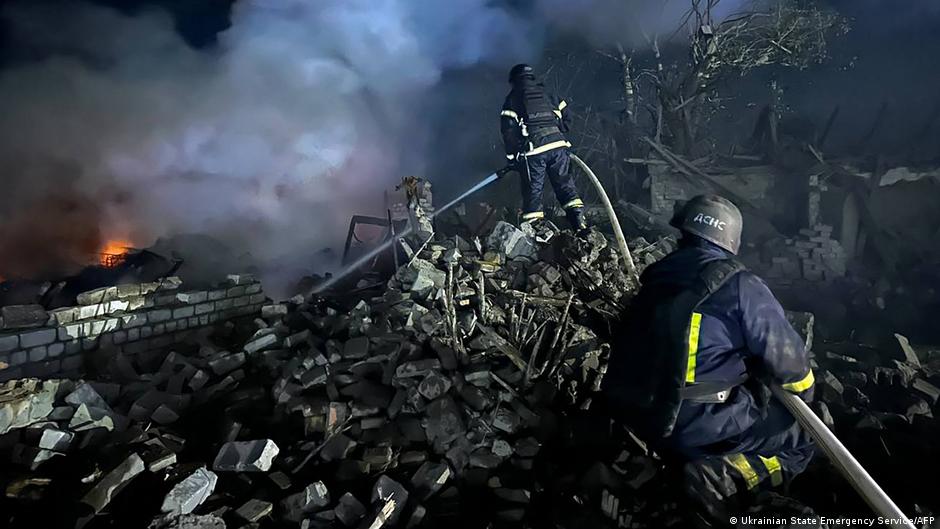
Ukraine’s President Volodymyr Zelensky revealed that Russian forces have recently employed a ballistic missile supplied by North Korea during an attack on a suburb of Kryvyi Rih, marking a significant escalation in the military conflict. The missile strike resulted in the tragic death of a six-member family, including three children, in the village of Radushne in Dnipropetrovsk Oblast.
Geopolitical Escalation and Market Implications
According to Zelensky, the attack involved the use of North Korean ballistic missile technology, a development confirmed pending further expert analysis. This marks the first known deployment of North Korean missiles by Russia in the ongoing conflict, signaling deeper military cooperation between Moscow and Pyongyang. Earlier reports indicated Russia’s interest in recruiting up to 30,000 North Korean soldiers and receiving new missile launcher systems from the regime, reflecting an intensifying partnership. In 2024, the two nations formalized a "comprehensive strategic partnership," raising alarm over regional security risks.
From a financial markets perspective, the introduction of North Korean missile technology into the Ukraine conflict could amplify geopolitical risk premiums, particularly in defense and aerospace sectors. Market participants may anticipate increased demand for advanced missile defense systems and related technologies, potentially benefiting defense contractors and aerospace manufacturers. Additionally, heightened tensions could prompt a rotation out of riskier assets into traditional safe havens such as gold and government bonds.
"Russia’s use of North Korean ballistic missiles introduces a new dynamic that could reshape defense sector valuations and investor risk assessments," says an equity research analyst following geopolitical risks.
Trading volumes in equities sensitive to geopolitical developments, such as defense stocks and energy companies exposed to Eastern European markets, may experience notable shifts as investors react to the evolving conflict landscape. Moreover, the pressure on Western allies to enhance air defense capabilities for Ukraine could accelerate procurement cycles and government defense spending, factors closely monitored by market analysts.
Investors should watch for further developments in the Russia-North Korea alliance and their potential to influence global security policies and market volatility. Enhanced sanctions, arms embargoes, or shifts in military aid could all impact sector performance and trading strategies going forward.