NATO Readiness Boosts Market Volatility Amid Iran Threats to European Military Sites
NATO's commitment to defend alliance members following Iran's threat to strike military targets in Europe heightens geopolitical risks impacting market sectors.
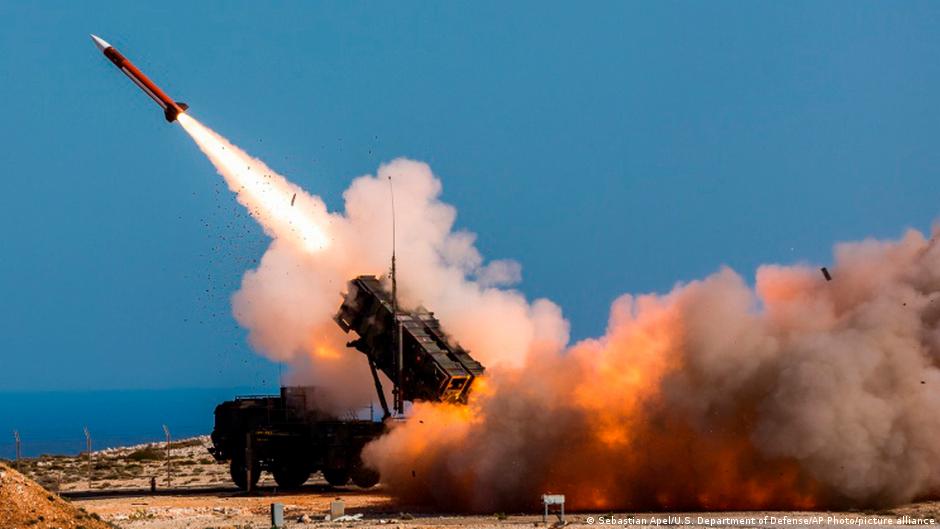
Rising geopolitical tensions have resurfaced as NATO publicly declared its readiness to respond to any threat aimed at its members after reports emerged about Iran’s alleged plans to target military facilities in Europe. The development has sparked increased volatility on Wall Street, with investors recalibrating exposure across defense, energy, and emerging market sectors.
Market Impact of NATO’s Response to Iran Threats
The North Atlantic Treaty Organization reiterated its strong deterrence and defense stance following media reports that Iran is considering strikes on military targets in Bulgaria and Cyprus. These countries host U.S. and British airbases respectively, making them strategically significant in the ongoing regional power dynamics.
“Our deterrence and defense strategy is strong and effective,” a NATO representative emphasized, underscoring the alliance’s resolve to protect its members.
Following this announcement, trading volumes in defense stocks surged, with companies specializing in aerospace and military technology experiencing notable gains. Investors sought safe havens, shifting capital into traditional defense contractors such as Lockheed Martin and Northrop Grumman, whose shares saw elevated buying interest. This sector rotation reflects heightened demand for security-related equities amid geopolitical uncertainties.
Simultaneously, energy markets reacted to the growing instability in the Middle East and surrounding regions. Concerns about potential supply disruptions influenced crude oil prices, indirectly affecting energy sector equities. The heightened uncertainty also prompted a broader risk-off sentiment, influencing equity research outlooks and investor positioning across global markets.
Broader Geopolitical Context and Equity Research Perspectives
Iran’s alleged consideration of missile strikes in Europe comes amid escalating tensions with the United States and its allies. Reports also indicated that Iran contemplated targeting a Ukrainian port in retaliation for attacks on Iranian vessels in the Caspian Sea but reportedly decided against this option. Tehran has not publicly commented on these reports, maintaining a stance of ambiguity.
Additionally, the United Arab Emirates’ recent suspension of all trade and financial transactions with Iran, citing missile attacks targeting UAE shipping lanes, marks an intensification of regional economic and security divides. This move adds further complexity to market sentiment, especially for investors with exposure to Gulf economies.
Equity research analysts highlight that while defense stocks benefit from these developments, broader market risks persist. Sector rotation towards security and energy is likely to continue in the near term, but investors should remain alert to rapid shifts in geopolitical diplomacy that could either escalate or ease tensions.
In summary, the NATO statement and Iran’s alleged threats contribute to a precarious geopolitical environment that is influencing sector-specific trading volumes and equity valuations on Wall Street. Market participants will be closely monitoring developments as the situation unfolds.