NATO Intercepts Russian Bombers Over Baltic Sea Amid Heightened Military Activity
NATO fighter jets intercepted Russian strategic bombers and fighters over the Baltic Sea, highlighting rising geopolitical tensions and potential market impacts on defense stocks.
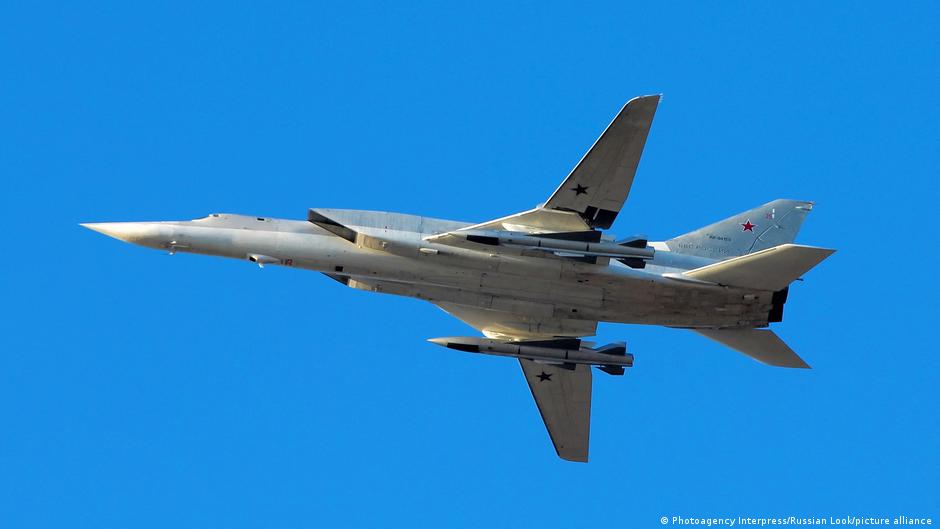
On April 20, NATO aircraft intercepted a group of Russian strategic bombers and fighter jets flying over the Baltic Sea, marking a significant moment in ongoing military maneuvers in the region. The Russian Defense Ministry described the flight as routine, conducted over neutral waters, but the incident underscores increasing geopolitical tensions that may influence market dynamics, particularly in the defense sector.
Details of the Interception and Military Maneuvers
French Rafale fighters, alongside jets from Sweden, Finland, Poland, Denmark, and Romania, intercepted a formation of Russian strategic bombers including the supersonic missile-carrying Tupolev Tu-22M3 bombers and accompanying Su-30 and Su-35 fighters. The French military command confirmed the operation on April 21, a day after the interception.
The Russian formation reportedly included two Tu-22M3 bombers escorted by around ten Su-30 and Su-35 fighters. Journalists observed two Rafale pilots taking off from an airbase in Šiauliai, Lithuania, to engage the Russian aircraft. According to the Russian Defense Ministry, the long-range bombers, accompanied by Su-35 fighters, were airborne for over four hours during the flight, which was conducted in accordance with international regulations over neutral Baltic waters.
"At certain segments of the route, the strategic bombers were accompanied by fighters from foreign states," the French command noted, underscoring the complex nature of these aerial encounters.
Lithuanian defense authorities reported that between April 13 and 19, NATO pilots scrambled four times to intercept Russian aircraft violating flight protocols, including switching off transponders, flying without submitting flight plans, and lacking communication with air traffic controllers.
Market Implications and Sectoral Analysis
The renewed military activity in the Baltic region has drawn investor attention toward defense equities, particularly aerospace and military contractors supplying NATO and allied nations. Stocks of companies involved in fighter jet manufacturing and missile systems could experience increased volatility as geopolitical risks intensify.
Sector rotation may see capital moving from traditionally stable defensive sectors into aerospace and defense firms poised to benefit from heightened military spending. Additionally, trading volumes in defense-related ETFs and equities have shown an uptick, reflecting investor repositioning amid global security concerns.
Equity research analysts highlight that sustained regional tensions could accelerate procurement cycles for advanced military aircraft and strategic bombers, which in turn supports long-term revenue growth for key defense contractors. However, market participants should monitor diplomatic developments closely, as escalations could trigger broader market volatility.