Lufthansa to Cancel 20,000 Flights to Cut Jet Fuel Use Amid Energy Crisis
Lufthansa plans significant flight cancellations through October 2026 to save over 40,000 tons of aviation fuel, impacting European aviation stocks and market sectors.
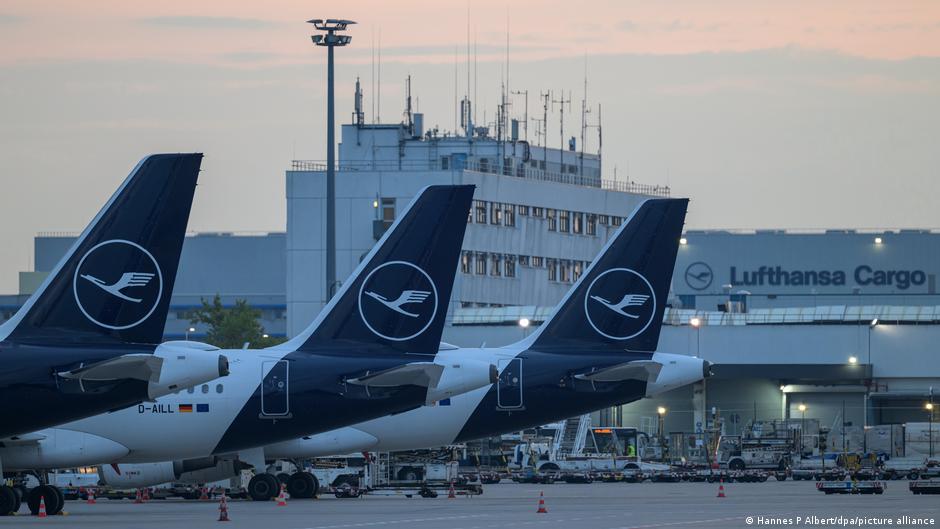
Germany's flagship airline Lufthansa announced plans to cancel 20,000 flights from June to October 2026, aiming to conserve more than 40,000 tons of aviation fuel amid the ongoing energy crisis exacerbated by geopolitical tensions in the Middle East. This move reflects the growing strain on the aviation industry as rising fuel costs and operational challenges ripple through global markets.
Impact on Aviation Sector and Market Dynamics
These extensive cancellations will primarily target unprofitable short-haul routes from Lufthansa's hubs in Frankfurt and Munich, while simultaneously expanding service from Zurich, Vienna, and Brussels. The airline also plans adjustments at its sixth hub in Rome. Despite the scale of cancellations, Lufthansa anticipates its operational efficiency, measured in available seat-kilometers, will decline by less than one percentage point.
"By strategically optimizing our flight network, we expect to reduce fuel consumption significantly without major disruption to our core operations," Lufthansa representatives stated.
Market participants should note the potential sector rotation effects as airlines grapple with fuel price volatility. Stocks of traditional carriers like Lufthansa may experience pressure, while energy companies and alternative travel service providers could see shifts in investor interest. Trading volumes in European airline equities might increase as investors reassess exposure to the cyclical challenges facing the travel sector.
Fleet Reductions and Broader Industry Repercussions
In addition to flight cancellations, Lufthansa announced accelerated retirement of 27 aging Canadair CRJ aircraft operated by its loss-making subsidiary CityLine due to rising kerosene costs and labor disputes. The airline will also phase out four Airbus A340-600 and two Boeing 747-400 long-haul aircraft by October, signaling a strategic downsizing of less fuel-efficient assets.
These operational cutbacks coincide with plans to reduce available seat-kilometers for the main Lufthansa brand during the upcoming winter season, underscoring the airline's commitment to cost containment amid persistent energy price shocks.
The ripple effects extend beyond Lufthansa. Scandinavian Airlines (SAS) announced the cancellation of approximately 1,000 flights in April, while Air France-KLM introduced a €100 fuel surcharge on certain long-haul tickets. Moldovan carrier FlyOne also cited fuel-related issues as grounds for flight cancellations. Such actions highlight broader sector-wide adjustments in response to energy market instability.
Investors and equity analysts will monitor upcoming policy responses, including an expected European Commission plan addressing the energy crisis, anticipated around April 22. These developments may influence market sentiment and sector outlooks across transportation and energy industries.
Overall, Lufthansa's strategic reductions signal the ongoing challenge for airlines balancing operational capacity with volatile fuel costs and geopolitical uncertainty, with potential implications for related equity markets and sector allocation decisions.