Uzbekistan Accelerates Asakabank Privatization Amid State Bank Restructuring
The Uzbek government expedites Asakabank’s privatization with asset transfers and capital injections while extending deadlines for other state banks.
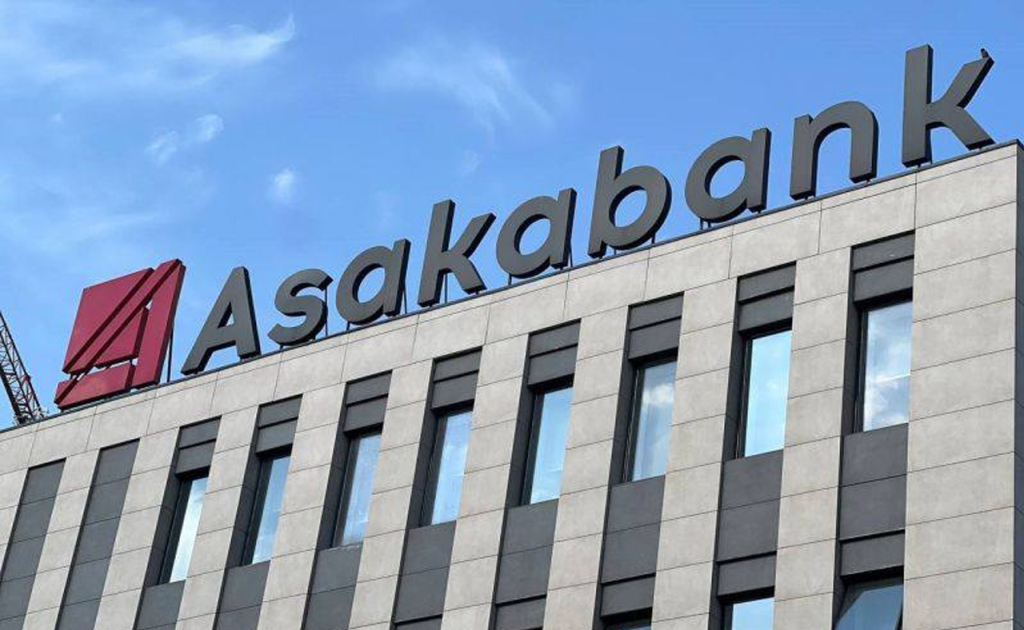
On April 20, 2026, Uzbekistan’s President signed decree PQ-149 accelerating the privatization of Asakabank, the country’s second-largest bank. The measures aim to halt non-core banking activities and streamline operations ahead of a planned sale of the state’s shares by the end of 2025.
Government Steps to Restructure Asakabank
The decree mandates that all banking operations comply strictly with market principles, modern banking practices, and risk management protocols according to the bank’s internal policies. Any activities unrelated to core banking functions are to be discontinued to prepare the institution for privatization.
Significant state assets currently held by Asakabank will be transferred to the State Asset Management Agency. This includes property formerly owned by the Tashkent Agricultural Machinery Plant and a portfolio of investment projects valued at approximately 382.6 billion Uzbek soms. Among these are stakes in companies such as Green Energy, Uz CLAAS Agro, and Khorezm Invest Project. These assets will be transferred with the condition that proceeds from their eventual privatization will compensate the bank.
Moreover, pharmaceutical startups valued at around 780 billion soms, such as Asaka Farm Ventures and Asaka Farm Invest, will be moved under the National Venture Fund of Uzbekistan (UzVC), where they will be supported through the state budget.
“The government is committing $95 million in capital injections in 2026 to financially rehabilitate Asakabank and cover potential losses from non-performing loans using state resources,” the decree states.
Dividend payments are suspended for 2024–2025, with net profits to be reinvested to strengthen the bank’s balance sheet. An adjustment of the bank’s nominal share price to market value will also convert nearly 1.98 trillion soms of state claims into equity capital, reinforcing the bank’s capital base.
Broader Implications for Uzbekistan’s Banking Sector
In a related development last December, the President extended privatization deadlines for several state banks, including Asakabank, O‘zsanoatqurilishbank (SQB), and Aloqabank, pushing sales to 2025. Previously, full privatization of SQB’s state shares was planned by the end of 2022 and later extended to the end of 2023, with partial reduction targets set for 2024. These deadlines have been further delayed amid fiscal strategy announcements postponing sales until 2025–2027.
Notably, the European Bank for Reconstruction and Development (EBRD) signed an agreement with Uzbekistan’s government in May 2024 to support Asakabank’s privatization process. EBRD has acquired a 15% stake in Asakabank as part of this preparation and plans to become a shareholder in 2026.
At the same time, the government has decided to maintain state ownership in certain banks, including the National Bank, Agrobank, Xalq Bank, Microcreditbank, and the Business Development Bank, at least until 2030. One of these may be privatized before that year, although details remain undisclosed.
The restructuring and privatization of Asakabank and other state banks are expected to influence investor sentiment on Uzbekistan’s financial sector and could spur sector rotation among regional equities. Market participants will be watching trading volumes closely as the privatization timelines and capital injections reshape bank valuation and ownership structures.