France and Poland Collaborate on Military Satellite Project, Challenging Starlink's Market Position
Joint satellite initiative aims to provide Poland with secure military communications, impacting defense tech and aerospace sectors.
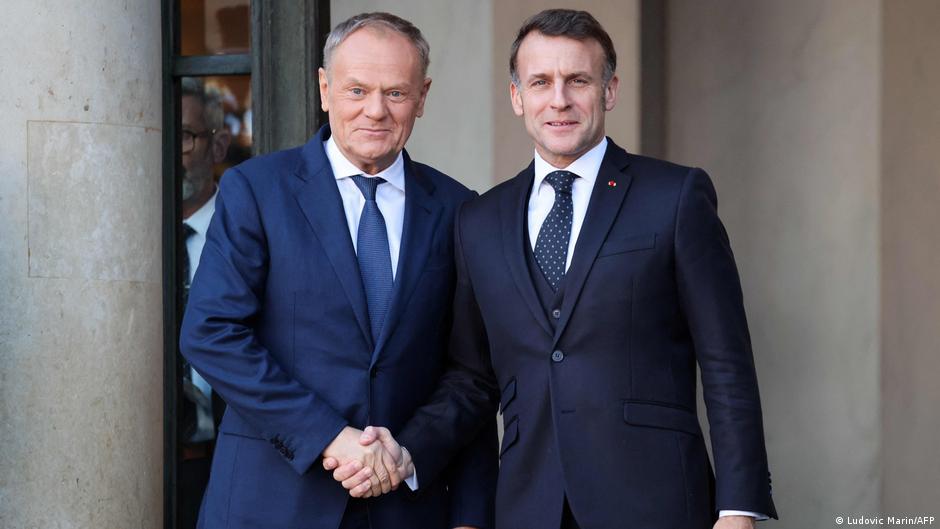
In a significant development for the defense and aerospace industries, France and Poland have announced a joint venture to build a military satellite dedicated to secure communication for the Polish armed forces. The announcement was made during a meeting in Gdańsk between French President Emmanuel Macron and Polish Prime Minister Donald Tusk on April 20.
Strategic Shift in Military Satellite Communications
The collaboration involves leading European aerospace and defense contractors Thales Alenia Space, Airbus Defence and Space, and Polish company RADMOR. The satellite will serve as an alternative to existing systems such as SpaceX’s Starlink, which currently dominates the market for military satellite communication services.
"This joint project is part of the European Commission’s defense plan aimed at achieving self-sufficient military capabilities by 2030," a statement from Thales Alenia Space noted.
The move reflects Europe’s broader strategic objective to reduce reliance on non-European satellite systems, especially those controlled by private entities whose policies and ownership may introduce geopolitical risks. Starlink, owned by Elon Musk’s SpaceX, has become a critical communications backbone in various military applications but also raises concerns about political predictability and control.
Implications for Wall Street and Market Sectors
From a market perspective, the France-Poland satellite project signals potential shifts in sector allocations and trading volumes within the aerospace, defense, and technology industries. Companies involved in European defense infrastructure are likely to see increased investor interest as the EU ramps up its defense spending under initiatives like the Security Action for Europe (SAFE) fund.
Airbus Defence and Space and Thales Alenia Space, both publicly traded entities in Europe, could experience a positive reassessment in their equity valuations as their defense portfolios expand. Meanwhile, SpaceX’s valuation, although private, may face market scrutiny over the long-term risks posed by growing European competition.
Analysts suggest that this development may accelerate sector rotation toward European defense contractors while increasing trading volumes in aerospace equities, reflecting heightened investor appetite for companies contributing to European strategic autonomy.
Expanded Defense Collaboration Beyond Satellites
Beyond satellite communications, Macron and Tusk discussed broader defense cooperation, including nuclear deterrence, energy security, missile defense systems, long-range weaponry, and early warning systems for missile attacks. These discussions align with the EU’s agenda to bolster collective defense capabilities in response to evolving geopolitical challenges.
Investors and equity researchers are advised to monitor these developments closely as they could foster increased government contracts and public-private partnerships within the defense sector, driving growth prospects for involved firms.
In summary, the France-Poland military satellite project represents a strategic pivot to bolster European autonomy in defense technology, with direct implications for market dynamics in aerospace and defense stocks.