EU May Withhold €1.5 Billion in Funding from Serbia Amid Democratic Backsliding Concerns
European Commission warns Serbia’s reform support payments are at risk due to governance and judicial independence issues.
The European Union is considering withholding approximately €1.5 billion in financial aid to Serbia due to growing concerns over democratic backsliding and weakening of institutional independence. This development could have significant repercussions for markets closely tracking Southeast European economic reforms and EU integration progress.
Risk to Serbian Reform Funding Amid Political and Judicial Concerns
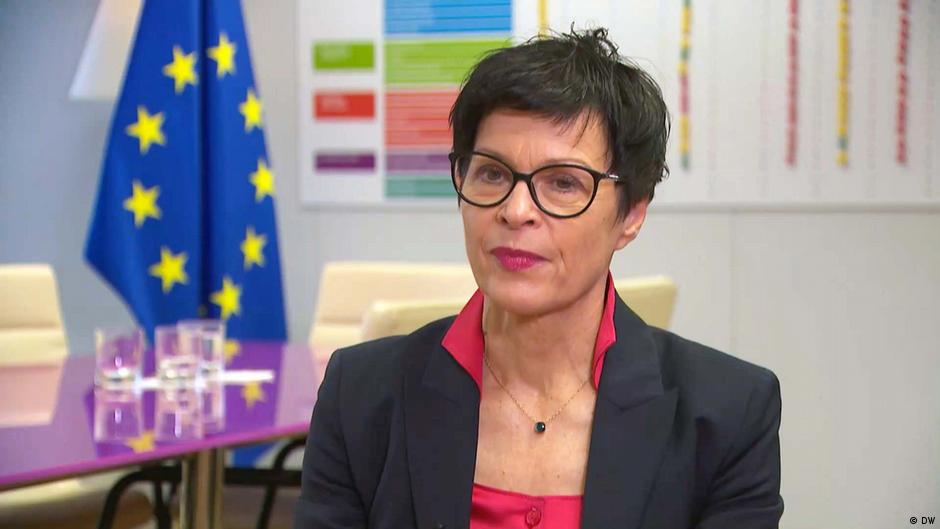
Marta Kos, the EU Commissioner for Enlargement, informed members of the European Parliament that Serbia’s eligibility for substantial reform support payments is at stake. The funding, which totals around €1.5 billion, hinges on Serbia meeting benchmarks related to democratic governance, judicial independence, and media freedom.
Commissioner Kos highlighted several troubling anti-democratic trends observed during recent municipal elections in March, including reported electoral irregularities and legislative actions undermining judicial autonomy. The suppression of protests and systematic interference with independent media outlets further exacerbate the Commission’s concerns.
"We are increasingly worried about the developments in Serbia," Kos stated, emphasizing the EU’s ongoing evaluation of Serbia’s compliance with criteria for reform support.
Although Serbia has already received roughly €100 million in aid, the bulk of the payments remain conditional and are currently suspended pending the Commission's forthcoming assessment, expected within weeks.
The European Commission has urged Belgrade to align its judicial reforms with recommendations from the Venice Commission—Europe’s advisory body on constitutional law—and to restore media independence. Failure to comply could result in continued suspension of funds, potentially impacting Serbia’s economic reform trajectory and investor confidence.
Market and Sector Implications
The potential suspension of EU financial support comes at a time when Southeast Europe’s equity markets and sovereign debt instruments are sensitive to political risk and governance factors. Investors focusing on regional infrastructure, financial services, and public sector modernization may recalibrate exposure due to increased uncertainty around Serbia’s reform path.
Equity research analysts note that a delay or reduction in EU funds could slow down critical projects financed through EU structural and investment funds, affecting construction, energy, and telecommunications sectors. Additionally, the setback in judicial reforms may raise concerns over the rule of law, impacting foreign direct investment flows.
Market volumes could see volatility as traders react to political developments, particularly in equities of companies with substantial government contracts or EU-funded operations. Sector rotation towards neighboring countries with more stable integration prospects may also occur if Serbia’s trajectory remains uncertain.
Geopolitical Context and Strategic Considerations
Serbia’s delicate geopolitical position complicates its EU accession ambitions. While President Aleksandar Vučić publicly endorses European integration, Serbia maintains strong ties with Russia, including participation in Moscow’s Victory Day celebrations in 2023 despite EU warnings. Notably, Serbia has refrained from imposing sanctions on Russia following the invasion of Ukraine, raising additional concerns among EU officials about potential Kremlin influence undermining regional stability.
The EU has intensified integration efforts with Serbia and other Western Balkan countries since Russia’s full-scale invasion of Ukraine, aiming to counteract destabilizing external influences. The Commission’s funding withholding serves as leverage to enforce compliance with democratic standards and align Serbia more closely with EU values.
Traders and investors are advised to monitor upcoming EU Commission reports closely, as their findings will likely influence Serbia’s funding outlook, risk assessments, and market sentiment regarding the region.