Italy’s Meloni Criticizes Russian Propaganda Amid Solovyov's Insults, Market Impact Monitored
Italian PM Meloni responds to Vladimir Solovyov’s derogatory remarks amid diplomatic tensions, influencing sector-specific market dynamics.
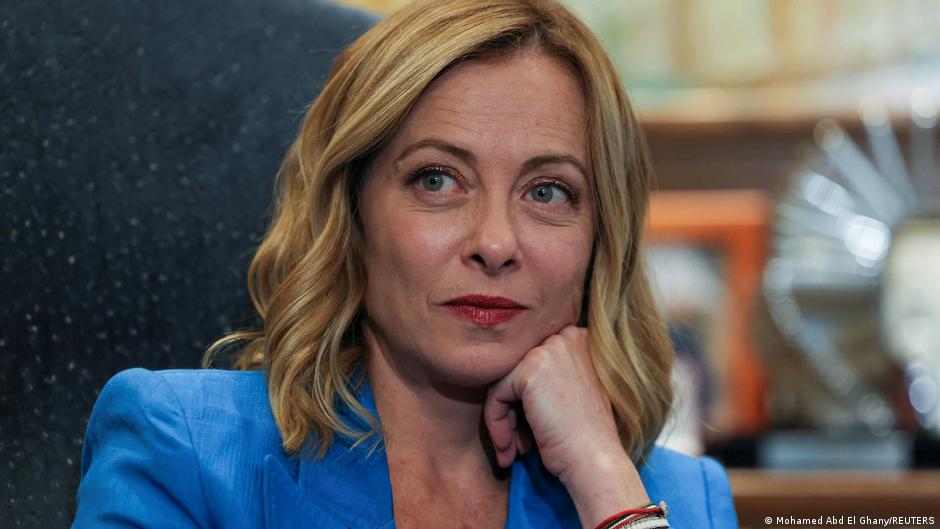
Italian Prime Minister Giorgia Meloni publicly condemned what she described as "diligent regime propagandists" following provocative insults directed at her by Russian TV host Vladimir Solovyov. The incident has garnered significant attention within Italy, with political figures expressing solidarity with Meloni, while financial markets observe potential impacts on specific sectors and stocks tied to geopolitical developments.
Diplomatic Fallout and Political Support
Late on April 21, Meloni took to social media to assert her independence from foreign influence, stating, "Unlike others, we depend on no one, have no masters, and take no orders. We have only one guide: Italy’s interests. We will proudly follow it despite protests from propagandists worldwide." Her post came shortly after the Italian Ministry of Foreign Affairs summoned the Russian ambassador, Alexey Paramonov, to officially protest Solovyov’s remarks.
"Diligent regime propagandists cannot teach us about consistency or freedom," Meloni wrote, emphasizing Italy’s sovereign stance.
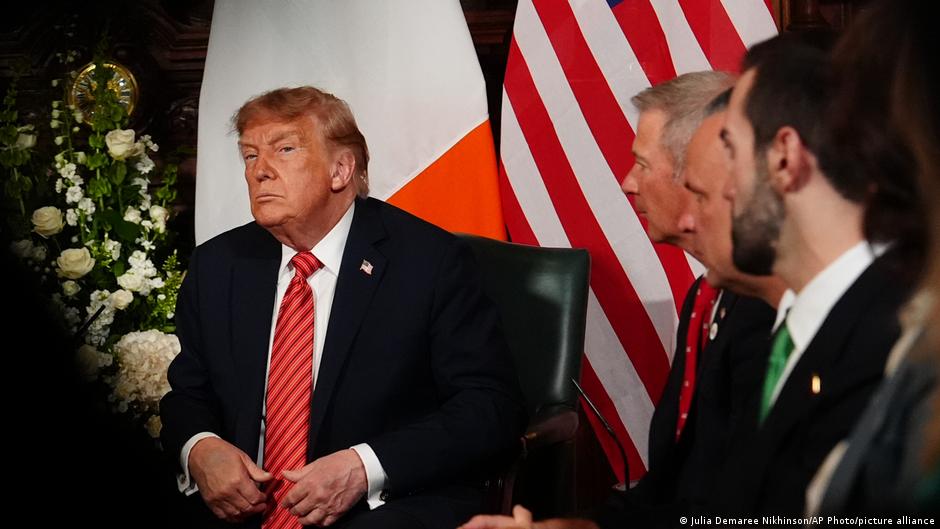
Solovyov’s comments, broadcast in both Italian and Russian, included calling Meloni a "fascist creature who betrayed her voters" and "a disgrace to humanity." He further accused her of betraying former U.S. President Donald Trump, to whom she had previously pledged loyalty. These statements received wide coverage in Italian media outlets such as La Repubblica, Domani, Sky Italia, and the ANSA news agency.
The political response was swift and united: Italian Foreign Minister Antonio Tajani described the statements as "extremely serious and offensive." President Sergio Mattarella labeled the remarks "vulgar," while former Prime Minister Giuseppe Conte condemned them as "unspeakable." Parliamentary figures including Barbara Floridia and Mariastella Gelmini denounced the comments as unacceptable, with Democratic Party leader Elly Schlein also voicing support for Meloni.
Market Implications and Sectoral Responses
In financial markets, such diplomatic tensions often trigger sector rotation and volatility, particularly impacting defense, energy, and European equity sectors with geopolitical exposure. Following the incident, investors monitored trading volumes in Italian equities, especially those with direct or indirect exposure to Russian markets or energy dependencies.
Equity research teams highlighted potential risks for European exporters due to strained Italy-Russia relations, while defense stocks saw increased interest amid geopolitical uncertainty. The confrontation reinforced Italy’s positioning within broader Western alliances, possibly affecting sectors tied to sanctions and supply chain realignments.
Trading desks reported elevated activity in certain Italian blue-chip stocks, reflecting investor repositioning in response to the evolving political landscape. Sector rotation into technology and renewable energy segments was also noted, as market participants seek to mitigate risks associated with traditional energy volatility linked to geopolitical disputes.
Outlook
As diplomatic exchanges continue, market watchers remain attentive to any escalation that may affect investor sentiment and cross-border capital flows. Meloni’s stance signals a firm commitment to national interests and autonomous policy-making, factors that could influence Italy’s economic relations and stock market dynamics going forward.