Moscow Drone Attacks Lead to Increased Market Volatility and Sector Rotation on Wall Street
Over 180 drones shot down near Moscow amid attack on key infrastructure, impacting energy and logistics stocks globally.
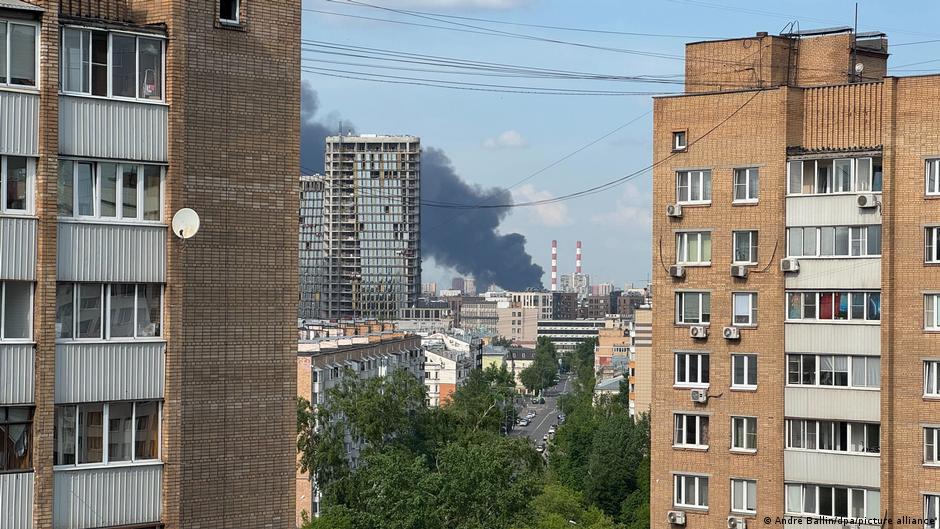
In the early hours of August 18, Moscow authorities reported the interception of more than 180 unmanned aerial vehicles (UAVs) targeting the Moscow region overnight. A total of 620 drones reportedly approached the area, with many believed to have aimed at critical infrastructure including a major oil refinery.
The ongoing drone attacks and the resulting damage to facilities near Moscow have sent ripples through global equity markets, notably influencing energy, logistics, and defense sectors on Wall Street.
Impact on Specific Stocks and Sector Rotation
The targeted Moscow Refinery, located near the residential complex "Duna" in Kotelniki, sits approximately five kilometers east of the refinery, which has faced multiple drone attacks recently. This persistent targeting has raised concerns over supply chain disruptions and energy security, factors that directly impact shares in international oil companies and related industrial firms.
Following the reports, energy stocks experienced increased volatility as investors reassessed risk exposure to Russian oil supply uncertainties. Oil refining and transportation stocks showed a notable uptick in trading volumes as markets digested the potential consequences for fuel production and distribution.
Additionally, logistics and retail companies with operations in the Moscow region, including warehouse facilities like the Wildberries distribution center, were affected. Damage from drone debris leading to fires and injuries has intensified fears about operational continuity in sensitive supply chains, causing a rotation from retail equities to more defensive sectors such as defense contractors and cybersecurity firms.
"The scale and targeted nature of the drone assault underscore evolving security threats to critical infrastructure, prompting a reallocation of capital towards defense and energy resilience plays," noted an equity research analyst.
On the trading floor, volumes in defense stocks surged as investors sought exposure to companies providing aerial defense and counter-drone technologies. Meanwhile, airlines operating in and out of Moscow's key airports faced operational constraints due to temporary airspace restrictions, putting additional pressure on aviation equities globally.
The Russian authorities imposed temporary flight limitations at Moscow’s Vnukovo, Domodedovo, Zhukovsky, and partially Sheremetyevo airports, impacting international and domestic travel routes. This disruption contributed to a cautious tone in travel-related stocks, with investors closely monitoring further developments.
Overall, the drone attacks near Moscow have catalyzed a noticeable sector rotation on Wall Street, characterized by a shift from vulnerable infrastructure and travel stocks to defense and energy sectors. Traders are actively adjusting portfolios in response to the geopolitical risks posed by the escalating conflict and infrastructure vulnerabilities.
Market analysts emphasize that continued drone activity poses significant challenges to supply chain resilience and energy security, likely influencing medium-term equity performance in sectors tied to global commodities and security.