Mideast Peace Talks and Gaza Conflict Influence Wall Street Sector Rotation and Trading Activity
Jared Kushner's meeting with Hamas leaders in Egypt and escalating Gaza tensions impact specific stocks and trading volumes on Wall Street.
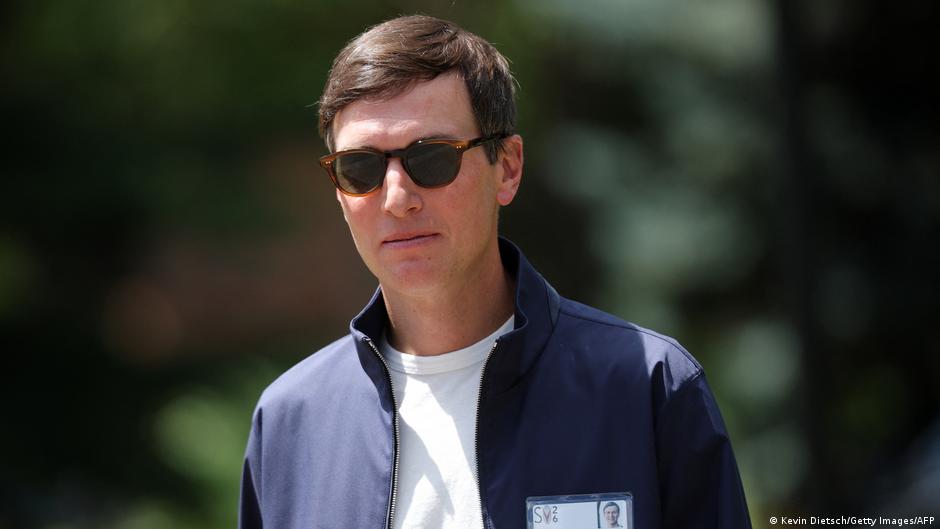
Wall Street markets are closely monitoring recent geopolitical developments in the Middle East following Jared Kushner's high-profile meeting with Hamas representatives in Egypt and ongoing hostilities in Gaza. These events have triggered notable sector rotation, shifts in trading volumes, and recalibrations in equity research among key stocks.
Impact of Middle East Conflict on Market Sectors and Stocks
Jared Kushner, the US presidential envoy and former senior advisor, met with Hamas leadership to push for concrete disarmament steps as part of a broader peace plan for the Gaza Strip. While the discussion was described as "very productive," the underlying regional instability continues to weigh on investor sentiment, particularly in defense, energy, and regional infrastructure sectors.
"Investors remain cautious amid uncertainty over the peace process and potential escalation in Gaza, affecting risk appetite across equities," noted an equity analyst.
The ongoing conflict, sparked by Hamas' October 2023 attack on Israel and subsequent Israeli military response, has intensified volatility. Defense stocks have seen intermittent gains due to expectations of increased government defense spending, while energy companies face risks due to potential supply disruptions from the region. Financials and regional real estate sectors have experienced muted activity amid geopolitical concerns.
Trading volumes on Wall Street have spiked in certain sectors, reflecting both risk-off and risk-on investor strategies. Hedge funds and institutional traders appear to be rotating out of Middle Eastern-exposed assets into safer havens or sectors perceived as defensive.
Kushner's follow-up visit to Israel to meet Prime Minister Benjamin Netanyahu is anticipated to provide further clarity on Israel's policy stance, which directly influences market dynamics. Netanyahu's firm rejection of the US-backed peace framework unless Hamas is fully disarmed underscores the fragile nature of the ceasefire prospects and regional security, factors that Wall Street equity research teams are incorporating into their forward-looking models.
The joint condemnation by multiple Middle Eastern foreign ministers of Israel's rejection of the peace plan adds complexity to the geopolitical landscape. This multilateral disapproval risks prolonging the conflict and maintaining elevated risk premiums on equities linked to the region.
Overall, investors are advised to monitor developments from Kushner's diplomatic engagements alongside military actions, as these will have immediate implications for sector allocations and stock valuations.