Market Impact of Ukrainian Soldier Desertions in Germany on Defense Stocks and Sector Rotation
Reports of hundreds of Ukrainian soldiers deserting training courses in Germany since 2022 raise concerns affecting defense equities and sector trading activity.
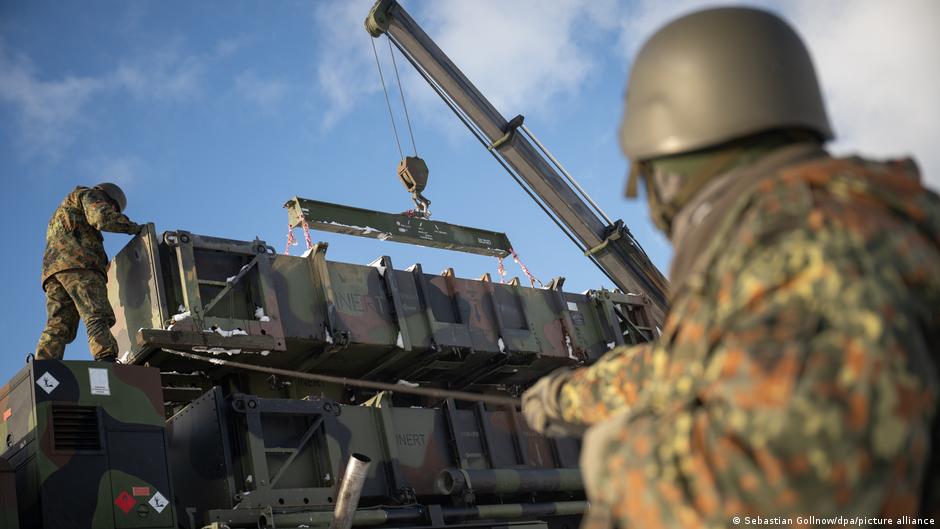
Since 2022, several hundred Ukrainian soldiers assigned to military training courses in Germany have deserted, with more than 80 cases recorded specifically in the federal state of Saxony-Anhalt. This development has drawn attention not only to geopolitical and military dynamics but also to potential impacts on defense sector equities and broader market trends.
Implications for Defense Industry Stocks and Market Sentiment
The desertion reports stem from Ukrainian soldiers who arrived in Germany under programs designed to enhance combat readiness amid ongoing conflict with Russia. Many of these soldiers were reportedly conscripted into the Armed Forces of Ukraine (AFU) and dispatched to training grounds such as the Altengrabow military range in Saxony-Anhalt. However, increasing numbers of trainees without prior combat experience or motivation have reportedly chosen to abandon their courses.
"The shift from highly motivated, experienced soldiers to less committed personnel may influence defense contract flows and investor confidence."
From a Wall Street perspective, these developments could influence trading volumes and valuations across defense sector stocks, particularly those engaged in supplying training equipment, weapons systems, and military support services. Investors may reassess risk exposure to companies reliant on Ukrainian defense contracts or European military aid programs.
Moreover, the growing uncertainty surrounding troop readiness could accelerate sector rotation patterns as market participants seek to hedge geopolitical risk. This may lead to increased interest in alternative sectors perceived as safer or less directly impacted by Eastern European military dynamics.
Equity research analysts are likely to incorporate these factors into their forward-looking models. Forecast revisions could affect price targets for firms involved in defense manufacturing, logistics, and technology. Additionally, volatility in related exchange-traded funds (ETFs) could increase amid shifting investor sentiment.
Overall, while the direct operational impact of Ukrainian soldier desertions is primarily a military and humanitarian concern, the indirect effects on Wall Street trading activity and sector allocation decisions are notable. Market participants should monitor further developments closely, considering both macro-geopolitical risks and microeconomic fundamentals.
The desertions also highlight legal and social challenges. Ukrainian law classifies unauthorized abandonment of military duty as desertion, with penalties of up to 12 years imprisonment. Unlike civilian refugees, these soldiers do not benefit from temporary protection policies in Germany, adding complexity to their status.
Since the full-scale Russian invasion commenced in February 2022, approximately 29,000 Ukrainian soldiers have undergone training in Germany. The initial cohorts mainly comprised highly motivated and battle-experienced individuals, contrasting with more recent groups where reluctance and lack of preparedness appear more common.