London's Diplomatic Dispute with Russia Raises Market Concerns Over UK-Russia Relations
The UK’s expulsion of a Russian diplomat and Moscow’s retaliatory actions contribute to geopolitical tensions impacting investor sentiment.
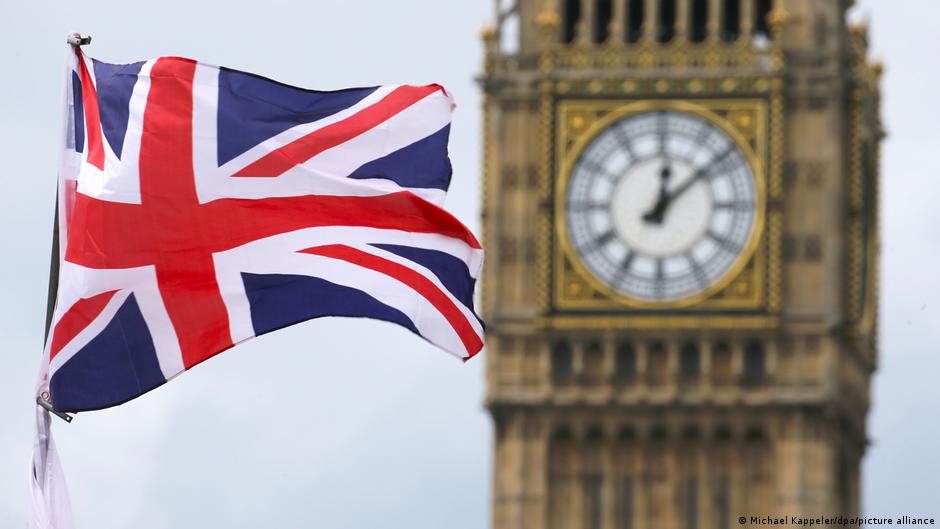
Recent diplomatic tensions between the United Kingdom and Russia have escalated with London's decision to revoke the accreditation of a Russian diplomat. This move follows Moscow’s expulsion of a British embassy official accused of espionage, intensifying geopolitical frictions that could influence market dynamics, particularly in sectors sensitive to international affairs.
Diplomatic Retaliation and Market Implications
The UK Foreign Office summoned Russia’s ambassador, Andrey Kelin, to formally announce the withdrawal of accreditation from a Russian diplomat in London. This action responds directly to Russia’s decision last month to expel Albertus Gerardus Jansen Van Rensburg, second secretary at the British Embassy in Moscow, whom Russian authorities accused of intelligence activities threatening national security.
“We condemn Russia’s unfounded expulsion of a British diplomat and will not tolerate intimidation of our diplomatic staff,” a UK government spokesperson stated, underscoring reciprocal measures.
These tit-for-tat measures reflect broader geopolitical strains. The UK government views Russia’s actions as part of an aggressive campaign undermining diplomatic relations. London has warned that further Russian provocations will be met with proportionate responses, signaling a potential escalation.
Sector Rotation and Trading Volumes Amid Uncertainty
While diplomatic disputes may appear removed from market mechanics, such tensions often trigger risk-off sentiment among investors. Heightened geopolitical uncertainty tends to depress equities in sectors reliant on international cooperation or sensitive to sanctions and trade disruptions, such as energy, defense, and financial services.
Analysts note increased volatility and moderate declines in British equities amid the diplomatic row. Market participants are closely monitoring developments, adjusting portfolios by rotating out of politically vulnerable sectors into safer assets like utilities or consumer staples. Trading volumes have seen sporadic surges, reflecting rapid repositioning as news breaks.
Equity Research Perspectives
Equity research teams emphasize the importance of tracking geopolitical developments for investment risk assessment. "Diplomatic expulsions and accusations invariably introduce uncertainty that can affect investor confidence and sector performance," noted a senior equity analyst. "Investors should consider the potential impact on companies with exposure to Russia or the UK, as sanctions and diplomatic fallout could disrupt operations or supply chains."
Market watchers recommend vigilance on news flow regarding UK-Russia relations, as further escalations may prompt broader sanctions or retaliatory measures, intensifying market pressures.
Overall, the diplomatic dispute between London and Moscow illustrates how geopolitical events can ripple into financial markets, influencing trading behavior, sector allocation, and investor sentiment.