Latvian List of Companies Trading with Russia Signals Sector Shifts and Market Impacts
Latvia’s disclosure of firms continuing business with Russia and Belarus amid war influences trading dynamics and investor sentiment.
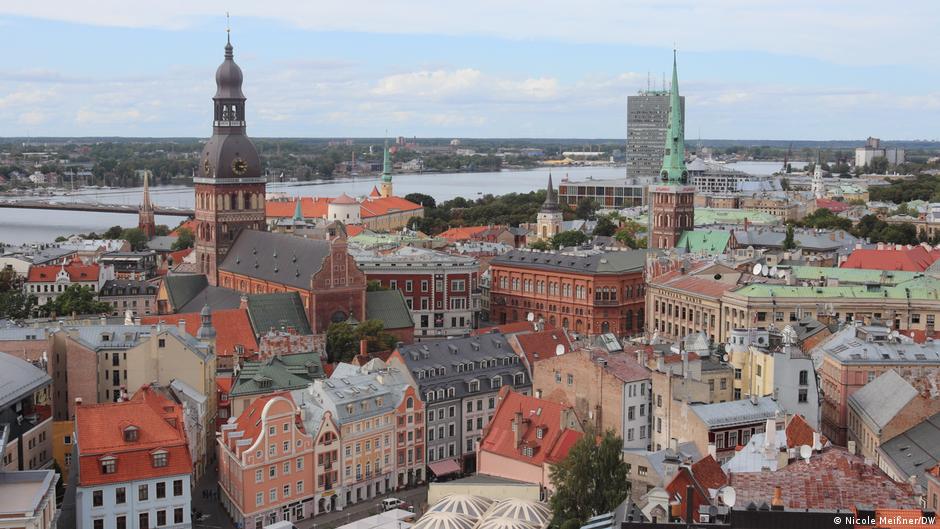
Latvian authorities have published a list of approximately 170 local companies that continue to conduct business with Russia and Belarus despite the ongoing war in Ukraine. This unprecedented disclosure sheds light on cross-border trade activities that are influencing sector rotations and stock market dynamics in the region.
Public Disclosure and Market Reactions
On August 20, Latvia's Central Statistical Bureau released a registry identifying firms engaged in exporting goods to, or importing from, Russia and Belarus. While these companies operate within the bounds of international sanctions—primarily trading in non-restricted categories such as food products and pharmaceuticals—the public nature of the list has already triggered debates regarding reputational risks and market consequences.
"Consumers, partners, and other companies can now independently decide whether to continue cooperation with the listed firms," a Latvian government statement noted.
Market observers note that this transparency move may catalyze a sector rotation as investors reassess exposure to companies linked to contentious trade relationships. Stocks of firms identified in the list could experience increased volatility driven by shifting investor sentiment and potential changes in business partnerships.
Impact on Equity Trading and Sector Dynamics
Given Latvia’s strategic position as a close ally to Kyiv and its implementation of import restrictions on Russian and Belarusian goods, this disclosure emphasizes the broader economic and geopolitical factors shaping equity markets in the Baltics.
Trading volumes are likely to respond to the emerging reputational concerns. Equity research analysts suggest that companies maintaining trade ties with Russia and Belarus might face pressures to diversify markets or adjust supply chains to mitigate risks.
Furthermore, this development could accelerate sector rotation toward industries less exposed to Russian and Belarusian markets, particularly technology and renewable energy sectors favored in European economic recovery plans.
Outlook and Continuing Developments
The Latvian registry will be updated monthly, providing ongoing visibility into corporate engagement with Russia and Belarus. This sustained transparency could influence cross-border trade flows and investor strategies, reinforcing the importance of geopolitical risk assessment in portfolio management.
Overall, the publication of this list represents a strategic move by Latvia to enhance accountability while signaling to markets the evolving trade landscape amid the war in Ukraine. Investors and analysts will be closely watching the ripple effects on equity valuations and sector performance in the coming quarters.