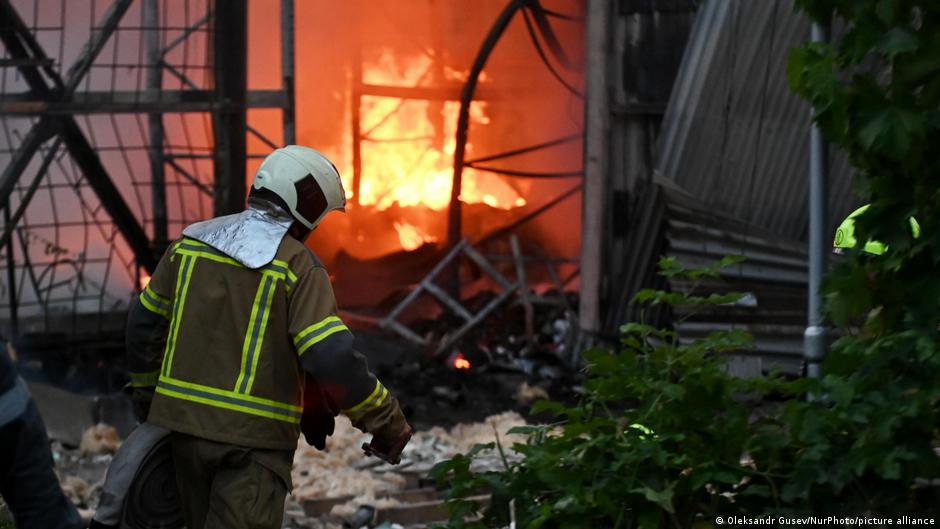
June Sees Highest Civilian Casualties in Ukraine Since Invasion, Impacting Market Sentiment
Rising civilian losses amid ongoing conflict in Ukraine influence sector rotation and investor focus on defense stocks.

June 2026 marked the deadliest month for civilian casualties in Ukraine since the full-scale Russian invasion began, according to recent United Nations data presented on July 9. This escalation of violence has persisted for three consecutive months, contributing to increased volatility and sector rotation in global financial markets.
Market Implications of Rising Conflict Intensity
The growing number of civilian casualties—at least 265 deaths and 1,816 injuries reported in June alone—has heightened geopolitical risk perceptions among investors. This has catalyzed a shift in portfolio allocations, with increased interest and trading volumes in defense and security-related equities, while sectors perceived as vulnerable to conflict disruptions saw reduced inflows.
"The continuation of high civilian casualties demonstrates a clear pattern of escalating attacks, underscoring the urgent need for an immediate ceasefire," stated UN Deputy Secretary-General Rosemary DiCarlo.
Since the start of the conflict, over 16,400 civilians have lost their lives in Ukraine, with thousands more wounded. This persistent violence has added a layer of uncertainty to the Ukrainian economy and neighboring markets, influencing investor risk appetite globally.
Wall Street equity research teams have noted that defense contractors and cybersecurity firms have experienced notable upticks in trading volumes, reflecting heightened demand for products and services related to national security. Conversely, industries such as travel, tourism, and consumer discretionary have seen cautious positioning due to concerns about regional stability.
Sector rotation toward defense and energy stocks has become a prominent theme, as market participants anticipate prolonged conflict dynamics driving government spending in these areas. Analysts also highlight potential supply chain disruptions stemming from the conflict, which may affect commodities and manufacturing sectors.
Trading desks report that while May recorded slightly higher civilian casualties, June's data remains preliminary and likely underestimates the true impact, with July’s early figures already indicating continued significant losses. This evolving situation is expected to keep geopolitical risk premiums elevated, influencing equity valuations and trading strategies.
In response to mounting casualties and geopolitical tensions, calls for an immediate and unconditional ceasefire have intensified among international bodies. Such developments are closely monitored by market strategists for their potential to reduce risk and restore market confidence.