Jay Clayton Confirmed as U.S. National Intelligence Director Amid Market Uncertainty
Jay Clayton’s appointment as National Intelligence Director raises questions about sector confidence and potential market impacts.
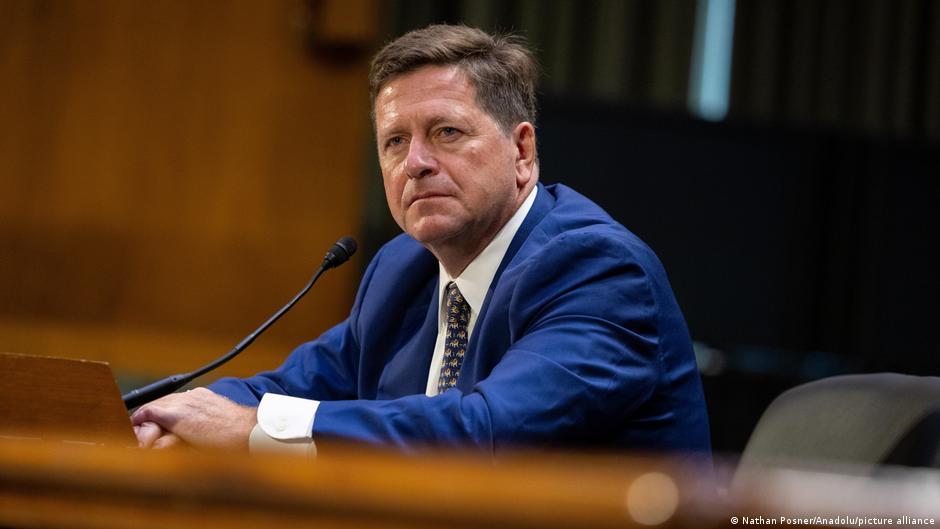
The U.S. Senate confirmed Jay Clayton, former Southern District of New York prosecutor, as the new Director of National Intelligence (DNI) in a closely contested vote, with 51 senators in favor and 47 opposed. All Democrats voted against the nomination, citing concerns over Clayton’s background and political stances.
Clayton’s confirmation comes at a pivotal time for the U.S. intelligence community and carries implications for market sectors sensitive to national security and regulatory oversight. The vote on July 28 highlighted partisan tensions, as Democrats questioned Clayton on the legitimacy of the 2020 presidential election results, to which he responded cautiously that President Joe Biden was "recognized" as the winner. This issue remains politically sensitive, with former President Donald Trump repeatedly alleging election fraud without presenting evidence.
Background and Market Relevance of Clayton’s Appointment
Jay Clayton has served since 2025 as U.S. Attorney for the Southern District of New York, overseeing high-profile cases such as investigations into the illegal drug trade involving former Venezuelan leader Nicolas Maduro. However, he has no prior experience in intelligence or national security, despite the DNI role overseeing a complex network of 18 agencies including the CIA, NSA, and Defense Intelligence Agency.
Clayton previously chaired the U.S. Securities and Exchange Commission (SEC), where he was known for a market-friendly regulatory approach, which may influence investor sentiment, particularly in sectors like financial services and cybersecurity. His legal background includes significant experience at the law firm Sullivan & Cromwell, adding to his credentials in regulatory and corporate matters.
“Clayton’s leadership of the intelligence community could signal shifts in regulatory oversight and sector risk assessments, impacting market sectors aligned with national security and compliance.”
The previous DNI, Tulsi Gabbard, resigned in May citing personal reasons, after which acting director William Pulte was appointed by President Trump. Pulte’s tenure was marked by controversial actions, including initiating the transfer of files potentially implicating Trump’s political opponents and implementing deep staffing cuts of about 30%. These moves caused bipartisan concern over the operational readiness of the intelligence community.
Market Impact and Sector Rotation Insights
Clayton’s confirmation may affect trading volumes and investor focus, particularly in sectors tied to national security and regulatory environments. Financial stocks, especially those in banking and regulatory compliance, could see increased volatility as market participants reassess risks under Clayton’s leadership.
Additionally, cybersecurity firms and defense contractors might experience shifts in equity valuations based on anticipated changes in intelligence priorities and budget allocations. The intelligence community’s role in threat detection and response plays a critical role in shaping sector rotation strategies in equities.
Equity research analysts are closely monitoring how Clayton’s SEC background might influence regulatory frameworks affecting publicly traded companies, potentially impacting market liquidity and capital flows. Trading volumes may reflect cautious optimism or increased hedging as investors digest the implications of Clayton’s appointment.
Overall, while Clayton lacks direct intelligence experience, his legal and regulatory expertise introduces a new dynamic to the intelligence leadership with potential ripple effects across Wall Street sectors sensitive to governance, compliance, and national security developments.