Israeli Naval Detention of Aid Flotilla from Sicily Raises Market Concerns on Regional Stability
Israeli forces detained several vessels from a humanitarian flotilla en route to Gaza, impacting geopolitical risk assessments and trading volumes in defense and logistics sectors.
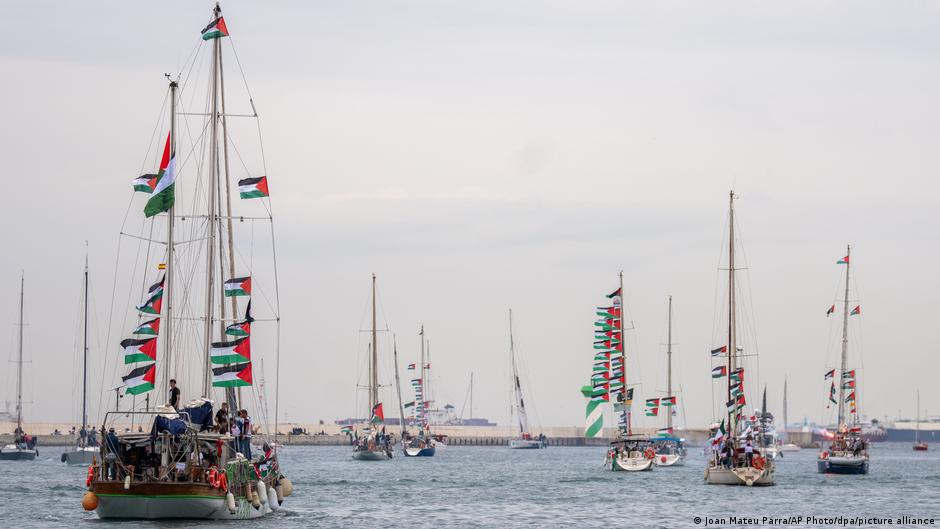
On April 30, Israeli naval forces detained multiple ships from the Global Sumud Flotilla, a humanitarian convoy attempting to deliver aid to the Gaza Strip. The vessels, which had departed from a Sicilian port on April 26, experienced communication blackouts and distress signals before being towed to Israel's Ashdod port.
Market Implications and Sector Reactions
The interception of the flotilla coincides with ongoing geopolitical tensions in the Middle East, prompting heightened volatility across related stock sectors. Defense contractors and maritime logistics firms saw increased trading volumes as investors reassess risk exposure to the region.
"The ongoing Israeli naval blockade and recent flotilla interception are likely to influence sector rotation, with potential upside in defense stocks amid sustained geopolitical uncertainty," noted equity researchers.
Stocks such as Lockheed Martin and Raytheon Technologies experienced moderate gains amid speculation of increased demand for security and surveillance technologies. Meanwhile, shipping and port operation companies with exposure to Mediterranean routes face uncertainty, with some traders reducing positions due to potential disruptions.
The Global Sumud Flotilla's attempt marks the largest humanitarian convoy yet trying to breach the Israeli-led maritime blockade, which has been in place since 2007 with Egyptian cooperation. This blockade’s persistence remains a critical factor in assessing regional geopolitical risk premiums.
The flotilla's organizers aim not only to deliver humanitarian aid but also to establish a permanent humanitarian corridor to the Gaza Strip. The intervention follows a fragile ceasefire agreement brokered in October 2025 between Israel and Hamas, mediated by the US, Turkey, Qatar, and Egypt, which has maintained relative calm but remains vulnerable to escalation.
Investors are monitoring how renewed humanitarian efforts and political developments may affect market sentiment and the strategic outlook of equities sensitive to Middle East stability.
As the situation unfolds, trading desks are adjusting positions across defense, logistics, and energy stocks, reflecting the complex interplay between geopolitical events and market dynamics.