Iranian IRGC Attack on Oil Tanker in Strait of Hormuz Raises Market Concerns
IRGC mines an oil tanker near the Strait of Hormuz amid ongoing regional tensions, impacting shipping routes and energy sector stocks.
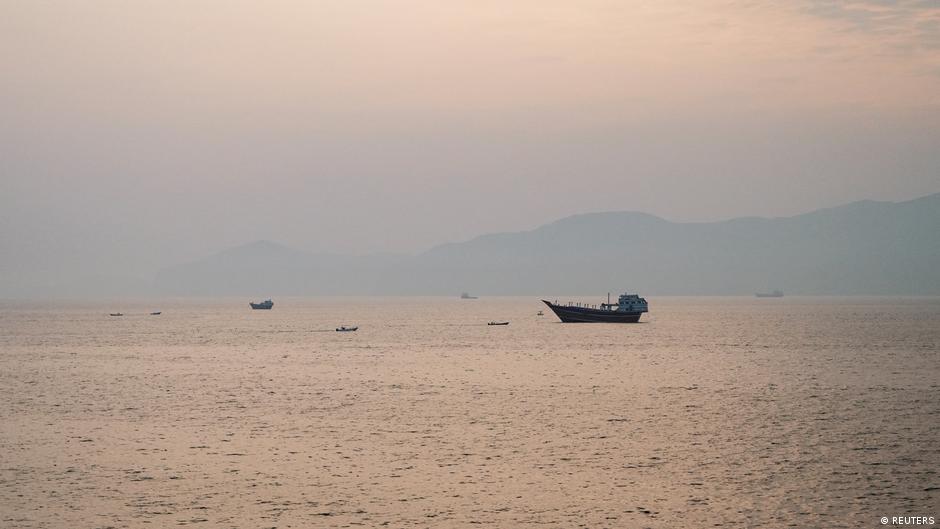
The Iranian Islamic Revolutionary Guard Corps (IRGC) has claimed responsibility for mining an oil tanker attempting to cross the Strait of Hormuz without Iran's consent, according to reports released on July 23. This development has significant implications for global energy markets and Wall Street trading, particularly in energy and shipping sectors.
Details of the Attack and Regional Tensions
According to a press release from the IRGC, three oil tankers, influenced by the presence of the U.S. military, tried to navigate a mined route south of the Strait of Hormuz. One tanker was hit by an explosion and caught fire, while the remaining two vessels reversed course. The IRGC warned that it would continue to block the Strait until the United States ceases what it calls "aggressive actions" in the region. Any ship attempting to cross without Iran's approval could face similar attacks.
"Our naval forces will continue to block the Strait of Hormuz as long as the U.S. engages in aggressive actions in the region," said the IRGC statement.
Early on July 23, the Financial Times reported that satellite imagery indicates the tanker Kavomaleas, owned by Greek shipping magnate Georgios Procopiou, was towed into Iranian waters after being attacked on July 19. The tanker, en route from Oman toward the Persian Gulf, was hit by two shells, causing a fire in the engine room and forcing the crew to evacuate.
European Space Agency (ESA) satellite images from July 21 show a vessel matching Kavomaleas's size and deck color near Iran’s Larak Island, emitting smoke from its engine room. Analysts suggest with high confidence that Iran has seized the tanker. The ship was expected to collect over 500,000 barrels of oil in the Persian Gulf, and satellite photos reveal an oil slick trailing behind it.
The owning company, Dynacom, has denied authorizing any movement of the vessel and is currently investigating its whereabouts.
Market Impact and Sector Rotation
The Strait of Hormuz is a critical chokepoint for global oil shipments, with approximately 20% of worldwide petroleum passing through. This latest hostile incident is set to raise concerns over supply disruptions, potentially increasing oil prices and triggering volatility in energy stocks on Wall Street.
Following this development, traders have observed a shift in sector rotation. Investors appear to be reallocating capital from risk-sensitive assets toward energy and commodities stocks, which traditionally benefit from increased geopolitical risk and supply constraints. Trading volumes in oil exploration and transportation equities have surged, reflecting heightened market attention.
Equity research analysts warn that ongoing tensions in the Persian Gulf could extend supply uncertainty, reinforcing oil price support. However, they also caution that further escalation risks may induce broader market volatility, impacting not just energy but also transportation and insurance sectors.
Broader Context
Since the intensified conflicts involving the U.S. and Israel against Iran, 45 vessels have been attacked in the region. Yet, the seizure of Kavomaleas marks only the third such capture by Iranian forces since hostilities began. The situation underscores the fragility of maritime security in a region vital to global energy supplies.
Market participants will closely monitor diplomatic developments and potential retaliatory measures from the U.S. or its allies, as these will heavily influence trading dynamics and risk assessments across multiple sectors.