Iranian Ayatollah Ali Khamenei’s Death and Funeral Spark Regional Tensions Impacting Global Markets
The funeral of Iran's late Supreme Leader Ali Khamenei marks a critical juncture amid ongoing US-Iran conflicts, influencing sector rotation and trading volumes on Wall Street.
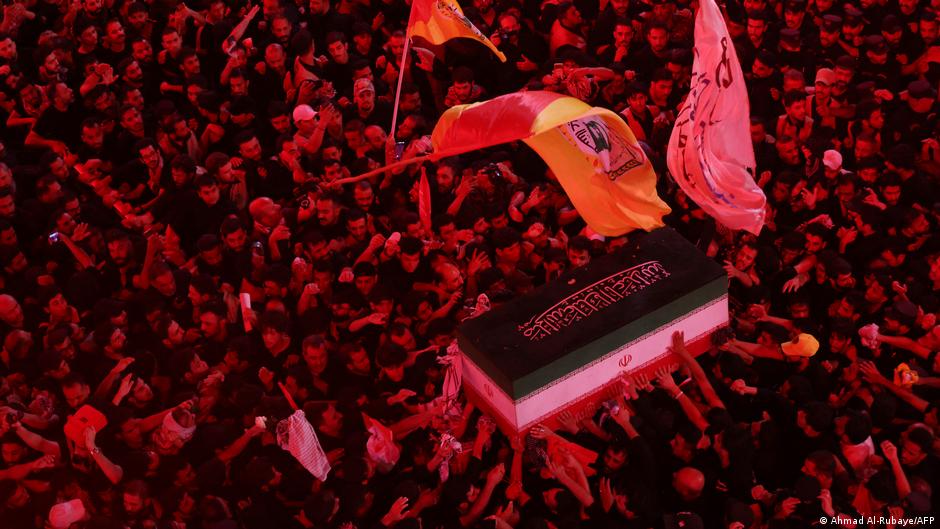
The recent funeral of Iran's former Supreme Leader Ayatollah Ali Khamenei, held in a closed ceremony in the city of Mashhad, has intensified geopolitical tensions following his death in late February during a US-Israel attack. This event is reverberating through global markets, influencing investor sentiment, sector rotations, and trading volumes, especially across defense, energy, and technology stocks.
Geopolitical Fallout and Market Implications
Khamenei was buried at the Imam Reza mausoleum in Mashhad, one of the most sacred Shiite Muslim sites, underscoring Iran's portrayal of him as a martyr against a militarily superior adversary. The funeral procession spanned several cities important to Shiite pilgrims, including Tehran, Qom, and Iraqi cities Najaf and Karbala, where millions participated in mourning ceremonies.
"The death of a key political figure like Khamenei, combined with ongoing military tensions, has significant implications for markets sensitive to Middle Eastern stability," said equity research analysts following energy and defense sectors.
Despite the scale of mourning, Khamenei’s son and successor, Mojtaba Khamenei, has remained out of public view since the attack on the Supreme Leader's residence, fueling speculation about his health and political stability. This uncertainty contributes to increased volatility in market sectors with exposure to geopolitical risk.
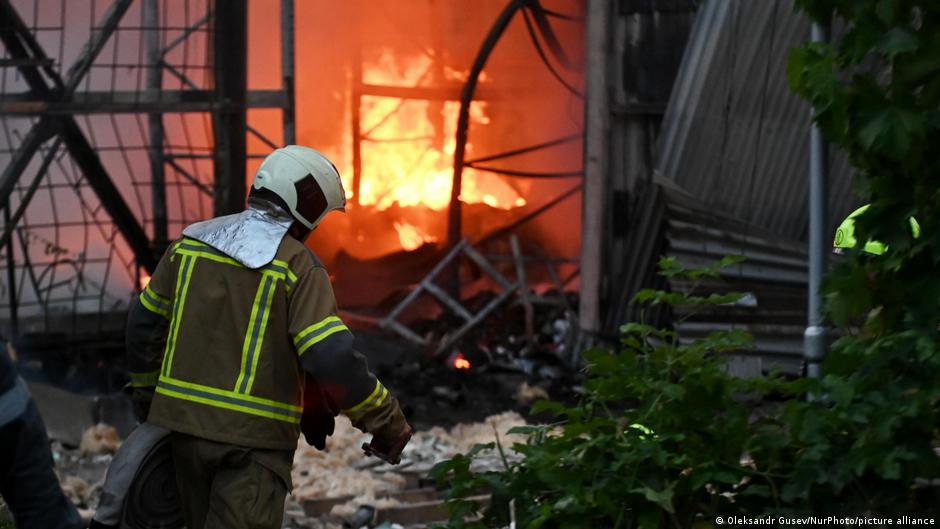
Energy stocks, particularly those tied to oil and gas, have seen heightened trading volumes as fears of escalated conflict in the Gulf region threaten supply chains. The Strait of Hormuz, a critical chokepoint for global oil shipments, was the site of Iranian attacks on tankers shortly after the funeral, prompting US retaliatory strikes on Revolutionary Guard positions and subsequent Iranian attacks on US bases in Bahrain and Kuwait.
These developments have triggered a rotation out of high-risk growth stocks toward sectors perceived as safe havens or beneficiaries of increased defense spending, including aerospace and cybersecurity firms. Investors are closely monitoring the geopolitical environment to adjust portfolios accordingly.
Wall Street's Response and Analyst Views
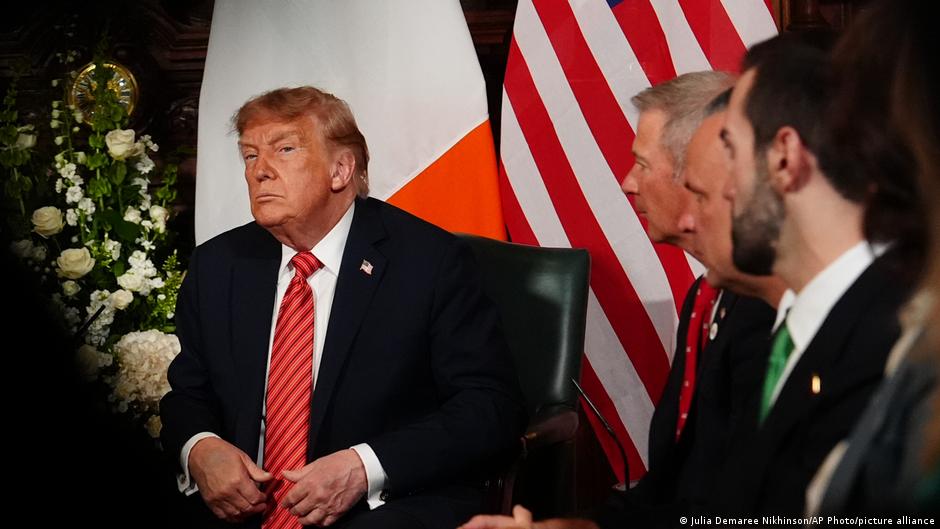
Wall Street has reacted cautiously to the renewed conflict and leadership uncertainties in Iran. President Trump’s remarks during the NATO summit emphasized the collapse of the ceasefire with Iran and an unwillingness to re-engage in negotiations, adding to market jitters.
Equity research firms highlight that while the US administration maintains that negotiations are ongoing, the military exchanges signal prolonged instability, which could drive sustained volatility in equities related to Middle Eastern geopolitics.
As the region approaches another commemorative event on July 19 in Qom, where Mojtaba Khamenei is expected to appear publicly, markets will be closely watching for signals of political consolidation or fracturing within Iran’s leadership. This event may provide clarity, influencing sector-specific market movements.
In summary, the death and funeral of Ayatollah Ali Khamenei have not only deepened existing geopolitical tensions but are actively shaping Wall Street dynamics through sector rotation, increased trading volumes in energy and defense stocks, and cautious investor positioning amid ongoing regional instability.