Germany Approves 2027 Budget with Increased Defense Spending and Borrowing
Germany's 2027 budget plans a 6% rise in spending and a notable boost in defense outlays amid security concerns over Russia
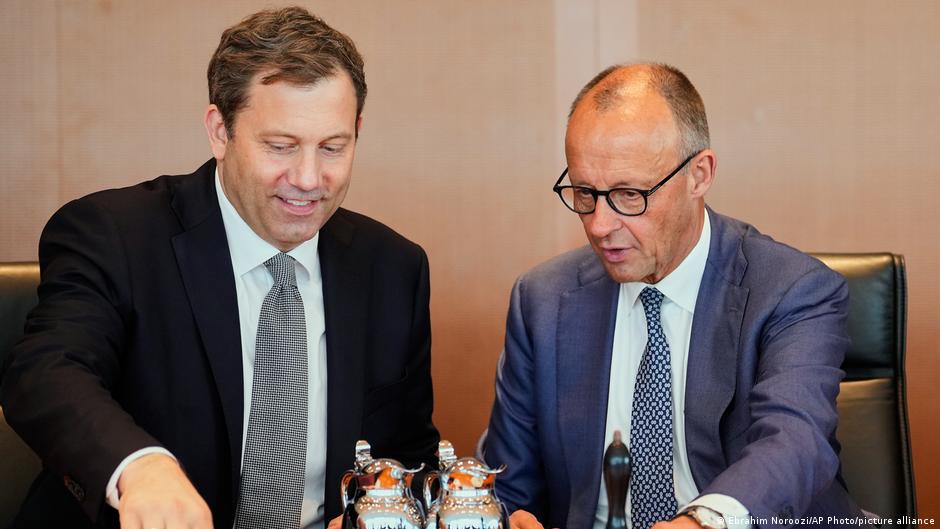
On July 6, the German government approved the federal budget draft for the year 2027, prepared by Finance Minister Lars Klingbeil. The draft signals a significant increase in both planned expenditures and new borrowing, reflecting heightened security concerns related to Russia.
Budget Highlights and Market Implications
The proposed budget raises total expenditures to €555.4 billion, nearly 6% higher than this year's outlays. Meanwhile, net new borrowing is set to climb substantially to €118.7 billion, up from €98 billion in 2024. The planned fiscal expansion, especially the boost in defense spending, is poised to influence market dynamics, sector rotation, and equity valuations.
The largest budget allocation remains with the Federal Ministry of Labour and Social Affairs, receiving €201.4 billion, mostly for pension payments. The Ministry of Defence is scheduled for the most significant proportional increase, with its budget rising 32.7% to €109.75 billion. The Ministry of Transport follows with €26.43 billion.
Finance Minister Klingbeil justified the budget's elevated spending and deficit, citing the need to rapidly modernize and strengthen Germany's armed forces after three decades of underfunding. "We need to make up for lost time caused by underinvestment that weakened our military, and we must do it quickly," he said. He emphasized that a zero-deficit budget would be insufficient to counter threats from Russian President Vladimir Putin.
"We will not be able to defend ourselves from Putin with a zero-deficit budget," said Klingbeil, emphasizing the link between security risks and fiscal expansion.
The budget’s increased borrowing and defense efforts could impact investors’ sector preferences on Wall Street, potentially favoring aerospace, defense contractors, and industrial manufacturers supplying military equipment. Heightened government contracts and defense procurement could drive higher revenues for publicly traded firms in these sectors.
However, the budget has drawn criticism from industry groups. The Federation of German Industries (BDI) warned that the increased spending and borrowing raise concerns about fiscal sustainability and called for policies that stimulate economic growth and improve government spending efficiency. Similarly, the Federation of German Chambers of Commerce (DIHK) noted that by 2030, social, defense, and debt interest payments will consume 80% of the budget, leaving little room for growth-oriented investments.
From an equity research perspective, the expanded defense budget in Germany could signal a broader European trend of increased military spending amid geopolitical tensions. Investors should watch for sector rotation toward defense, infrastructure, and industrials, while also monitoring government bond issuance that could affect fixed income markets. Trading volumes in defense-related equities may increase as market participants price in enhanced government demand.
In sum, Germany’s 2027 budget reflects a strategic prioritization of defense amid evolving security threats, with implications for borrowing costs, sectoral equity performance, and broader market trends driven by fiscal policy adjustments.