German Wage Gap Between Natives and Foreign Workers Hits 23.6%, Impacting Sector Trends
German wage disparity remains significant, influencing labor market dynamics amid sector rotation and equity trading volumes.
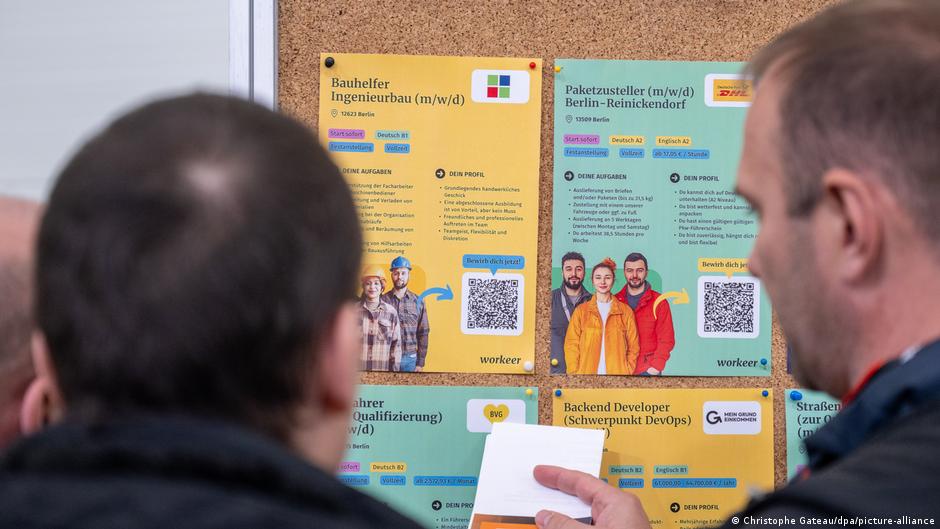
The wage gap between German natives and foreign workers in Germany stood at 23.6% by the end of 2025, according to recent data from the Federal Ministry of Labour and Social Affairs. Native Germans earned a median gross monthly salary of €4,396, compared to €3,358 for foreign employees working full-time.
This persistent pay disparity, which has consistently ranged between 23.1% and 25.5% since 2020, reflects ongoing structural differences within Germany's labor market. Both groups saw median wages rise in 2025, but the gap remains a key factor behind sectoral employment shifts and investor attention on labor-dependent industries.
Labor Market Implications and Sector Rotation
With 30.6% of foreign full-time employees engaged in low-paid jobs versus just 12.3% of German workers, the wage divide highlights underlying qualification and sectoral employment disparities. Analysis by the Institute for Employment Research (IAB) attributes much of the gap to immigrants being less represented in high-paying sectors and roles.
"The wage gap is largely driven by differences in industry placement and professional qualifications," the IAB noted in its report.
From an equity market perspective, these labor dynamics are influencing sector rotation trends. Industries with higher concentrations of skilled labor, such as technology and finance, continue to attract investment due to their ability to command higher wages and productivity. Conversely, sectors reliant on lower-paid foreign labor, including certain manufacturing and service subsectors, face margin pressures that impact stock performance.
Trading volumes in labor-intensive sectors are showing volatility as investors recalibrate risk exposure amid these wage disparities. Market analysts emphasize the importance of factoring in labor cost structures and workforce composition when assessing company valuations.
Qualifications and Earnings Correlation
The Federal Employment Agency underscores that earnings correlate strongly with education and professional qualifications. In 2025, median salaries for full-time workers without formal vocational qualifications were €3,133, while those with recognized qualifications earned a median of €4,069. University graduates commanded a significantly higher median salary of €6,146.
This stratification impacts investor sentiment toward human capital-intensive firms. Companies investing in employee upskilling and attracting qualified talent may see more stable earnings growth, influencing stock valuations and attracting equity research coverage.
Overall, the persistent wage gap and its underlying causes present both challenges and opportunities for investors monitoring Germany's labor market trends and sectoral shifts on Wall Street.