G7 Announces New Sanctions on Russian Energy and Military Aid to Ukraine Impacting Market Sectors
G7's commitment to heightened sanctions on Russia and increased Ukrainian military support influences energy sector and defense stocks amid geopolitical shifts.
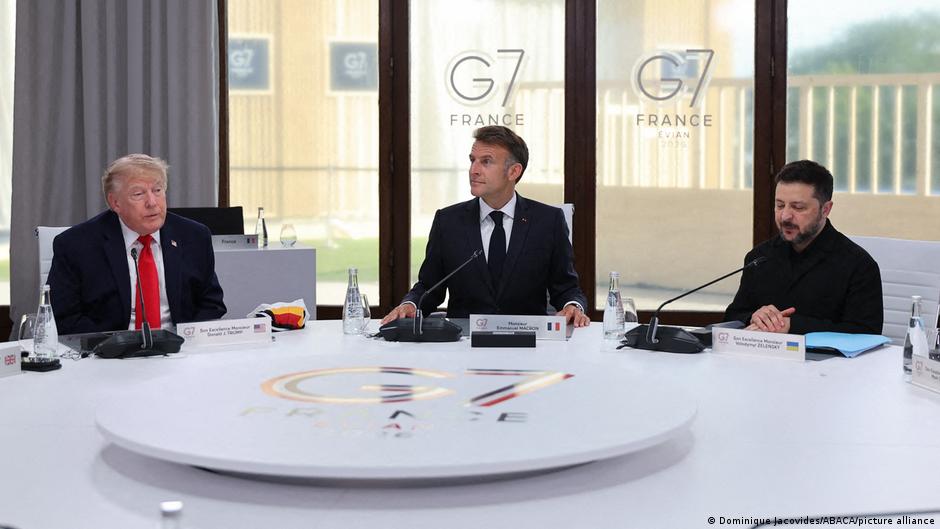
In a decisive move following their summit in Évian-les-Bains, France, the Group of Seven (G7) nations have committed to imposing new sanctions on Russia's gas and oil sectors while pledging enhanced military aid to Ukraine. This development has significant implications for Wall Street, particularly affecting energy and defense stocks, sector rotation strategies, and trading volumes.
G7's Sanctions and Military Support: Market Implications
The joint statement released late on June 17th by G7 leaders, which includes Germany, the United States, the United Kingdom, France, Italy, Japan, and Canada, underscores an intensified approach to pressure Russia's military economy. The declaration specifically highlights the reinforcement of sanctions targeting the oil and gas industries, signaling potential volatility in energy markets.
"We commit to intensifying pressure on Russia's military economy, including enhanced measures against the oil and gas sectors," the statement reads.
Market analysts anticipate that these sanctions could tighten supply chains, potentially driving energy prices higher and prompting investors to reassess their exposure to Russian energy assets. Given that oil and gas are pivotal to Russia's economy, further restrictions may disrupt global energy markets and influence sector rotation towards alternative energy and defense suppliers.
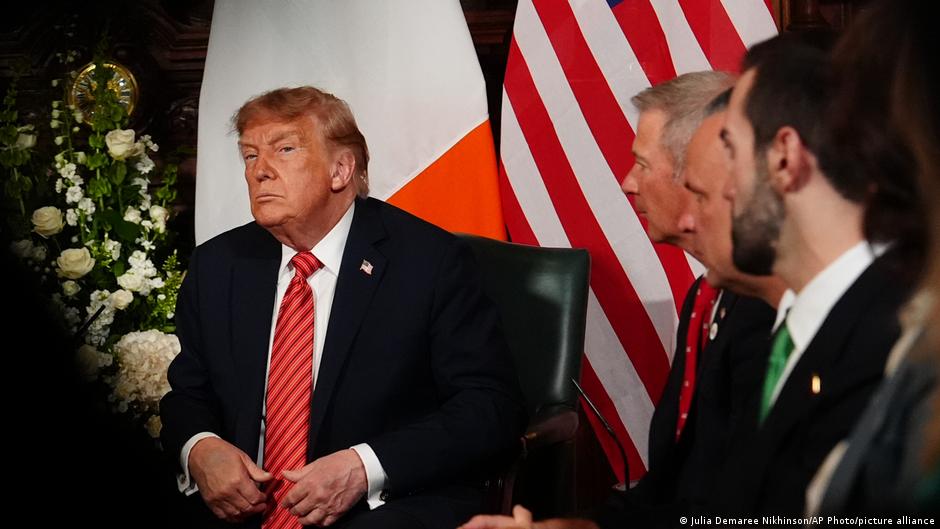
The timing of these sanctions aligns with a recent agreement facilitated by former U.S. President Donald Trump, which reopened the Strait of Hormuz, a critical maritime chokepoint for oil and gas transport. This development could moderate some supply concerns but does not diminish the overall pressure on Russian energy exports.
On the military aid front, the G7's promise to supply Ukraine with advanced air defense systems, interceptors, and long-range weaponry signals a protracted conflict with sustained demand for defense equipment. The statement also mentions consideration of licensing that would allow Ukraine to increase domestic military production, potentially creating new dynamics in defense manufacturing and procurement.
Sector Rotation and Trading Volumes
Investors may witness increased trading volumes in energy and defense sectors as the G7's actions prompt reassessment of risk and opportunity. Energy stocks linked to alternative or renewable sources might attract capital as markets anticipate further constraints on Russian fossil fuels. Conversely, traditional energy firms could see price volatility due to supply uncertainties.
Defense stocks are poised for potential gains, reflecting increased government spending on military aid and the broader geopolitical environment. Equity research firms are likely to revise forecasts upward for companies involved in producing air defense systems, interceptors, and long-range missiles.
Meanwhile, traders could also focus on currencies and commodities sensitive to geopolitical tensions, such as the U.S. dollar and gold, as safe-haven assets.
Broader Economic and Strategic Outlook
The G7's unified stance signals enduring support for Ukraine's sovereignty and territorial integrity amid recent battlefield gains. The commitment to energy support aims to assist Ukraine in navigating the upcoming winter, indicating a long-term strategic engagement.
For the markets, this means sustained geopolitical risk that could lead to continued volatility across multiple sectors. Market participants should closely monitor developments related to the sanctions' implementation and Ukraine's military procurement activities to optimize portfolio positioning.
In sum, the G7's latest measures reflect an escalation in economic and military pressure on Russia, with immediate and significant repercussions expected in the energy and defense industries. Wall Street traders and investors must be agile in responding to these shifts driven by international diplomacy and conflict dynamics.