Fuel Supply Constraints in Russia Trigger Sectoral Concerns and Market Volatility on Wall Street
Restrictions on gasoline sales across 53 Russian regions reflect intensified Ukrainian drone strikes on oil infrastructure, influencing energy stocks and trading volumes.

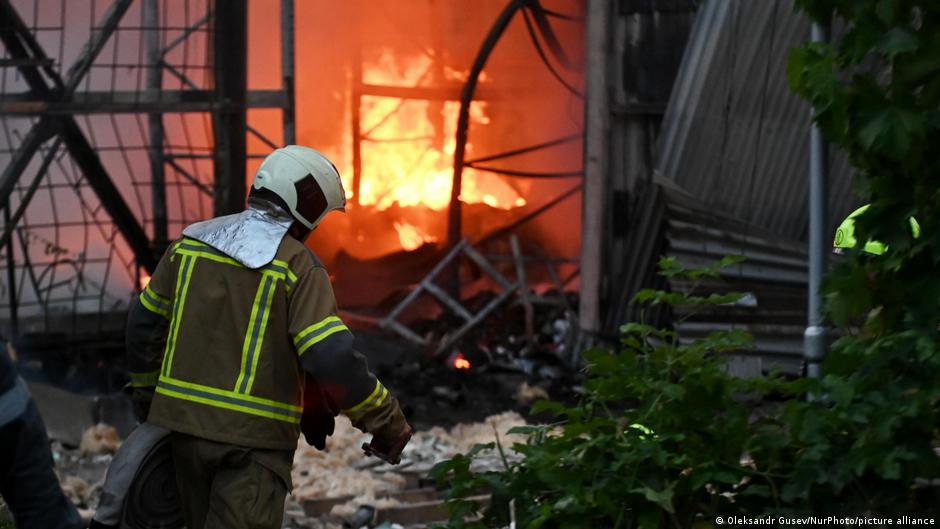
Recent disruptions in Russia's oil production industry, caused by escalating Ukrainian drone attacks on refineries and fuel depots, have led to nationwide restrictions on gasoline sales. These measures, affecting 53 Russian regions including newly annexed territories, are creating ripples in the global energy markets and prompting close scrutiny from equity analysts and investors on Wall Street.
Operational Curtailments and Regional Sales Restrictions
Since mid-June, Russia's oil output has hit its lowest point in a year due to intensified attacks on critical infrastructure. As a countermeasure, Russian authorities have imposed fuel rationing policies to mitigate shortages and curb speculative buying. For example, in Voronezh Oblast, Lukoil-operated gas stations have set limits: a maximum of 30 liters of gasoline and 60 liters of diesel per fill-up within the region, with higher allowances on highways.
Similarly, in Omsk and Irkutsk regions, officials have announced restrictions as well, with limits such as 40 liters of gasoline and 80 liters of diesel per vehicle. Some gas stations have even ceased operations temporarily. Saratov has enforced a 30-liter gasoline cap per vehicle from June 23 to June 30 to prevent artificial demand surges.
Other affected areas reporting similar constraints include Amur, Tambov, Lipetsk, Tula, Tver, and Vladimir regions. The widespread nature of these limitations underscores the severity of the fuel supply crisis stemming from the ongoing conflict.
"Temporary fuel rationing is a necessary response to unprecedented operational disruptions caused by targeted drone strikes," said an industry analyst monitoring the situation.
Market Impact and Sector Rotation on Wall Street
The direct impact of these disruptions on global energy markets is multifaceted. Reduced Russian oil output, especially from central regions, tightens global supply expectations and has led to increased volatility in energy-related equities. Shares of major oil producers with exposure to Russian operations, such as Lukoil and other integrated energy firms, have experienced fluctuating trading volumes as investors reassess geopolitical risk premium.
Sector rotation strategies on Wall Street have seen a cautious shift. Investors are increasingly favoring alternative energy and non-Russian oil producers, anticipating sustained supply constraints from Russia. Equity research teams are updating forecasts to reflect potential extended periods of production disruption and the resultant pricing pressures in oil and gasoline markets.
Trading desks report heightened activity in energy futures and related ETFs, with volumes surging as market participants hedge against supply uncertainties. Analysts emphasize that while the immediate fuel rationing aims to stabilize domestic markets in Russia, the knock-on effects are likely to influence pricing and investment flows in global energy equities.
In conclusion, the ongoing fuel supply challenges in Russia, driven by geopolitical conflict and operational impacts, are prompting significant market responses. These include stock volatility, sector rotation towards alternative energy, and increased trading activity, all of which remain key areas of focus for Wall Street investors and analysts.