France Tightens Visa Issuance Rules for Russian Citizens Impacting Travel-Dependent Stocks
New French visa restrictions for Russians add to EU-wide tightening, influencing travel sector sentiment and trading volumes.
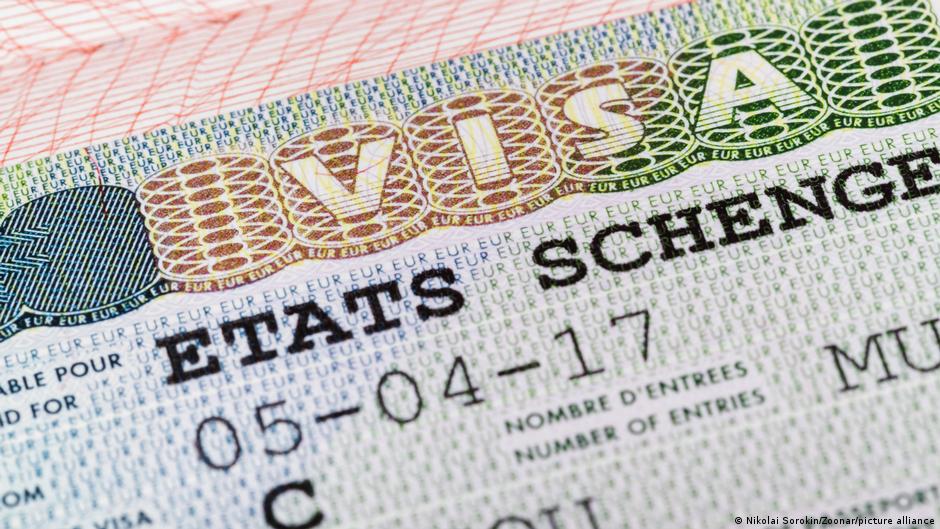
France has implemented stricter visa issuance rules for Russian citizens, joining Italy, Spain, and Hungary in tightening access to Schengen visas. The new regulations, effective from July 15, require applicants to submit visa documents in person or through close relatives only, eliminating the previous option of using notarized power of attorney submissions.
Impact of EU Visa Restrictions on Travel and Hospitality Stocks
The visa tightening across major EU countries, including France’s recent changes announced by the Russian Tour Operators Association, is likely to affect travel demand from Russian nationals. Notably, the French visa application center in Moscow will no longer accept documents submitted via third parties, restricting applications to the actual applicant, parents or guardians of minors, and close family members with proof of relation and recent biometrics.
These restrictions coincide with increased processing times observed in Italian and Spanish visa centers, with Italian Schengen visa issuance delays reaching up to 60 days and Spain extending wait times to 45 days. Concurrently, Hungary has suspended visa applications in several Russian cities, including Samara, Ufa, and Kazan.
"Applicants must now personally sign visa forms and undergo biometric data collection if older than 12 years," the new French guidelines specify.
These cumulative restrictions are anticipated to reduce short-term travel from Russia to Europe, which may pressure stocks within European airlines, hotel chains, and travel-related sectors that rely on Russian tourists. Market analysts monitoring sector rotation note potential shifts as investors recalibrate exposure to travel equities facing near-term headwinds from diminished Russian demand.
Furthermore, trading volumes in these sectors could experience volatility driven by uncertainty over the duration of visa restrictions and geopolitical tensions influencing cross-border travel. Equity research teams have begun revising earnings forecasts for companies with significant Russian tourist clientele, highlighting risks of lower occupancy rates and reduced ancillary revenues.
Investors focusing on European travel stocks should monitor developments in EU visa policy closely, as any easing or further tightening could materially impact market sentiment and sector performance.