Former Ukrainian Defense Minister Calls for Elections Amid Ongoing War, Raising Market Uncertainty
Mikhail Fedorov urges legal and safe electoral process during conflict, sparking investor concern over political stability and sector impacts.
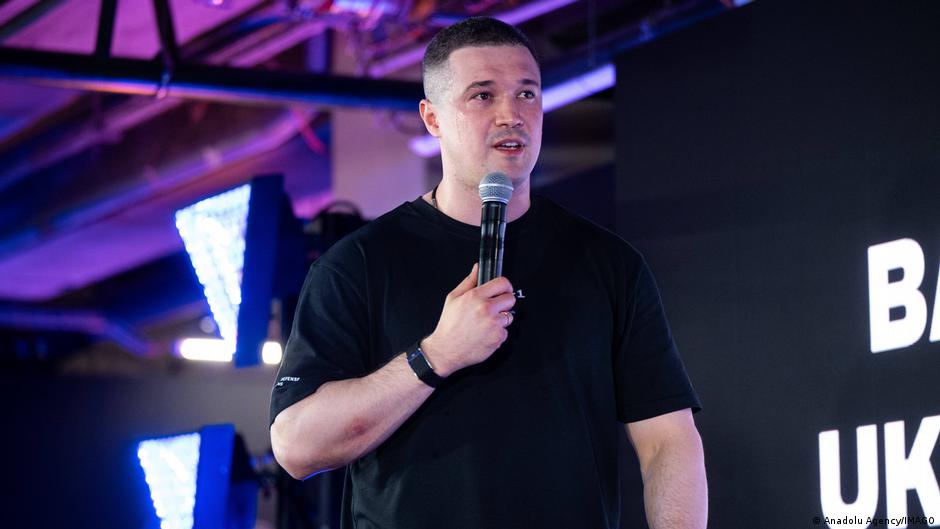
Mikhail Fedorov, former Ukrainian Defense Minister, has publicly called for holding elections in Ukraine despite the ongoing war, emphasizing the necessity of finding a legal and secure mechanism to do so. His statement, delivered via a video message on August 18, underscores challenges but insists that complexity does not equate to impossibility.
Political Developments and Market Implications
Fedorov’s appeal raises critical questions about Ukraine’s political trajectory amid continued conflict with Russia. He argued against allowing Russia to dictate Ukraine’s democratic processes, stating, "If the war continues for one, two, or three years, can Russia effectively have the right to decide when Ukrainians can choose their government again? I am convinced it cannot. Democracy cannot be held hostage by Russia." This assertion introduces potential volatility in Ukrainian governance, which could influence market sentiment.
Ukrainian equities, especially those in sectors closely tied to government policy and defense, may experience increased trading volumes and price fluctuations as investors weigh risks related to political uncertainty and institutional stability. The demand for transparency and trust in electoral results, as noted by Fedorov, highlights investor sensitivity to governance standards amid wartime conditions.
"Complexity does not mean impossibility. Ukraine has repeatedly done what the world considered impossible," Fedorov remarked, reflecting on the country’s resilience.
Fedorov also criticized the precedence of personal loyalty over professional merit in government appointments, a factor that contributes to concerns about institutional integrity. Such a sentiment can affect investor confidence, particularly regarding reforms and modernization efforts in Ukraine's defense sector, historically linked to Fedorov’s tenure.
His resignation from the Defense Ministry on July 15, reportedly due to disagreements with the Chief of Armed Forces Alexander Syrsky, sparked protests in various Ukrainian cities. Protesters hailed Fedorov as one of the most effective defense ministers, associating him with significant military reforms and modernization of the Armed Forces of Ukraine (AFU). This public support might reflect broader societal demands for stable leadership, which is crucial for sustained economic recovery and market stability.
From a sector rotation perspective, the defense and infrastructure sectors in Ukraine may receive heightened attention from equity research analysts due to these political developments. Analysts are likely to closely monitor government appointments and potential policy shifts, which could drive investment flows. Trading volumes in these sectors could increase as market participants adjust portfolios in response to evolving political risks.
Overall, Fedorov’s call for elections amid conflict introduces a complex dynamic that intertwines political developments with market performance. Investors and analysts will closely observe how Ukraine balances democratic processes with wartime exigencies and how these factors impact equity valuations and sectoral performance.