Former German Foreign Minister Annalena Baerbock to Join Columbia University Amid Market Sector Shifts
Baerbock's academic appointment in New York follows her UN General Assembly chairmanship, coinciding with shifts in diplomatic and energy sectors impacting related stocks.
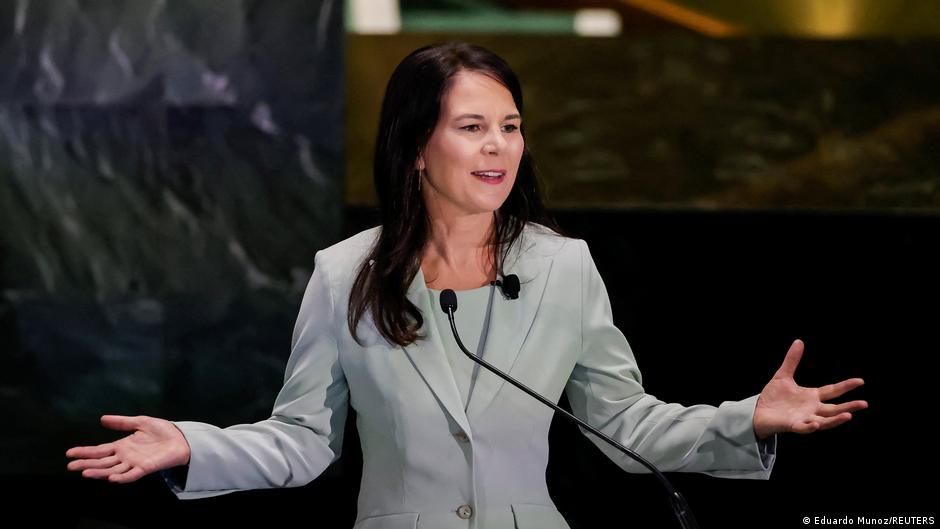
Announcing a notable transition from politics to academia, former German Foreign Minister Annalena Baerbock will join Columbia University in New York as a co-director of the Master of Public Administration in Global Leadership program. This move comes as Baerbock concludes her one-year term as Chair of the United Nations General Assembly, a post she has held since September 2025.
Impact on Market Sectors and Trading Volumes
Baerbock's departure from active diplomacy and entry into academia highlights broader shifts in political leadership that often influence market dynamics, particularly in the energy and international relations sectors. Baerbock, a prominent figure of the Green Party, has been associated with environmentally focused policies that have affected energy stocks and green investments in Europe.
Her successor, Bangladesh's former Foreign Minister Khalilur Rahman, will take over the UN General Assembly chairmanship. This leadership change is expected to influence diplomatic priorities and sector rotations, notably in emerging markets and infrastructure investments tied to global diplomacy.
"Baerbock’s move symbolizes a transition in global leadership roles that often precipitates adjustments in related equity sectors, especially those tied to environmental policy and international trade," said an equity research analyst.
From a trading perspective, sectors linked to renewable energy and international collaboration may experience volatility as market participants reassess the influence of key policymakers. The academic appointment also reflects a trend where former policymakers leverage their expertise to shape future leadership, potentially signaling long-term shifts in governance and policy frameworks.
Baerbock’s practical teaching role at Columbia, distinct from traditional research positions, indicates an emphasis on applied leadership, potentially fostering new thought leadership that could influence policy-driven market sectors.
Historically, her predecessor as German Foreign Minister, Joschka Fischer, similarly transitioned to academia and consultancy roles, including advisory positions in international infrastructure projects such as the Nabucco gas pipeline and Siemens AG. Such career moves often correspond with shifts in sector investment flows, notably energy and industrials.
Investors and analysts will be watching these developments closely, as changes in diplomatic leadership and policy emphasis can lead to sector rotation, impacting stocks in energy, industrials, and emerging markets globally.