Finland Lifts Ban on Nuclear Weapons, Impacting Defense Sector and Market Sentiment
Finland’s new law allowing nuclear weapons transit tightens NATO ties, influencing defense stocks and sector rotation on Wall Street.
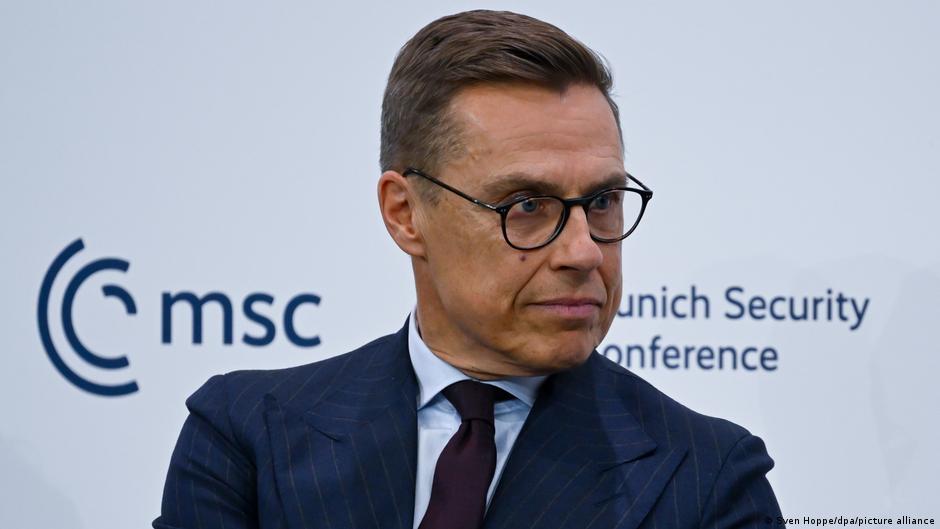
Finland has officially lifted its prohibition on the import and stationing of nuclear weapons within its borders, a move that took effect on July 1. The Finnish president, Alexander Stubb, signed amendments to the Atomic Energy Act that remove the previous ban, signaling a strategic shift with potential ripple effects on global security dynamics and financial markets.
Market and Sector Implications
The legislative change reflects Finland’s deeper integration into NATO following its May 2022 decision to join the alliance amid escalating tensions with Russia. While President Stubb emphasized that Finland does not plan to host nuclear weapons during peacetime, the removal of the ban introduces nuclear deterrence as a strategic factor. This development has prompted increased investor attention on defense equities and companies specializing in military technology and nuclear capabilities.
Defense stocks, particularly those with exposure to NATO contracts or nuclear-related technologies, have seen a surge in trading volumes since the announcement. Sector rotation from traditionally safer assets to defense and aerospace has been observed, reflecting heightened geopolitical risk perceptions. Equity research analysts note that firms with advanced nuclear deterrence solutions and allied defense contracts may benefit from increased government spending driven by NATO’s eastern expansion.
“This legislative change in Finland underscores a significant recalibration of European defense postures, with clear implications for defense sector valuations and investor risk appetite,” said a senior equity strategist.
Conversely, market participants remain cautious about potential retaliatory measures from Russia, which previously warned of “countermeasures” should nuclear weapons be stationed in Finland. The Finnish Defense Minister Antti Häkkänen stated that Helsinki is prepared for Moscow’s response, viewing the legal amendment as a deterrent that reduces the risk of Finnish territory becoming a target of military aggression.
Financial markets are closely monitoring how these geopolitical shifts will affect risk premiums and capital flows. The move also aligns with Finland’s departure from the Ottawa Treaty banning anti-personnel mines, signaling a broader defense posture recalibration.
Broader Strategic Context
Finland shares a 1,300-kilometer border with Russia, underscoring the significance of its NATO membership and the new nuclear arms policy. The country’s transition reflects evolving security challenges in Europe following Russia’s full-scale invasion of Ukraine in 2022. Although Finland has not indicated plans to deploy nuclear weapons immediately, the legal framework now facilitates rapid response should NATO's deterrence strategy require it.
In May 2026, President Stubb called for renewed dialogue between Europe and Russia, asserting that a direct conversation is overdue given the geopolitical realities. Markets will be attentive to any diplomatic progress or setback, as these will influence defense sector investment outlooks and regional stability.
Overall, Finland’s legislative shift represents a critical juncture for European security and a catalyst for increased investor focus on defense-related equities amid ongoing geopolitical uncertainty.