EU-Turkey Gas Deal Excludes Russian Supplies Amid Shifts in Energy Sector Dynamics
Germany insists future gas contracts involving Turkey and the EU exclude Russian gas, signaling sector rotation and impacting energy stocks.
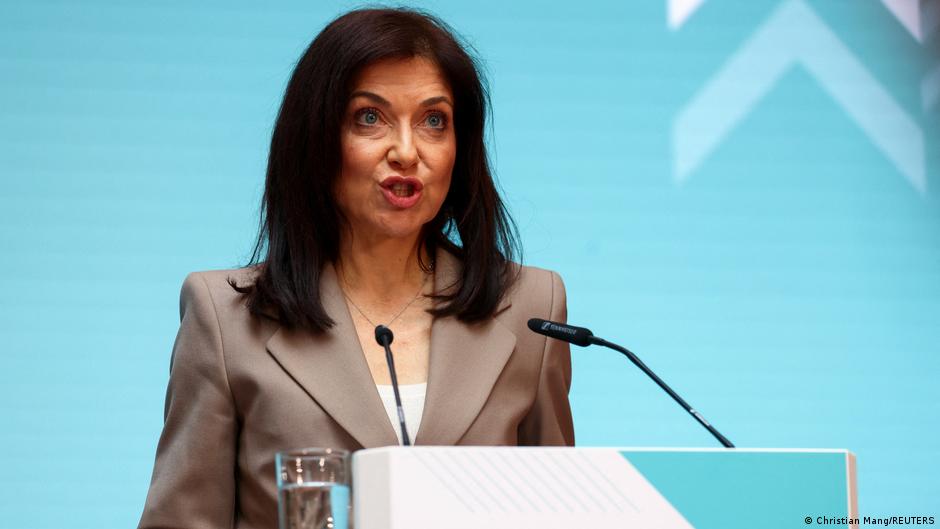
In a move that could significantly influence energy markets and related stocks, Germany has reaffirmed the European Union's firm stance against sourcing gas from Russia in any future agreements involving Turkey. This announcement was made by German Economy Minister Katherina Reiche during her two-day visit to Ankara, underscoring a pivotal shift in energy trade flows and supply chain dynamics.
Implications for Energy Stocks and Market Rotation
Minister Reiche emphasized that Brussels will insist on eliminating Russian gas from future energy contracts with Turkey, a country currently positioned as the EU's fifth-largest trading partner and a major player in regional gas markets. Turkey, the second-largest purchaser of Russian gas, is actively negotiating new supply contracts with Moscow as existing agreements approach expiration. Simultaneously, Ankara aims to establish itself as a regional gas hub, a strategic posture that could reshape sectoral investment focus.
"We need Turkey as a reliable trading partner and for achieving shared political goals," Reiche stated, highlighting the geopolitical backdrop that includes Russia's war against Ukraine and complex regional conflicts involving the US, Israel, and Iran. The German minister’s comments reflect an ongoing sector rotation away from Russian energy assets, which has already impacted trading volumes and valuations in the energy sector.
"The EU is determined to end its dependency on Russian raw materials," Reiche noted, acknowledging Turkish officials’ candid admission that replacing Russian gas cannot happen overnight, neither economically nor resource-wise.
This gradual transition could prompt increased investor scrutiny on alternative suppliers and infrastructure development, affecting stocks of companies involved in oil and gas production, pipeline construction, and LNG terminals, particularly those connected with Iraq and Kazakhstan. Indeed, recent data shows Turkish refineries have boosted oil imports from these countries following sanctions against Russia by the US, EU, and UK.
Market analysts anticipate that the exclusion of Russian gas will accelerate investments into non-Russian energy sources and technologies, influencing equity research opinions and trading volumes in the energy sector. Firms engaged in Middle Eastern oil and pipeline projects may see heightened interest, while companies linked to Russian gas could face sustained pressure amid ongoing geopolitical tensions.
For traders and portfolio managers, this evolving scenario underscores the growing complexity of supply chains and the necessity to monitor political developments closely. The interplay between energy security concerns and regional trade relations is expected to drive sector rotation, with potential ripple effects on energy commodities and related equities.