EU Halves Duty-Free Steel Import Quota, Imposes 50% Tariff Beyond Limit
New EU steel import restrictions cut duty-free quota by 47%, impacting steel sector stocks and prompting market sector rotation.
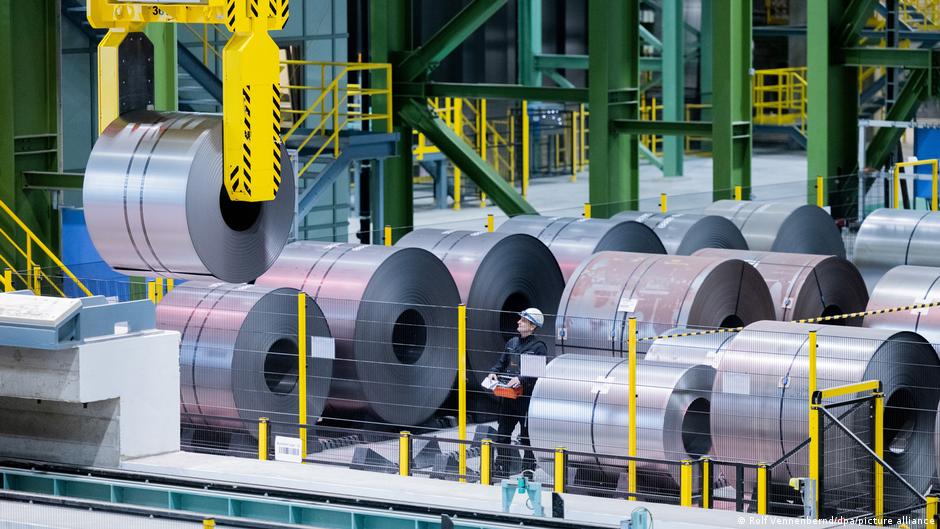
On July 1, the European Union implemented stringent new restrictions on steel imports, cutting the duty-free import quota by approximately 47%. The new rules set the annual quota at 18.3 million tonnes, nearly half of the previous volume, and impose a 50% tariff on steel imports exceeding the quota—double the previous tariff rate.
Market Implications for Steel and Related Sectors
The EU's decision aims to protect its domestic steel industry from a surge of cheap imports, particularly targeting steel from countries like China, which produced around 961 million tonnes of steel in 2025, representing over half of global production. In contrast, Germany, the largest steel producer within the EU, produced approximately 34 million tonnes in the same year.
Equity markets have responded with notable sector rotation as investors reassess exposure to steel producers and related industries. Stocks of European steel manufacturers, especially German firms, have shown increased trading volumes and price volatility following the announcement.
Analysts highlight that the higher tariff barrier on imports beyond the reduced quota could lead to increased input costs for industries reliant on imported steel, such as automotive and machinery sectors. However, domestic steel producers may benefit from potentially higher prices and increased demand.
"The EU's tougher import restrictions are a strategic move to shield local steelmakers from global overcapacity, but they also introduce new dynamics for supply chains and sector valuations," said a market analyst.
From a trading perspective, volumes in steel-related equities have seen elevated activity as portfolio managers rebalance holdings to account for the anticipated market shifts. The imposition of these tariffs is expected to encourage a sector rotation favoring domestic steel producers and equipment manufacturers over import-reliant firms.
In summary, the EU's enforcement of stricter steel import quotas and increased tariffs represents a significant policy shift with clear implications for stock market sectors related to steel production and consumption. Investors and equity researchers are closely monitoring how these regulatory changes will influence market valuations and operational costs across interconnected industries.