EU Extends Sanctions Against Russia for One Year, Impacting Markets and Energy Sectors
The EU’s unprecedented one-year extension of sanctions on Russia signals increased geopolitical pressure, affecting specific stocks and sector rotations on Wall Street.
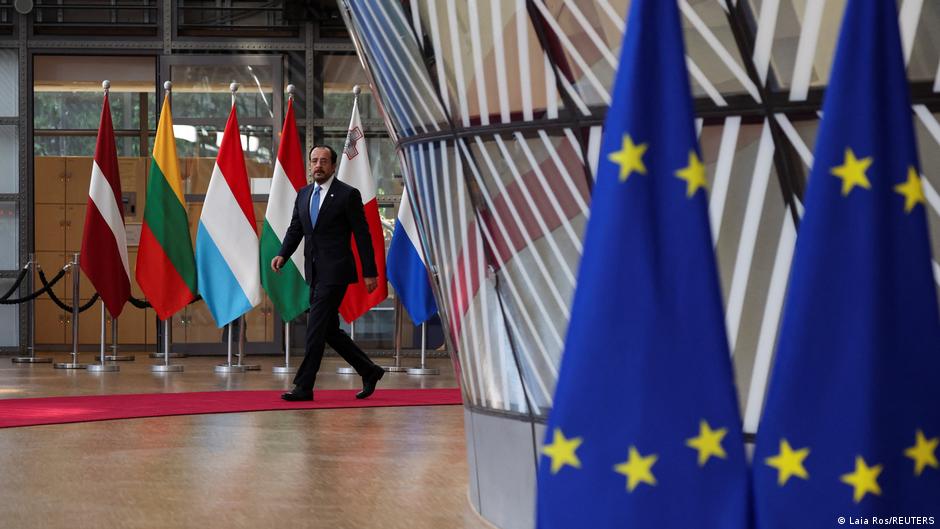
In a significant shift, European Union leaders agreed during the Brussels summit on June 18 to extend sanctions against Russia for a full year, marking the first time the EU has prolonged such measures beyond six months. This development follows a change in Hungarian political leadership, allowing the consensus necessary to impose stronger economic restrictions.
Market Implications of the EU’s Extended Sanctions on Russia
The decision to lengthen sanctions duration reflects the EU’s intensified stance against Russia’s military actions in Ukraine. The sanctions aim to further erode Russia’s military economic capacity and compel Moscow towards meaningful peace negotiations. From an equity market perspective, this extension has a multifaceted impact, influencing sector rotations, trading volumes, and investor sentiment on Wall Street.
“The EU intends to drastically reduce Russian revenue from energy sales, including measures targeting the ‘shadow fleet,’ signaling continued pressure on the energy sector and associated equities.”
Energy sector stocks, particularly in Europe and those with exposure to Russian oil and gas, are likely to experience heightened volatility. The ongoing restriction on Russian energy revenues pressures supply chains and pricing, potentially benefiting alternative energy companies and prompting rotation among commodity-related stocks.
Financial institutions involved in trading or financing Russian-linked assets may face increased compliance costs and risk exposure. Moreover, the anticipated 21st sanctions package — expected to target Russian military personnel, religious figures such as Patriarch Kirill, and extend to new domains like fisheries — could introduce additional market uncertainties.
Trading volumes are expected to rise as investors adjust portfolios to mitigate risks associated with exposure to Russian-linked assets and shifting geopolitical landscapes. Equity research analysts are revising outlooks across sectors, with heightened caution around companies with direct or indirect Russian market ties.
Despite unanimous support from 27 EU member states for the new sanctions and the war declaration against Russia, Bulgaria’s Prime Minister Rumen Radev has signaled a veto threat over economic concerns and opposition to restrictions on Patriarch Kirill. These political nuances may influence the timing and content of future sanctions, adding complexity to market reactions.
In summary, the EU’s unprecedented one-year extension of Russia sanctions marks a pivotal moment with broad implications for global financial markets. Investors should closely monitor developments around the upcoming sanctions package, sector rotation trends, and evolving geopolitical dynamics that will drive equity performance in the near term.