EU Entry Ban on Russian Combatants Faces Resistance from Paris and Rome Amid Market Uncertainty
France and Italy express concerns over EU’s proposed travel ban on Russian war participants, highlighting potential broader implications for European markets and sectors.
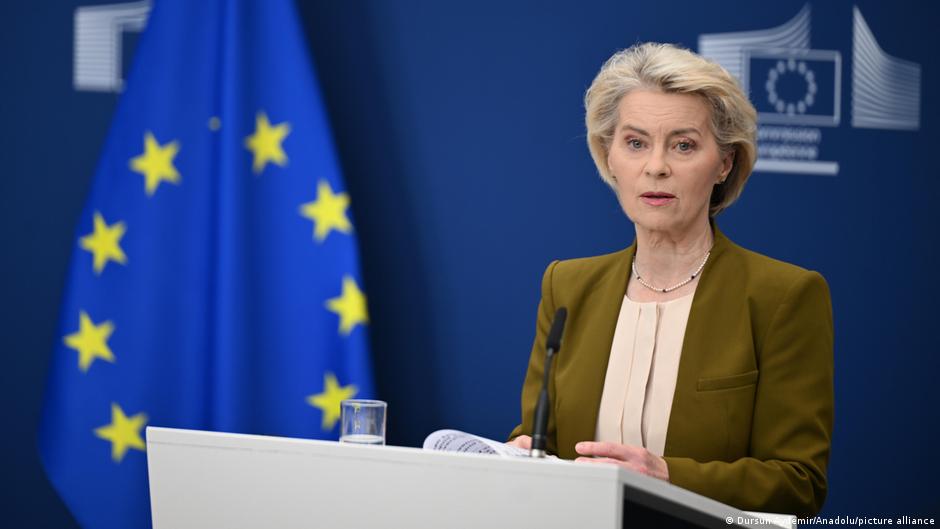
The European Union’s proposed entry ban on Russian individuals who have participated in the war against Ukraine is encountering skepticism from two of its major member states, France and Italy. Sources reveal that both Paris and Rome are apprehensive that the measure, intended to target only Russian combatants, could inadvertently extend to all Russian nationals, thereby complicating implementation and potentially impacting European market sectors.
Market and Sector Implications of the EU’s 21st Sanctions Package
The proposed restrictions form part of the EU’s 21st sanctions package, which is set for discussion among member states. While the ban aims to restrict entry exclusively to Russians who have served in combat roles, France and Italy caution that identification and enforcement will fall to individual EU countries, creating significant administrative challenges. This uncertainty has raised concerns about the potential ripple effects on sectors sensitive to geopolitical tensions, including energy, finance, and trade.
Experts note that the sanctions package, introduced by European Commission President Ursula von der Leyen on June 9, also includes measures affecting energy markets—such as price caps on Russian oil—and extends restrictions into new domains like fisheries. The intent is clear: to sharply curtail Russian revenues financing the ongoing conflict in Ukraine. However, market participants remain wary of enforcement risks and unintended consequences, particularly if travel restrictions extend beyond targeted combatants.
“Europe remains closed to all who participated in the invasion of Ukraine,” declared von der Leyen, underscoring the EU’s determination to maintain pressure on Moscow.
From a trading perspective, the evolving sanctions environment has influenced sector rotation strategies, with investors recalibrating exposure to energy stocks and financial institutions exposed to Russian operations. The ambiguity surrounding the exact scope and enforcement of the entry bans contributes to fluctuating trading volumes across affected equities as investors seek to hedge geopolitical risk.
Moreover, the concerns voiced by Paris and Rome underscore broader challenges in EU policymaking, where unanimity is required for sanction adoption. Any delay or dilution could impact market sentiment, especially in sectors historically sensitive to European regulatory shifts.
In summary, the EU’s latest sanctions package, while designed to pressure Russia into negotiations amid improving Ukrainian frontlines, introduces uncertainties that financial markets must factor into equity research and portfolio management. The intersection of geopolitical measures and market dynamics continues to drive cautious trading activity and sector rotation within European equities.