Drone Attacks on Russian Oil Refineries Disrupt Supply and Shift Market Dynamics
Saratov refinery shutdown post-drone strike intensifies Russian fuel shortage, influencing sector rotation and trading volumes on Wall Street.
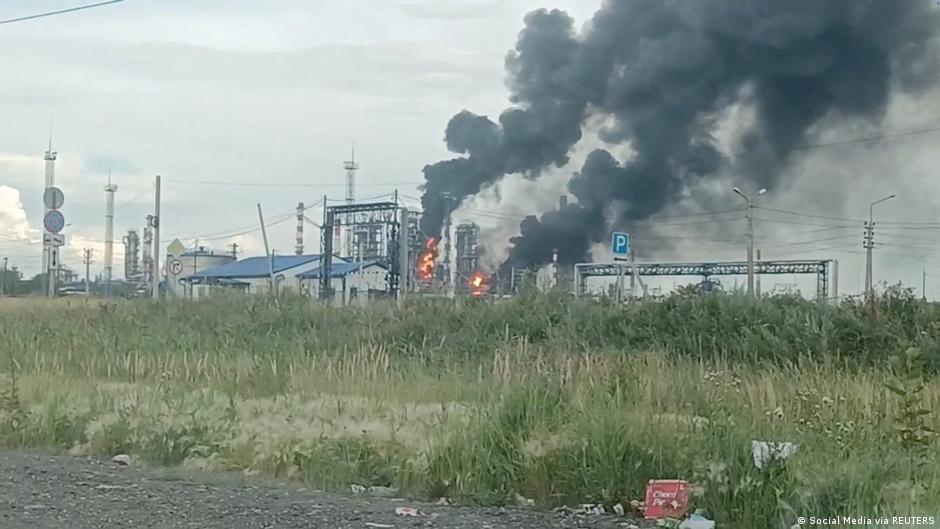
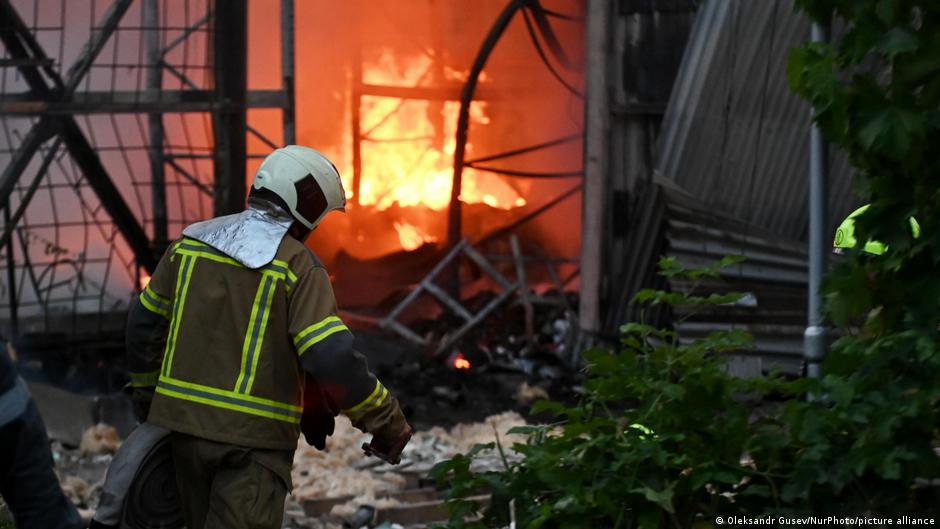
In a significant development impacting global energy markets and associated equities, the Saratov oil refinery in Russia has ceased operations indefinitely following damage sustained from Ukrainian drone attacks. The incident underscores ongoing vulnerabilities in Russian oil infrastructure amid geopolitical tensions and is expected to influence market dynamics, particularly within energy stocks and related sectors.
Impact on Russian Oil Production and Market Implications
The Saratov oil refinery, operated by Rosneft, was struck by Ukrainian unmanned aerial vehicles (UAVs), resulting in damage to its primary distillation unit CDU-6. This unit was responsible for processing up to 20,000 tons of crude oil daily, representing a critical component of the refinery's capacity. The loss of this facility contributes to a cumulative shut down affecting at least 13 Russian refineries in the first half of 2026, leading to a reduction of approximately 25% in Russia's oil refining capacity and a 30% decline in gasoline and diesel fuel output.
Governor Roman Busargin of the Saratov region confirmed damage to civilian infrastructure but refrained from providing detailed operational data. The Ukrainian General Staff has publicly claimed responsibility for targeting the refinery, marking another episode in a series of attacks since the escalation of the Russia-Ukraine conflict.
"The compounding hits to Russia’s refining infrastructure are tightening domestic fuel supplies, prompting emergency measures and strategic shifts within the sector," industry analysts noted.
As a consequence of these disruptions, the Russian fuel shortage has reached a critical level, impacting approximately 50 million citizens or roughly 35% of the nation's population. Local authorities in multiple regions have imposed gasoline sales restrictions, while the federal government has enacted export bans on diesel fuel until at least July 31, 2026, aiming to stabilize the domestic market.
Wall Street Sector Rotation and Equity Trading Volume Effects
From a Wall Street perspective, these developments are catalyzing sector rotation within energy and industrial stocks. Reduced Russian refining output may shift global crude oil supply-demand balances, potentially benefiting alternative energy producers and oil companies with diversified refining locations outside Russia. Increased volatility and trading volumes are observed in energy equities, as investors reassess risk exposures linked to geopolitical instability.
Vice Premier Alexander Novak reported that Russian refining firms are maximizing output by accelerating repairs, postponing planned maintenance, and leveraging smaller refineries to alleviate supply constraints. However, the prolonged downtime at major sites like Saratov and the Moscow-area Kapotnya refinery—expected offline at least until December—suggests sustained pressure on fuel availability and pricing.
Equity research houses are adjusting forecasts for companies with significant Russian exposure, factoring in production bottlenecks and regulatory constraints. These adjustments influence investor sentiment, with a noted pivot towards more resilient or non-Russian energy assets.
Market participants are advised to monitor developments closely as refinery operational statuses evolve and as policy responses from Russian authorities may further affect trade flows and stock valuations. The nexus between geopolitical conflict and energy sector performance remains a critical area for both strategic investment decisions and broader economic analysis.