Drone Attacks in Russia and Ukraine Impact Regional Stability and Market Sentiment
Recent drone strikes in Russian border regions and Ukrainian counterstrikes affect local infrastructure and investor confidence.
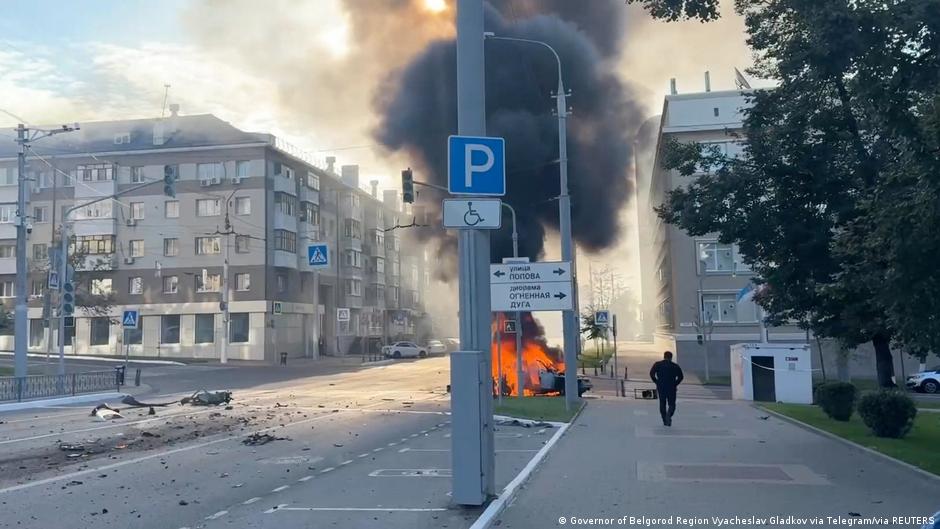
In the latest escalation along the Russia-Ukraine border, drone attacks by Ukrainian forces on Russian regions have resulted in civilian casualties and infrastructure damage, while Russian military strikes target Ukrainian territories. These developments are influencing market dynamics, particularly in sectors related to defense, regional infrastructure, and energy.
Regional Impact and Market Implications
According to regional authorities, the Belgorod area experienced a significant drone attack overnight on July 27, resulting in 12 civilian injuries, including two children. Several apartments and vehicles caught fire, and emergency services temporarily cut off utilities in affected multi-story buildings. Residents have been relocated to temporary shelters as some homes remain inaccessible.
"In two multi-story buildings, communications have been temporarily disabled, and some apartments remain inaccessible," confirmed the Mayor of Belgorod, Valentin Demidov.
Similarly, the Rostov region reported casualties following overnight shelling. The governor, Yuri Slyusar, confirmed the deaths of a married couple in Rostov-on-Don and injuries to five others.
On the Ukrainian side, the Russian military launched extensive drone and missile attacks targeting several oblasts, including Dnipropetrovsk, Sumy, Chernihiv, Zaporizhzhia, Kharkiv, and Kherson. Ukrainian Air Forces reported these strikes via official channels.
Sector Rotation and Trading Volumes
The intensification of cross-border hostilities has led to increased market volatility, with noticeable shifts in sector performance. Defense contractors and aerospace technology firms have seen elevated trading volumes as investors anticipate higher government spending on military equipment and border security.
Conversely, sectors tied to regional infrastructure and consumer services in affected areas face downward pressure due to concerns about operational disruptions and economic uncertainty. Energy stocks also experience mixed reactions, balancing potential supply risks against geopolitical developments.
Equity research analysts highlight that the ongoing conflict and associated civilian impacts contribute to risk premiums across certain asset classes, influencing portfolio reallocations towards safer or defense-oriented equities. Market watchers advise caution as further escalation could trigger broader sector rotations and liquidity changes.