Defense Stocks React as US Firms Fear Ukrainian Production of Patriot Missiles
Concerns over potential Ukrainian license for Patriot missile technology impact Raytheon and Lockheed Martin shares amid sector rotation.
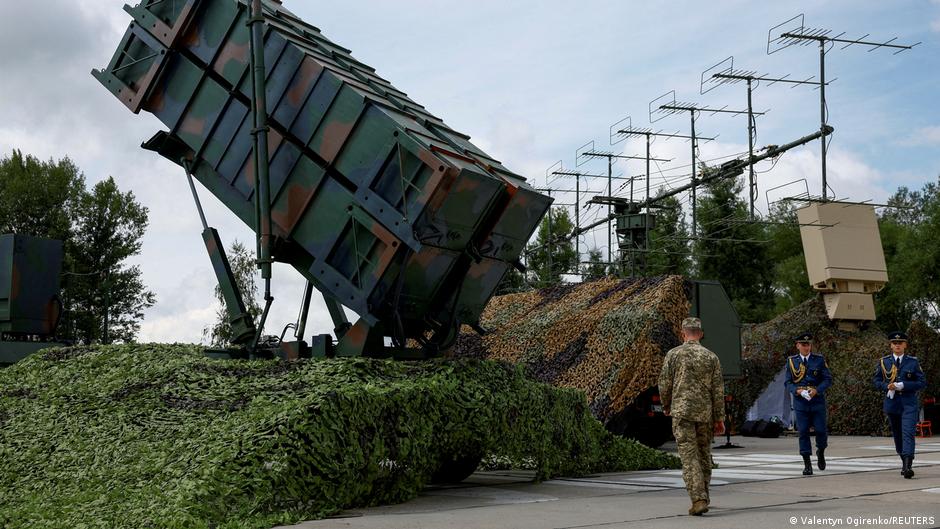
American defense giants Raytheon Technologies and Lockheed Martin are expressing apprehension about the possibility that Ukraine, if granted a license, could not only upgrade Patriot interceptor missiles but also mass-produce them more efficiently and cost-effectively than US manufacturing lines. This development, reported by a US Republican congressman, has raised alarms over intellectual property risks and technology transfer concerns.
Market Implications and Sector Dynamics
The prospect of Ukraine obtaining a license to locally produce and enhance Patriot missile systems has injected volatility into defense sector equities. Investors are closely monitoring stock performance and trading volumes, as the news could signal a shift in defense manufacturing and supply chain dynamics.
Raytheon and Lockheed Martin have built significant market capitalization on their exclusive production of the advanced Patriot missile systems. The potential for technology diffusion threatens to disrupt their competitive moat, sparking equity research debates about future revenue streams and margins.
"American defense companies officially cite concerns over intellectual property theft and technology transfer," noted the report, underscoring the gravity of the situation.
Meanwhile, the broader market is evaluating the potential geopolitical and economic impacts. Sector rotation towards or away from defense stocks depends on how these licensing issues evolve and whether they signal increased competition or collaborative enhancements.
Political Context and Licensing Challenges
Ukrainian President Volodymyr Zelensky has publicly highlighted the urgency of receiving Patriot missile licenses to bolster Ukraine's defense capability amid ongoing conflict. Zelensky emphasized that delays caused by bureaucratic processes contrast sharply with the immediate threat of incoming missile attacks.
Despite repeated requests during the Biden administration, licensing was not granted, with key US defense officials reportedly denying the proposals without clear explanations. Zelensky suggested that both US and European allies should expedite licensing to support Ukraine’s defense efforts.
Former US President Donald Trump expressed skepticism about supplying additional Patriot missiles, citing domestic stockpile depletion and accusing the Biden administration of exhausting US ammunition reserves through aid to Ukraine. Trump's statements add to the complex backdrop influencing defense procurement and stock market sentiment.
Equity Research Perspectives
Analysts are reassessing defense sector valuations given the new potential for technology transfer and manufacturing shifts. While the Patriot missile system is a cornerstone product, its potential decentralization could impact long-term earnings forecasts for Raytheon and Lockheed Martin.
Trading desks note increased volatility in defense stock volumes, reflecting investor uncertainty about licensing outcomes and geopolitical risk. Some equity research reports suggest that if Ukraine can produce missiles domestically, it might reduce US defense contractors’ market share internationally, affecting overall sector profitability.
Investors and portfolio managers are advised to monitor ongoing political developments and official statements closely, as these will likely dictate sector rotation patterns and trading strategies in the coming months.