Cyberattacks Linked to Russia Target Nearly 50 Global Firms Including Philips and GE
Cl0p hacking group claims data breaches at multiple major companies, raising concerns on market security and sector impacts.
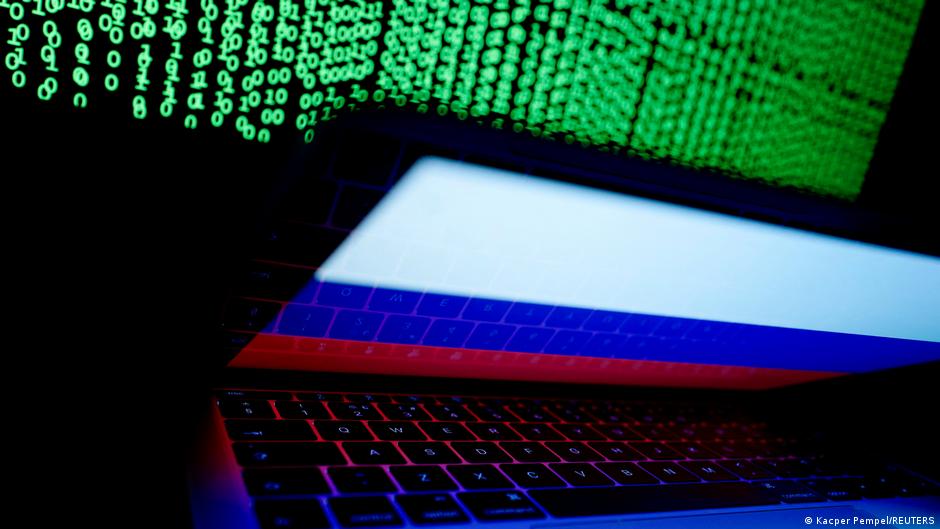
The hacking group Cl0p, reportedly associated with Russia, has claimed responsibility for breaching nearly 50 global companies, including key players such as Philips, Shell, Fiserv, and General Electric. This disclosure has amplified concerns over cybersecurity vulnerabilities within major sectors and their potential fallout on stock markets.
Market Implications and Sector Rotation
Cl0p's modus operandi involves exploiting software vulnerabilities to launch coordinated attacks on multiple corporate networks simultaneously. The affected companies span various sectors, including healthcare technology (Philips), energy (Shell), financial technology (Fiserv), and industrial conglomerates (General Electric). The breadth of impacted industries has sparked investor anxiety about potential disruptions in operational continuity and data integrity.
Philips confirmed detection and containment of a cyber threat linked to their internal corporate servers but assured that client systems remain unaffected. Similarly, Fiserv conducted an extensive investigation and found no evidence of compromised customer data, bank accounts, transactions, or personal information, nor any disruption to their fintech services.
Despite these reassurances, the cyberattacks have led to increased trading volumes in affected stocks, with investors closely monitoring equity research reports for any signals of long-term impact. Sector rotation towards perceived safer assets or companies with robust cybersecurity measures may intensify as market participants reassess risk.
"While definitive data on the breaches’ scope remain unverified, the risk of cyber intrusions is prompting heightened scrutiny across technology, finance, and industrial sectors," noted an equity analyst.
Reuters has been unable to independently confirm the specifics of the data allegedly stolen by Cl0p, and the hacking group has not responded to requests for comment. Various media outlets, including Politico, describe Cl0p as a Russian-speaking group with possible Kremlin ties, which aligns with recent trends of cyber threats originating from state-affiliated actors.
Recent history underscores the elevated threat level: in March, Dutch intelligence reported Russian cybercriminal efforts targeting messaging platforms Signal and WhatsApp, potentially compromising sensitive government and military communications. In April, German and U.S. agencies warned of attacks on government routers by the Fancy Bear group, linked to Russian military intelligence. Further, British officials experienced email hacks of government and critical infrastructure personnel in July, with stolen data circulated in darknet markets.
These cyber incidents have prompted regulatory responses, including sanctions imposed by the European Union and the United Kingdom in July against FSB-affiliated hacker groups.
Investors and market analysts will continue evaluating the ramifications of such cyberattacks on corporate earnings, regulatory costs, and overall market stability. The evolving security landscape could shape portfolio strategies, influencing sector rotations and liquidity trends on Wall Street.