Cuban Blackout Amid US Pressure Triggers Sector Concerns on Wall Street
Cuba’s nationwide power outage highlights risks for energy and emerging market stocks under US sanctions.
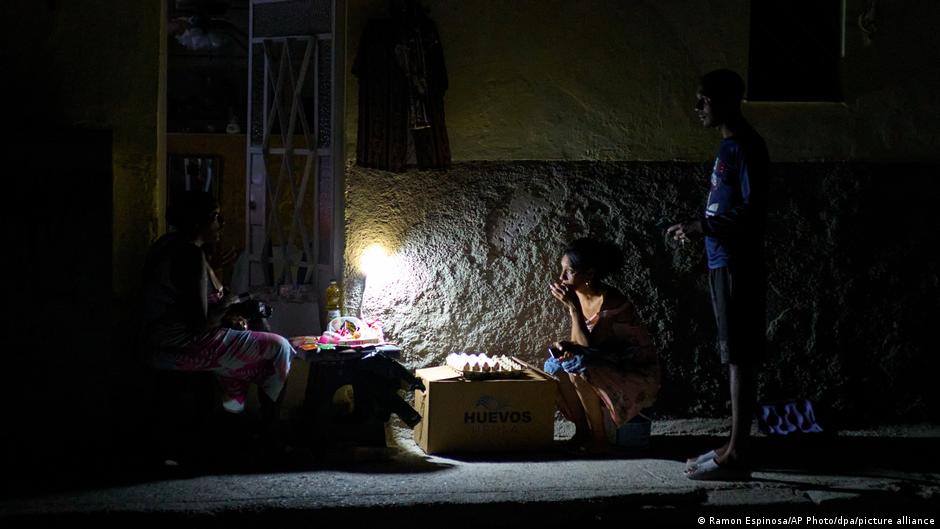
On July 6, Cuba experienced a complete nationwide power outage as its electrical grid failed amid escalating US economic sanctions. This latest blackout underscores intensifying challenges for the island's infrastructure and has drawn attention from Wall Street analysts monitoring energy and emerging market sectors.
Impact of Cuban Blackout on Market Sentiment and Sector Rotation
The Cuban state electrical operator, Unión Eléctrica, confirmed the total collapse of the grid and initiated restoration efforts. While the precise technical causes remain under investigation, the outage coincides with an increasingly stringent US embargo targeting Cuba's fuel supplies. The Trump administration’s sanctions have drastically reduced Cuba’s access to oil, a critical input given the country’s capability to meet only 40% of its fuel needs domestically.
Since January 2026, the US has allowed importation of crude oil to Cuba from only a single Russian tanker, delivering approximately 730,000 barrels by late March. These supplies were depleted by May, exacerbating energy scarcity and resulting in rolling blackouts that have repeatedly darkened the island nation over recent months.
“The American blockade has significantly worsened Cuba’s chronic electricity shortages, affecting a population of around 10 million,” noted analysts at Bloomberg.
In response, Cuba initiated its largest economic reforms in over six decades in June 2026, proposing nearly 200 market-oriented changes aimed at mitigating the energy crisis and persuading Washington to lift fuel restrictions. However, diplomatic negotiations remain stalled, with the US administration seeking a regime change in Havana.
The sustained outages and political tensions have caught the attention of equity research teams focusing on emerging markets and energy sectors. While direct Cuban stocks are limited due to the country’s economic structure and sanctions, investors are reassessing exposure to companies involved in regional energy supply chains, shipping, and commodities linked to crude oil trade routes.
Trading volumes in certain emerging market ETFs and energy commodity futures have seen increased volatility as traders price in potential ripple effects from the embargo and infrastructure instability. Sector rotation toward more stable energy producers and diversified commodities is being considered to hedge geopolitical risks.
Overall, the Cuban blackout serves as a stark reminder of how geopolitical tensions can sharply influence market dynamics, particularly within sensitive sectors such as energy and emerging market equities.