Council of Europe Resolution on Georgian Democracy Stirs Political Tensions and Market Reactions
PACE's critical resolution on Georgia's democratic backsliding impacts investor sentiment and sector-specific equities amid geopolitical concerns.
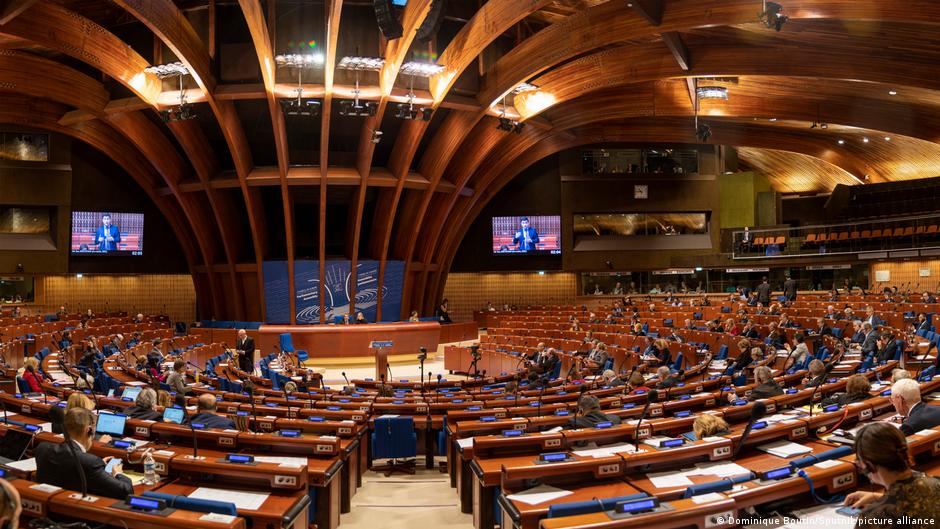
On June 24, the Parliamentary Assembly of the Council of Europe (PACE) adopted a resolution sharply criticizing the state of democracy in Georgia. The resolution urges Georgian authorities to halt the persecution of opposition figures, repeal repressive legislation, and ensure free and democratic elections.
Supported by 83 members, opposed by 5, and with 4 abstentions, the resolution highlights ongoing democratic backsliding marked by suppression of civil society, political opposition, and dissent, despite prior recommendations. It calls on Tbilisi to reverse these trends to comply with international democratic norms.
Political Developments Trigger Market Sensitivities
Georgia's political environment has drawn increased scrutiny from European institutions, raising concerns among global investors about governance risks. The resolution not only condemns domestic policies like repressive laws and alleged police violence but also underscores Georgia’s obligations under the European Court of Human Rights and OSCE guidelines.
"PACE expresses deep concern over the continued democratic regression in Georgia, emphasizing the need to restore democratic principles through dialogue," the resolution states.
These developments have reverberated in financial markets, particularly affecting Georgian equities and sectors tied to political stability such as banking, telecommunications, and infrastructure. Traders have observed increased volatility and higher trading volumes in Georgia-exposed instruments, reflecting elevated geopolitical risk premiums.
Sector rotation has been notable, with investors reallocating capital away from domestically focused stocks toward more internationally diversified enterprises or safer regional assets. Equity research reports emphasize the importance of closely monitoring political risk metrics and regulatory changes that could impact market fundamentals.
Meanwhile, Georgia's Parliament Speaker Shalva Papuashvili condemned the PACE resolution as "anti-Georgian," accusing the Council and the European Parliament of disregarding Georgia's sovereignty. He argued that the resolution dismisses the legitimate mandate of the ruling Georgian Dream party, elected in 2024, and perpetuates demands for new elections. This political friction has further complicated investor confidence and market outlooks.
As political tensions persist, market participants are advised to integrate governance and geopolitical assessments into their investment decisions, recognizing that evolving democratic governance will remain a key factor influencing Georgia's economic trajectory and equity valuations.
In summary, the PACE resolution marks a significant moment in Georgia’s political landscape, with tangible impacts on Wall Street’s view of regional stability and risk. Investors should stay abreast of developments affecting legislative reforms, human rights compliance, and international relations to better navigate the associated market dynamics.