Bulgaria to Veto New EU Sanctions on Russia, Raising Concerns for Energy and Transport Stocks
Bulgarian Prime Minister announces veto on EU sanctions package against Russia, citing risks to local economy and key sectors.
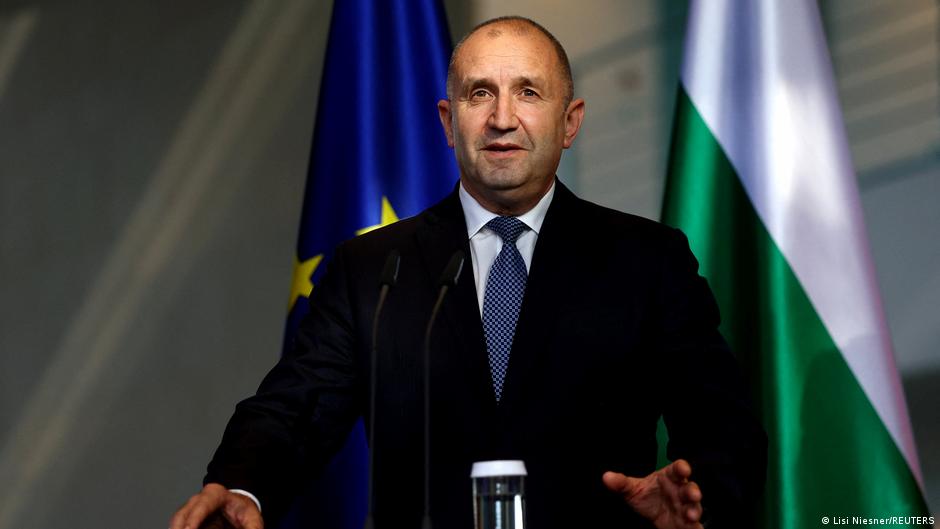
Bulgaria’s Prime Minister Rumen Radev declared on June 18 that the country will veto the European Union’s new sanctions package targeting Russia. The decision highlights concerns about the potential negative impact on key sectors of Bulgaria’s economy, including energy and transportation.
Impact on Energy Sector and Market Implications
Radev specifically emphasized the risks posed to the operations of Lukoil, one of Bulgaria’s largest fuel retailers and owner of the country’s only oil refinery located in Burgas. “There is a significant risk to Lukoil’s activities. We want the company to be removed from the sanctions list,” Radev stated ahead of the EU session in Brussels.
Lukoil’s exposure to sanctions could disrupt fuel supplies in Bulgaria, potentially affecting local energy stocks and related service providers. This development has drawn attention from equity researchers analyzing sector rotation trends, as investors weigh the risk of supply-chain interruptions against geopolitical developments.
Additionally, Radev raised concerns regarding potential shortages in spare parts for Sofia’s metro system and fertilizer supplies, both of which could have broader economic implications. Such disruptions could influence trading volumes in transport infrastructure and agricultural sectors, prompting cautious positioning among market participants.
“How have these sanctions stopped the war so far? And how have they helped establish peace?” Radev questioned, underscoring skepticism about the sanctions’ efficacy.
While Bulgaria supports Ukraine’s EU accession talks, the veto signals a nuanced stance within the bloc, reflecting diverging economic interests and political considerations.
Broader EU Sanctions Context and Market Reactions
The EU expanded its sanctions on June 15, adding 34 individuals and 47 entities linked to Russia’s military-industrial complex and oil exports, including companies involved in so-called "shadow fleet" oil exports. Among those added to the list were Lukoil-West Siberia and several firms based in Russia, Liberia, Turkey, UAE, Azerbaijan, and Hong Kong.
Notably, the sanctions also targeted prominent Russian media figures and religious leaders close to the Kremlin, including Anatoly Kuzichev and Metropolitan Tikhon, reflecting broader geopolitical and information warfare dynamics.
From a market perspective, the announced sanctions and Bulgaria’s veto could drive sector rotation as investors reassess exposure to energy, transport, and defense-related stocks within the EU and Eastern Europe. Increased trading volumes may reflect shifting sentiment amid uncertainty over sanction implementation and regional stability.
Equity analysts are closely monitoring the situation for signs of supply chain bottlenecks and potential regulatory changes that could affect valuations across affected sectors.