Black Sea Attacks Heighten Market Concerns Over Trade and Shipping Sector Impact
Russian strikes on Black Sea commercial vessels raise fears of supply chain disruptions and volatility in shipping and grain stocks on Wall Street.
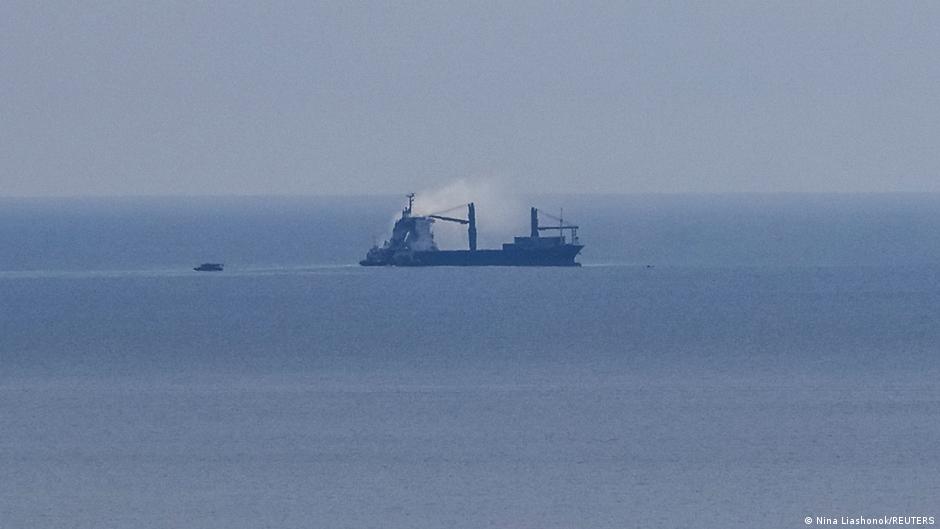
Recent attacks by Russia on commercial ships in the Black Sea have escalated concerns among global market participants about potential disruptions in trade routes and the wider impact on critical sectors, including shipping and agriculture. Ukraine has called for an urgent United Nations Security Council meeting to address the situation, warning of "economic and humanitarian terror" affecting international food security.
Market Implications and Sector Outlook
Ukraine’s Foreign Minister Andriy Sybiha announced that Kyiv requested an emergency Security Council session for July 27 to discuss the ongoing assaults on civilian vessels in the Black Sea. These attacks threaten vital maritime trade corridors that underpin the export of grain and other commodities. Traders and equity analysts are closely monitoring the situation, as interruptions to Black Sea shipping lanes could reverberate across global commodity markets and related equity sectors.
"If this terror continues, millions of families in Africa, Asia, the Middle East, and Latin America may face rising prices and hunger," Sybiha warned, highlighting the broader humanitarian and economic stakes.
Wall Street has observed increased volatility in stocks related to shipping logistics and grain exporters. Companies involved in maritime freight, port operations, and agricultural exports are vulnerable to supply chain shocks. Some investors are rotating out of riskier transport equities into sectors perceived as safer amid geopolitical uncertainty.
Furthermore, Ukraine’s Ministry of Infrastructure confirmed that the Black Sea port of Chornomorsk remains operational, maintaining the Ukrainian maritime corridor. However, no vessels reportedly passed through the corridor on July 22, underscoring the fragility of the current trade flow. Market participants are assessing how prolonged disruptions might influence trading volumes and revenue forecasts for shipping companies publicly listed on US exchanges.
Russia has accused Ukraine of using civilian cargo vessels to transport military equipment, adding complexity to the maritime security narrative. Ukrainian drone forces claim to have struck numerous vessels believed to be part of Russia’s "shadow fleet" in both the Azov and Black Seas, intensifying the maritime conflict.
Diplomatic engagements between Ukraine, Germany, and Estonia aim to coordinate maritime security and defense cooperation. Discussions include strengthening Ukraine’s air defense, bolstering industrial collaboration, and enhancing European security frameworks, factors that could influence defense sector equities.
Equity Research Perspectives
Equity analysts emphasize the importance of monitoring geopolitical developments in the Black Sea region, noting that extended hostilities could lead to increased insurance premiums for shipping companies and elevated operational costs. The potential for supply constraints in global grain markets may also drive commodity price fluctuations, impacting agribusiness revenues.
Investors are advised to closely track shipping volumes, port activity data, and official diplomatic statements to recalibrate risk assessments and portfolio allocations accordingly. Sector rotation could favor companies with diversified logistics networks and those less exposed to Black Sea transit routes.