Belarus Advises Citizens to Avoid Travel to Russia Amid Drone Attacks Near Border
Security concerns over drone strikes on buses carrying Belarusian nationals prompt government travel warnings.
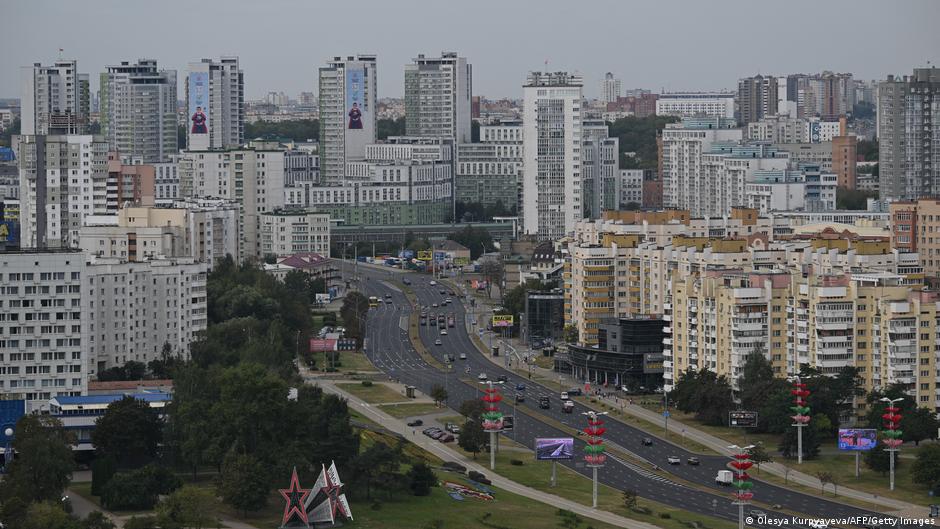
The Belarusian government has issued a cautionary advisory urging its citizens to refrain from traveling to Russia, especially to border regions, due to ongoing security risks linked to the conflict in Ukraine. Alexander Volfovich, Secretary of the Belarusian Security Council, emphasized the dangers posed by drone attacks in these areas and stated that until the war in Ukraine concludes, no one can guarantee safe passage.
Impact of Regional Conflict on Cross-Border Travel
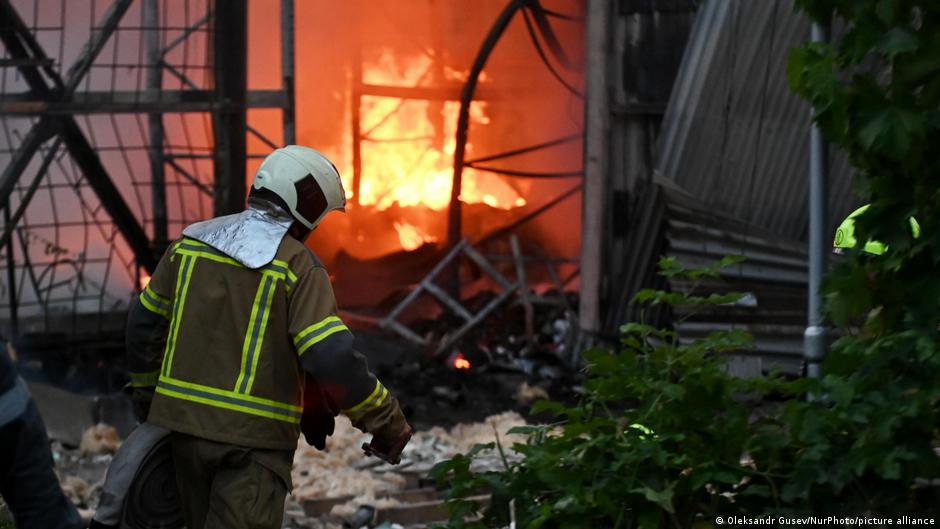
Volfovich's warning followed recent incidents where drones targeted buses transporting Belarusian civilians in the Bryansk region of Russia. Notably, these attacks have involved buses carrying private travelers, including families and children, on leisure trips to locations such as the Black Sea resort of Anapa.
"We have warned repeatedly. President has asked Belarusians to avoid trips to Russia’s border areas where drones fall daily and incidents occur," said Volfovich.
One of the most tragic incidents occurred on June 17, when a drone struck a bus carrying a Belarusian children’s football team traveling from Gomel to Gelendzhik, resulting in one fatality and multiple injuries, including among children. Both Belarus and Russia have blamed Ukraine for the attacks, demands for clarifications have been directed to Kyiv, which denies any involvement and calls such claims Kremlin propaganda.
Market Implications: Sector Sensitivities and Equity Outlook
These developments contribute to heightened geopolitical tensions affecting market sentiment, particularly impacting stocks of airlines, travel and leisure companies with exposure to Eastern European routes. The advisories and incidents may lead to reduced travel volumes and consumer confidence in cross-border travel sectors. Investors could anticipate sector rotation away from travel-related equities linked to the region toward more defensive or geographically diversified assets.
Trading volumes in stocks connected to regional transportation and tourism services might see increased volatility as market participants weigh the risk of further escalations. Equity research is likely to adjust earnings forecasts downward for companies reliant on Russia-Belarus travel corridors, while increasing scrutiny on political risk factors.
Additionally, energy and defense sectors could experience indirect effects due to shifting geopolitical dynamics, as the conflict draws international attention and may influence sanctions or supply chain considerations.
Outlook
For investors, the situation underscores the importance of monitoring geopolitical risk factors in equity valuations. The ongoing conflict and related civilian safety concerns add layers of uncertainty influencing market movements, particularly in sectors tied to Eastern European travel and logistics.
With no clear resolution to the conflict in sight, advisories like that of Belarus's Security Council may persist, maintaining pressure on affected sectors and shaping investor strategies in the near term.