Ballistic Missile Test Alerts by Over 40 Nations Raise Market Concerns on Security and Sector Impacts
More than 40 countries call for mandatory 24-hour notification of ballistic missile tests, highlighting geopolitical risks affecting market sectors.
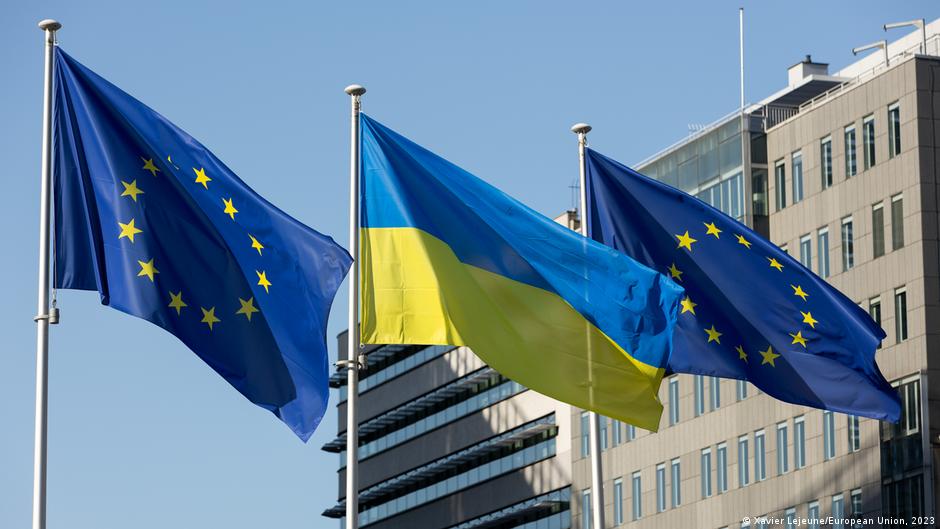
Over 40 nations, including key players such as the United States, South Korea, and Japan, have issued a joint statement urging countries to provide at least 24 hours' advance notice prior to conducting ballistic missile tests. This move aims to reduce security risks and enhance international trust amid rising geopolitical tensions.
Geopolitical Developments and Market Implications
The coordinated call addresses concerns over unannounced missile launches that threaten global peace and security. The statement specifically targets intercontinental ballistic missiles (ICBMs), submarine-launched ballistic missiles (SLBMs), and carrier rockets, emphasizing transparency without restricting military capabilities.
"Ordered, transparent notification mechanisms do not constrain military development or operational needs but reduce the risk of miscalculations and strengthen trust," the joint declaration states. The requirements include providing details on missile class, launch location, and intended trajectory.
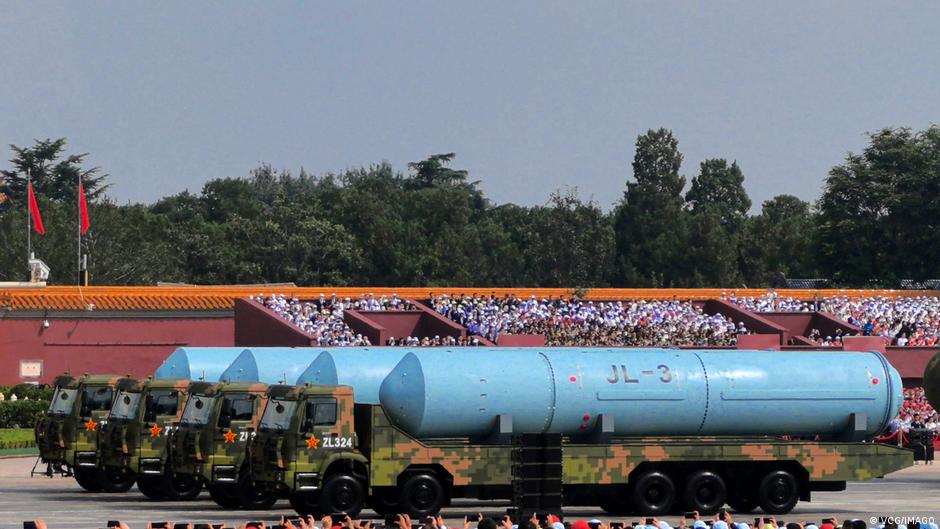
Recent incidents in the Pacific Ocean, notably a July test involving China’s nuclear submarine-launched strategic missile, have underscored these concerns. China reportedly informed only a few countries just before the launch, violating agreed standards and heightening regional tensions.
Meanwhile, North Korea’s continued missile activity remains a significant source of instability. On August 12, sources from Tokyo and Seoul reported at least one ballistic missile launch from North Korea’s eastern coast, marking its 11th such test this year. The missile reportedly reached an altitude of approximately 90 kilometers and fell within 700 kilometers from launch, according to the Japanese Defense Ministry.
South Korean military forces have responded by intensifying surveillance and readiness for potential further launches, reflecting ongoing volatility in the region.
Market Reaction and Sector Rotation
Wall Street's equity markets have shown sensitivity to these geopolitical developments, with increased trading volumes observed in defense sector stocks. Firms involved in missile defense systems, aerospace, and cybersecurity have experienced notable gains, reflecting investor interest in companies positioned to benefit from heightened security expenditures.
"Investors are recalibrating portfolios to account for elevated geopolitical risks, driving rotation into defense and technology equities," noted an equity research analyst.
Conversely, sectors reliant on stable international trade and economic cooperation, such as industrials and consumer discretionary, have seen cautious trading patterns amid uncertainty. This dynamic is prompting portfolio managers to assess risk exposures carefully, adjusting allocations accordingly.
Market watchers advise continued monitoring of missile test announcements and diplomatic responses, as further escalations could influence risk sentiment and sector performance.
In this context, the global call for transparent missile test notifications serves not only as a diplomatic measure but also as a key factor shaping investor behavior and market dynamics in security-sensitive sectors.