US to Cut Troop Presence in Germany by 5,000, Impacting Defense Stocks and European Sector Rotation
Pentagon orders withdrawal of 5,000 troops from Germany within a year, prompting shifts in defense equities and market trading volumes.
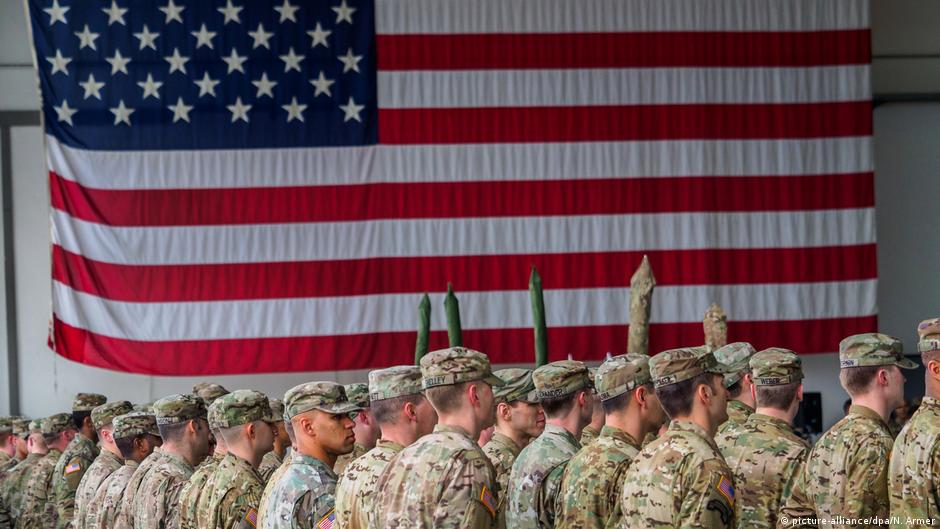
The United States Department of Defense has announced plans to reduce its military presence in Germany by approximately 5,000 troops within the next 12 months, according to recent Pentagon data. Currently, more than 35,000 American soldiers are stationed in Germany, the largest U.S. military contingent in any European Union country.
The decision, ordered by U.S. Secretary of Defense Pete Hegseth, follows a comprehensive review of American troop deployments across Europe. "We anticipate that the troop withdrawal will be completed within six to twelve months," stated Pentagon spokesperson Sean Parnell. The move considers operational requirements and local conditions at deployment sites.
Wall Street Reacts: Defense Stocks and Sector Rotation
Market participants are closely monitoring the troop reduction announcement due to its potential impact on defense industry stocks and broader sector dynamics. Shares of major U.S. defense contractors with significant European exposure, such as Lockheed Martin, Raytheon Technologies, and Northrop Grumman, have shown modest declines in early trading sessions, reflecting investor concerns over reduced military spending overseas.
Analysts at several equity research firms have adjusted their outlooks, citing potential delays or scale-backs in European defense contracts and logistics support operations tied to the U.S. presence. However, some strategists suggest that budget reallocations could drive increased domestic investments, potentially offsetting international pullbacks.
Moreover, sector rotation trends indicate a shift from defense and aerospace stocks toward technology and energy sectors, as traders reassess geopolitical risk premiums and anticipate evolving government spending priorities.
"While the troop drawdown signals a recalibration of U.S. defense posture in Europe, the overall implications for defense equities will depend on subsequent policy decisions and Congress's stance on military funding," noted a market strategist specializing in defense equities.
Trading volumes in defense-related ETFs have spiked following the announcement, highlighting elevated investor activity as market participants reposition portfolios in response to the news.
Geopolitical Context and Market Implications
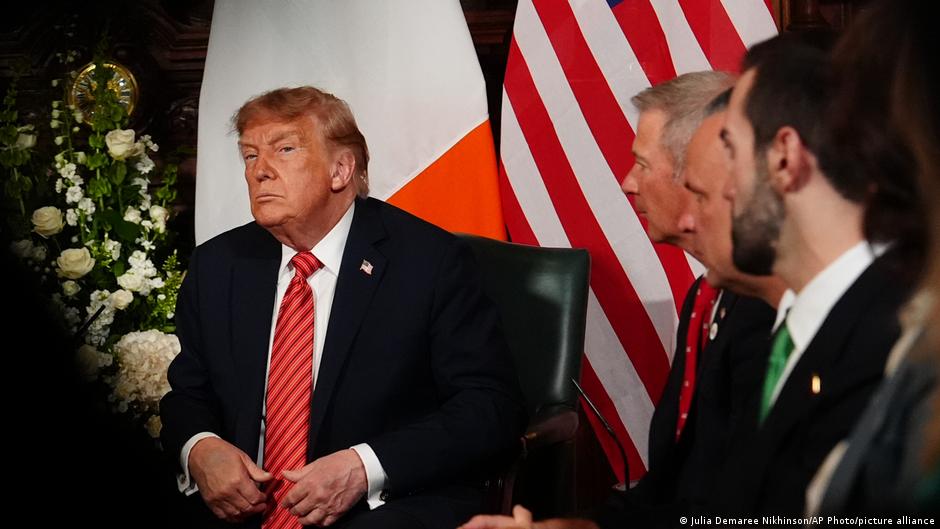
The troop reduction occurs amid heightened tensions between U.S. and German leadership, particularly following public disagreements between President Donald Trump and German Chancellor Friedrich Merz concerning Middle East policy and nuclear strategy. Although the German government has responded calmly, emphasizing continued transatlantic defense cooperation, uncertainty remains a key market driver.
Historically, troop levels in Germany have fluctuated significantly—from a peak of approximately 250,000 American soldiers during the Cold War in 1985 to modern-day figures. The current drawdown marks a notable strategic shift, with potential ripple effects across defense contracting, European security architecture, and allied military logistics.
Market watchers will be assessing Congressional measures that could limit or influence the pace of troop withdrawals, given past legislative restrictions on executive military redeployments in Europe.
As the situation evolves, investors are advised to monitor ongoing developments closely, particularly regarding defense budget allocations, transatlantic diplomatic relations, and sector-specific earnings reports in the coming quarters.