Russian Military Strikes Multiple Ukrainian Regions: Market Response and Sector Impact
Renewed Russian attacks on Ukraine's infrastructure and cities raise concerns over energy and defense stocks amid increased trading volumes.
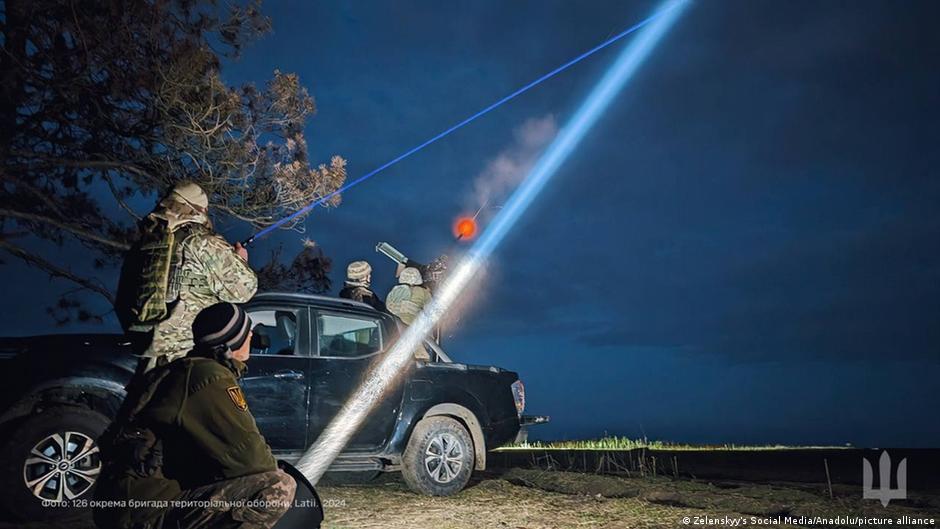
On the night of May 2, Russian forces launched a series of attacks across several Ukrainian regions, including Mykolaiv, Kharkiv, Kherson, and Sumy. The strikes targeted critical infrastructure, notably energy facilities and urban centers, escalating tensions that have drawn attention from global financial markets and investors.
Impact on Key Sectors and Stocks
The renewed military offensive has heightened volatility on Wall Street, particularly affecting energy, defense, and regional infrastructure-related stocks. Shares of companies involved in energy transmission and utilities, such as those exposed to Eastern European operations, faced downward pressure due to concerns over potential supply disruptions. Simultaneously, defense contractors and cybersecurity firms saw increased trading volumes as investors anticipate heightened demand for military equipment and security services.
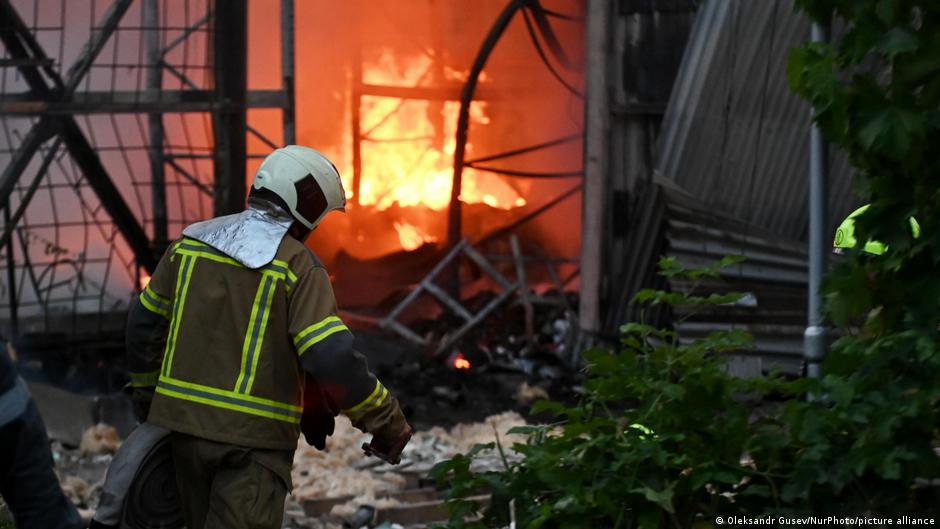
Specifically, the nighttime drone strike on Mykolaiv's energy infrastructure signaled a direct threat to power supply stability in the region, exacerbating fears of broader energy disruptions. Meanwhile, the attacks on residential areas in Kharkiv, where a drone narrowly missed detonating inside a multi-story building, underscored the escalating human costs and contributed to market risk aversion.
“The effectiveness of Ukrainian air defenses has mitigated some damage, but the persistence of drone attacks signals a sustained campaign that could influence investor sentiment and sector rotation,” noted an equity research analyst monitoring emerging market risks.
In Sumy and Kherson, repeated explosions and drone incursions maintained a high-alert environment. Ukrainian air forces reported ongoing drone movements targeting Chernihiv, Zaporizhzhia, Odessa, and surrounding areas, suggesting a broadening geographical focus of attacks which may impact regional trade and logistics companies listed on international exchanges.
Port infrastructure in Izmail experienced targeted strikes, but local air defense claimed to have intercepted most drones, minimizing physical damage. Nonetheless, insurance and shipping stocks with Eastern European exposure may be recalibrating risk premiums following these events.
The western city of Ternopil suffered the heaviest drone attack, with more than 50 Shahed drones deployed and over a dozen civilians injured. These intensified strikes are likely to influence Ukrainian reconstruction sector equities and humanitarian-related funds as the need for rebuilding and aid escalates.
Market Volumes and Sector Rotation
Trading volumes surged across affected sectors as investors reassessed risk and adjusted portfolios. There was a notable rotation from energy and infrastructure stocks toward defense contractors and technology firms specializing in drone and counter-drone systems. Analysts highlight that while near-term market reactions are negative, longer-term demand for security and defense-related products could bolster these stocks.
Local officials reported nearly 50 separate strikes in the Nikopol and Kryvyi Rih districts within the Dnipropetrovsk region, resulting in injuries and infrastructure damage. These events contribute to a broader narrative of regional instability, which is factored into equity research models assessing Eastern European market exposure.
Overall, the ongoing military engagements have introduced heightened uncertainty into equities linked to Ukraine and its neighboring markets. Investors are closely monitoring subsequent developments for signals on further escalation or stabilization, which will guide future sector allocations and trading strategies.