Iran's 14-Point Peace Plan Sparks Uncertainty on Wall Street Amid Middle East Tensions
Iran delivers a detailed peace proposal to the US, but President Trump doubts its acceptance as the conflict's resolution remains elusive.
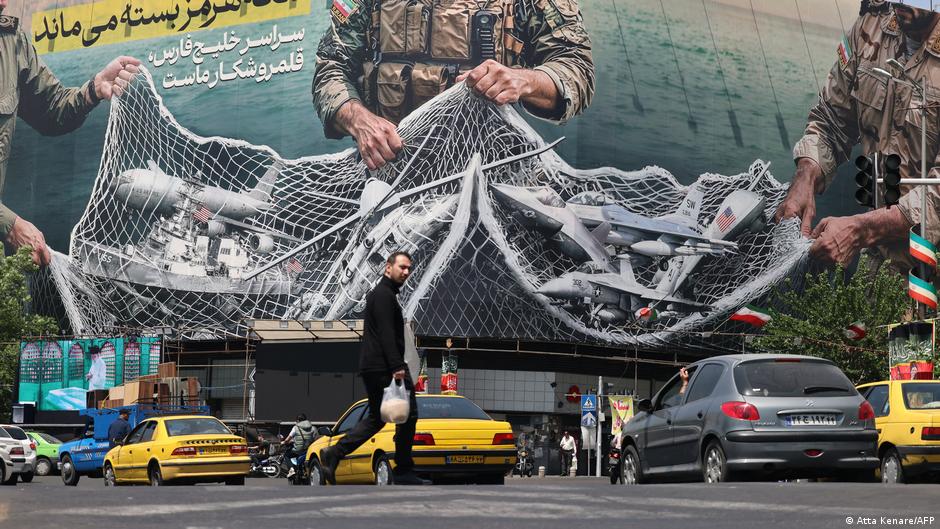
Iran has forwarded a comprehensive 14-point peace plan to the United States outlining Tehran's key conditions for ending the ongoing Middle East conflict. This move adds a new dimension to the geopolitical tensions that have been influencing market sentiment and sector rotation on Wall Street.
Market Implications of Iran's Peace Proposal
The peace plan, revealed by Iranian news agencies, responds to a previous US proposal consisting of nine points that suggested a two-month ceasefire. Iran, however, insists on resolving all issues within a month, emphasizing a conclusive end to hostilities rather than a temporary truce. Key Iranian demands include guarantees against US aggression, full American troop withdrawal from border areas, lifting of the naval blockade, unfreezing of Iranian assets, reparations, sanctions relief, and an end to regional combat activities including Israeli attacks on Lebanon.
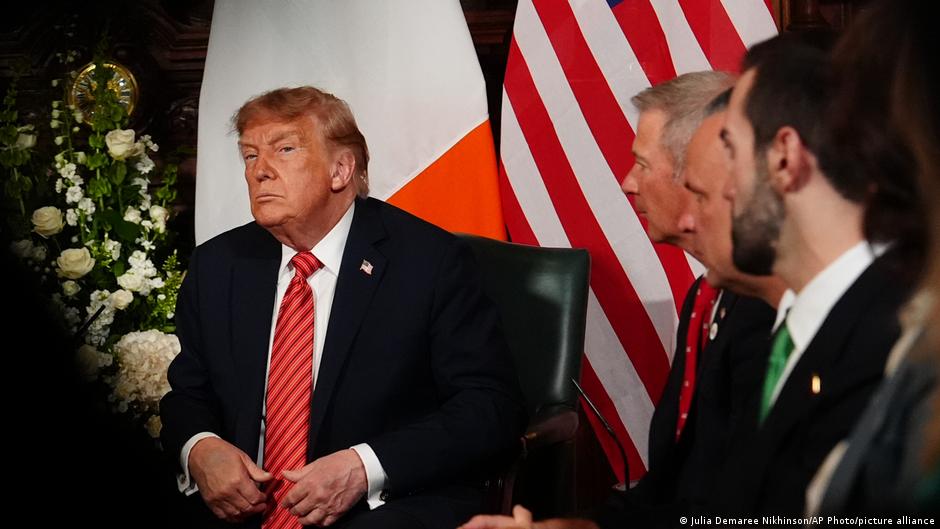
President Donald Trump has expressed skepticism about the proposal's acceptability. While confirming receipt of the new plan, he indicated that he doubts it will meet US expectations, stating on social media that Iran has yet to pay a sufficient price for its actions over the past 47 years. This uncertainty has contributed to volatility in sectors sensitive to geopolitical risks, notably energy and defense.
"I can't imagine that it will be acceptable, as they have not paid enough for what they have done to humanity and the world over the last 47 years," Trump commented on social media.
The conflict, which escalated with US and Israeli strikes on Iranian territory starting February 28, 2026, followed by Iranian retaliatory attacks, has maintained a tense regional standoff. Although a ceasefire was implemented in early April, efforts to reach a lasting resolution have stalled, with the strategic Strait of Hormuz remaining effectively blocked by Iranian forces and a US naval blockade continuing.
From a market perspective, this ongoing uncertainty has prompted a cautious approach among investors. Energy stocks, particularly those involved in oil extraction and shipping, have experienced heightened trading volumes amid concerns over potential supply disruptions through the Strait of Hormuz, a vital artery for global oil transport. Defense contractors and related sectors have also seen increased activity as investors weigh the prospects of sustained military engagement versus a diplomatic breakthrough.
President Trump's recent letter to Congress confirmed the cessation of active military operations but highlighted the persistent threat posed by Iran, signaling the possibility of prolonged economic and military pressure. This stance suggests continued sector rotation with defensive equities favored in the near term.
Furthermore, reports indicate preparations for a prolonged maritime blockade aimed at crippling Iran's oil exports, a strategy that could prolong volatility in global energy markets and impact related equities.
Equity research analysts are closely monitoring developments, noting that while a peace agreement would likely stabilize energy prices and reduce risk premiums on defense stocks, any breakdown in negotiations could trigger sharp market reactions. Investors should therefore remain vigilant of news flow from the Middle East as it continues to influence sector dynamics and trading volumes on Wall Street.
In summary, Iran’s 14-point peace plan introduces a new variable into an already complex geopolitical equation. The market’s reaction reflects both hope for de-escalation and caution due to unresolved issues and mutual skepticism between Tehran and Washington.