U.S. Strike in Gulf of Oman Puts Energy, Shipping Stocks Back in Focus
The disabling of a Panama-flagged cargo vessel and a separate tanker attack in the Strait of Hormuz sharpened market attention on oil, transport and defense names.
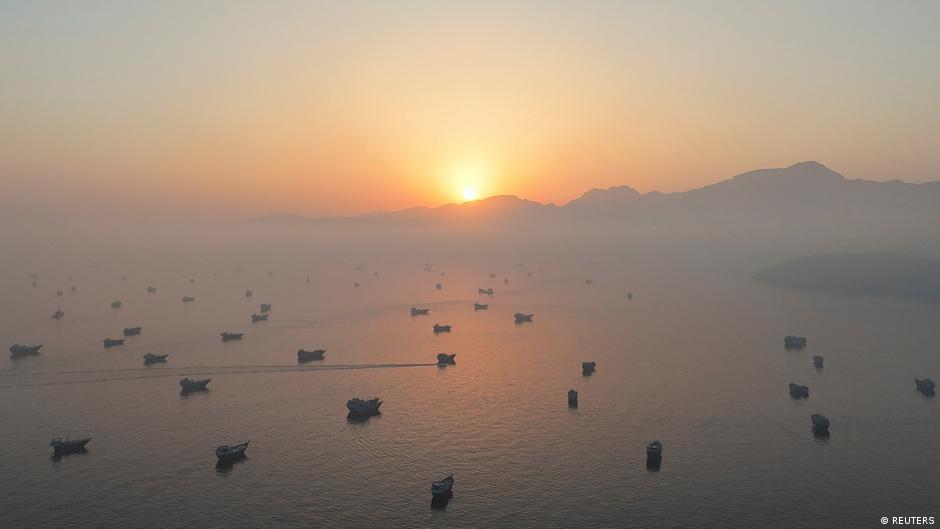
U.S. forces disabled a commercial cargo vessel in the Gulf of Oman on October 10 after its crew allegedly ignored repeated warnings and attempted to breach the active maritime blockade against Iran, according to U.S. Central Command. The incident adds a fresh geopolitical catalyst for Wall Street traders already tracking energy prices, tanker risk premiums, shipping routes and the broader equity impact of renewed disruption around the Strait of Hormuz.
CENTCOM said a U.S. Air Force fighter jet used a precision-guided munition to strike the stern of the M/V Ocean Molica, also known as the Arika Sun, a Panama-flagged commercial vessel that had previously departed an Iranian port. The strike fully disabled the ship’s propulsion system, while the crew was unharmed, the command said in a statement posted on X.
The development is likely to keep investor attention fixed on oil majors, refiners, tanker operators, marine insurers and defense contractors when markets assess the next phase of the confrontation. The article’s central market issue is not only the single vessel, but the cumulative pressure on a waterway that remains crucial to global energy flows and to equity sectors sensitive to fuel costs.
Crews have been advised to heed warnings related to the blockade.
Energy Risk Premium Returns to the Trade
CENTCOM forces resumed the American blockade on July 14 against all vessels entering or leaving Iranian ports. Over the past three months, four commercial vessels have been disabled and 135 vessels have been forced to turn around and change course, according to the command. During the same period, U.S. forces also destroyed 10 tankers linked to the shadow network of Iran’s Islamic Revolutionary Guard Corps.
For equity markets, those figures frame the blockade as a sustained operational campaign rather than an isolated maritime episode. That distinction matters for sector rotation. A prolonged disruption scenario tends to support attention on integrated energy companies, exploration and production firms, liquefied natural gas exposure and certain tanker operators, while raising input-cost concerns for airlines, logistics providers, chemicals companies, consumer discretionary names and industrial manufacturers with meaningful fuel sensitivity.
Fuel prices have already risen significantly in recent weeks against the backdrop of the war with Iran, according to the source material. That increase has added political pressure on Republicans roughly one month before the U.S. congressional midterm elections, at a time when recent polling cited in the source indicates their popularity among voters has declined. For investors, the political dimension matters because energy costs can influence consumer sentiment, inflation expectations and the tone of fiscal and regulatory debate in Washington.
The Gulf of Oman strike was not the only maritime incident reported. The United Kingdom Maritime Trade Operations organization said a tanker in the Strait of Hormuz had again come under fire. According to the captain, the vessel was hit on its port side by an unknown projectile, causing a fire. UKMTO said the crew was safe.
That separate report widens the market lens from U.S. enforcement of a blockade to the broader threat environment for commercial shipping. Tanker equities can react to perceived route risk and potential changes in day rates, while oil futures and energy-linked shares may respond to any evidence that flows through the Strait of Hormuz are becoming less predictable. At the same time, higher transport and insurance costs can become a margin issue for companies far beyond the energy complex.
Stocks to Watch Across Sectors
On Wall Street, the most direct watch list begins with energy producers and oilfield-services companies, followed by tanker operators and broader maritime logistics firms. Defense stocks may also draw interest because the incident involved a U.S. Air Force fighter jet and a precision-guided munition, reinforcing demand expectations around advanced weapons, surveillance, maritime security and regional force projection.
Equity research desks are likely to examine the event through several channels: the durability of the fuel-price move, the probability of further tanker attacks, the potential for wider military engagement, and the effect on inflation-sensitive sectors. Analysts may also consider whether the market reaction remains concentrated in crude-linked names or broadens into a more defensive rotation involving aerospace and defense, utilities, staples and other lower-beta areas.
The G7 context adds another layer for investors. On October 2, G7 leaders condemned Iran’s continuing attacks on neighboring countries, as well as actions they said violated international trade, energy security and the global economy. The group called for the immediate and full restoration of the rights and principles of navigation in the Strait of Hormuz and said it intended to strengthen collective efforts toward that goal.
For markets, that statement indicates that the shipping-security issue is no longer being treated as a narrow regional concern. It is being framed by major economies as a threat to trade, energy security and the world economy. That framing can influence sanctions expectations, military posture, maritime-security spending and investor assumptions about how long the risk premium may remain embedded in oil and shipping assets.
The immediate equity impact will depend on whether traders view the latest incidents as contained enforcement actions or as signs of a more volatile phase in the conflict. If fuel prices continue to climb, the pressure could spread from energy importers and transport companies to inflation-sensitive consumer stocks. If shipping lanes remain open and crews remain unharmed, markets may instead treat the event as another geopolitical shock that supports energy and defense names without triggering a broader risk-off move.
For now, the key market takeaway is that the blockade, the disabled M/V Ocean Molica and the reported tanker strike in the Strait of Hormuz have put geopolitical risk back near the center of the equity tape. Investors will be watching trading volumes in oil-linked shares, tanker operators and defense contractors for signs of whether the move is a short-term headline trade or the start of a deeper sector rotation.