US State Department Approves $373.6M JDAM-ER Bomb Kits Sale to Ukraine, Impacting Defense Stocks
Potential $373.6 million sale of advanced JDAM-ER kits to Ukraine may influence defense sector trading and equity outlooks amid ongoing conflict.
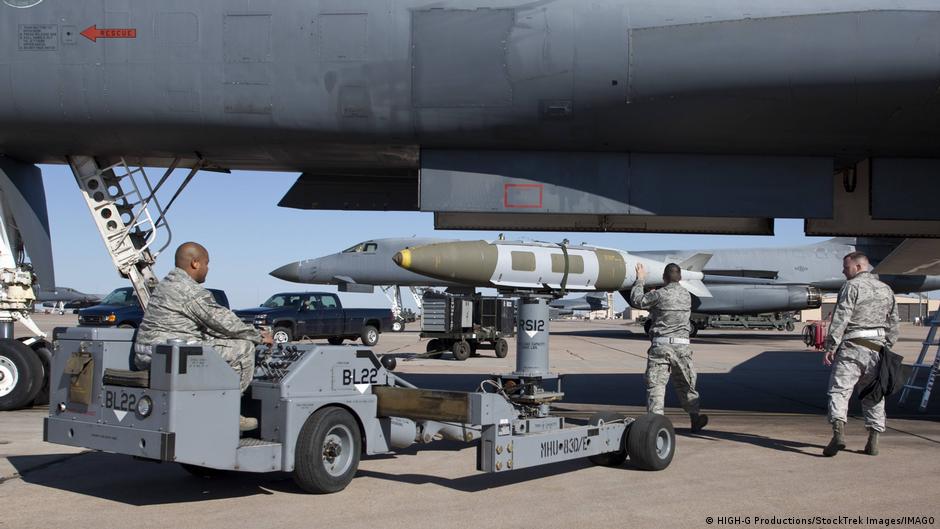
The U.S. State Department has approved a potential $373.6 million sale of Joint Direct Attack Munitions - Extended Range (JDAM-ER) kits to Ukraine. These aerodynamic tail kits significantly enhance the range and precision of conventional bombs by an additional 70 to 80 kilometers.
Ukraine requested the purchase of 1,532 JDAM-ER kits to improve their aerial strike capabilities. The deal includes maintenance equipment, spare parts, software, repair services, and logistics support. Boeing has been designated as the prime contractor responsible for production and delivery.
Market Implications and Sector Rotation
While the State Department's approval is a critical step, it does not guarantee immediate delivery. Final contract negotiations and manufacturing processes must still be completed before shipments commence. The announcement, however, has already drawn attention from investors in the defense sector.
"The authorization signals sustained U.S. commitment to strengthening Ukraine's air strike precision, which could fuel steady demand for defense contractors like Boeing," industry analysts note.
Previously, the U.S. supplied initial JDAM-ER kits to Ukraine in 2023, as part of a $1.85 billion aid package authorized during the first year of Russia’s full-scale invasion. However, some of these kits reportedly malfunctioned due to incorrectly installed fuzes and countermeasures from Russian electronic warfare disrupting GPS guidance systems.
Defense stocks, particularly Boeing, are likely to experience increased trading volumes as investors factor in the potential for continued government contracts and production ramp-up. Moreover, broader sector rotation toward aerospace and defense equities may accelerate, given geopolitical tensions and sustained military aid demands.
Equity research firms are monitoring these developments closely, revising outlooks for defense manufacturers based on the evolving geopolitical landscape and contract pipelines tied to Ukraine’s military modernization.
Overall, the State Department’s approval adds another dimension to Wall Street’s defense sector dynamics, with implications for specific equities, trading volumes, and investor sentiment amid ongoing global conflict.