US-Iran Negotiations Boost Market Sentiment Amid Sector Rotation on Wall Street
Positive developments in US-Iran talks influence market dynamics with increased trading volumes and shifts in sector performance.
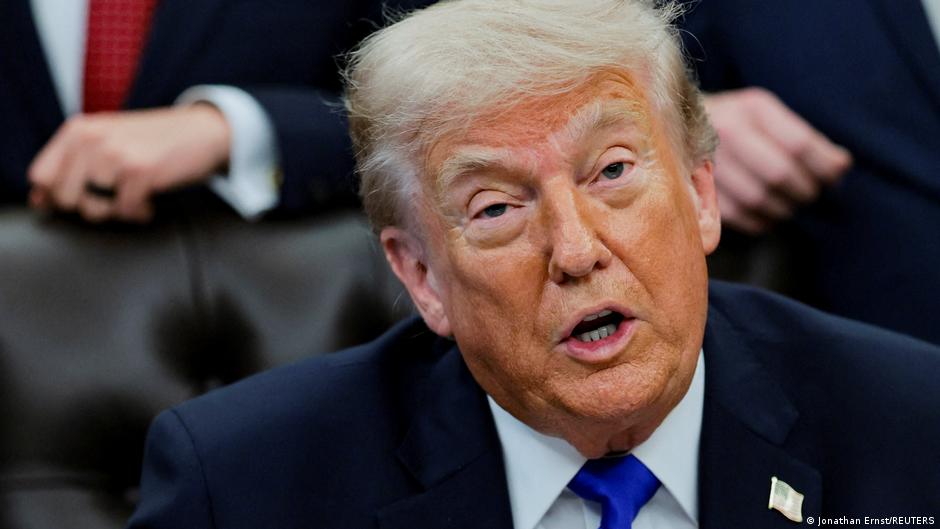
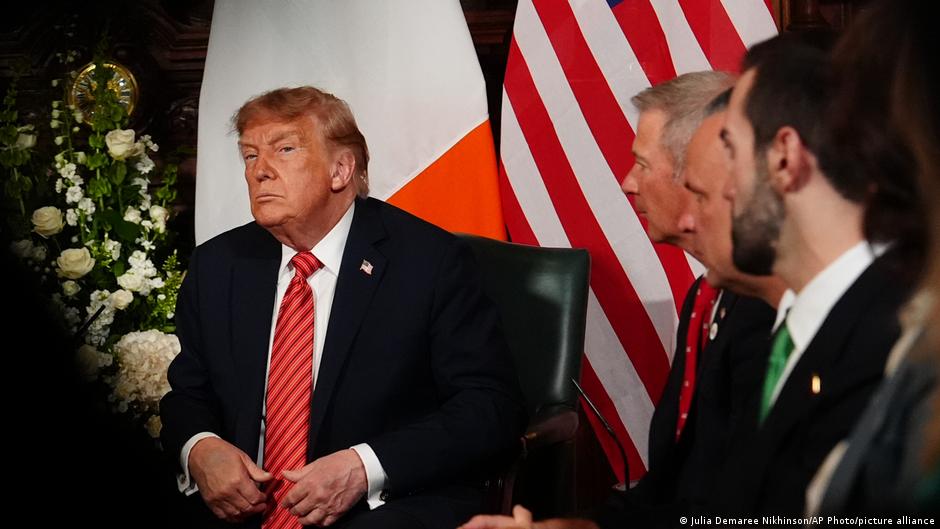
Recent statements by US President Donald Trump regarding the ongoing negotiations with Iran have injected renewed optimism into Wall Street markets. At a White House press conference on May 6, Trump noted that the United States and Iran have conducted "very good" negotiations and could soon reach an agreement to end their long-standing conflict.
Trump emphasized that Tehran has agreed to the primary US demand of abandoning its nuclear weapons development program. He added that while the deal is progressing well, the US is prepared to take stronger measures if an agreement is not reached. Despite the positive tone from Washington, Iranian officials have yet to publicly respond to these developments.
Market Impact and Sector Rotation
The prospect of de-escalation in US-Iran tensions has notably influenced trading activity and sector rotation on Wall Street. Investors have responded with increased trading volumes, particularly in sectors sensitive to geopolitical risks such as energy and defense.
Energy stocks, which had previously been volatile due to concerns over supply disruptions from the Strait of Hormuz, saw gains as the likelihood of a diplomatic resolution grew. Conversely, defense-related equities experienced mixed performance, with some investors anticipating diminished demand for military expenditure should tensions ease.
Moreover, the financial sector and industrials also benefited from the improved market sentiment as investors recalibrated risk assessments. The rotation into cyclical sectors reflects confidence in more stable international conditions, supporting broader economic growth prospects.
"Currently, things are progressing well, and we expect to secure the terms we seek. If not, we are prepared to take significant further steps," Trump stated, highlighting the delicate balance in negotiations.
Outlook from Equity Research
Equity research analysts have been closely monitoring developments in the US-Iran talks. Many have updated their outlooks to reflect the reduced geopolitical risk premium embedded in current valuations. Analysts suggest that sectors tied to global trade and energy supply chains stand to benefit the most from a potential resolution.
However, caution persists regarding the durability of any agreement, with ongoing negotiations expected over the coming 30 days. Analysts emphasize the importance of continuous monitoring of political developments which could influence market volatility.
According to reports citing White House sources, a one-page memorandum of understanding may be signed imminently, establishing a framework for further detailed agreements concerning the Strait of Hormuz, Iran's nuclear program, and the lifting of US sanctions. This potential milestone has contributed to the current market optimism.
In summary, the evolving US-Iran diplomatic engagement has material implications for Wall Street, affecting trading patterns, sector allocations, and investor sentiment. Market participants are advised to stay vigilant as the situation develops.