US Lifts Sanctions on Bel-Kap-Steel Amid Political Prisoner Releases in Belarus
Sanctions removal on Bel-Kap-Steel signals easing US measures on Belarusian industries amid diplomatic progress.
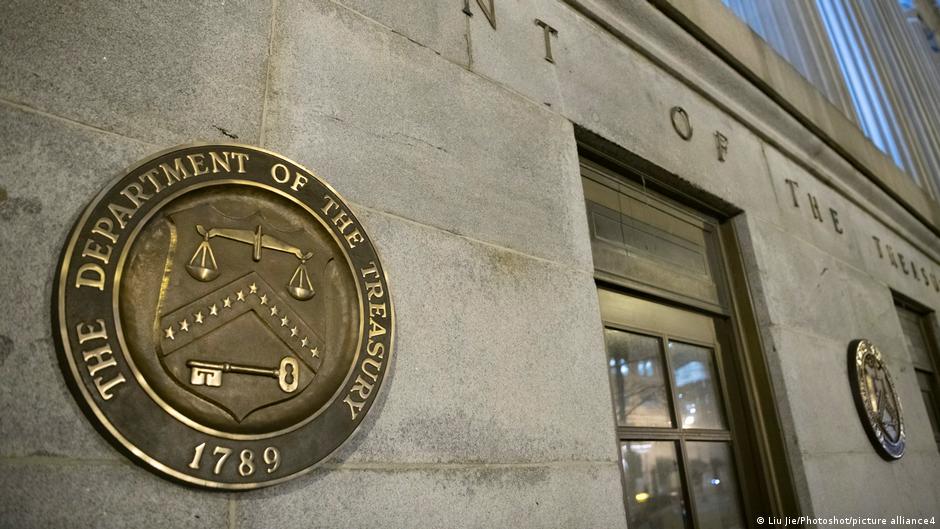
The United States has lifted sanctions against Miami-based company Bel-Kap-Steel, which operates a joint venture with Belarusian Metallurgical Plant (BMZ), a major Belarusian state-owned steel producer. The move by the US Treasury's Office of Foreign Assets Control (OFAC) on July 23 marks a significant shift in Washington's approach toward Belarus following recent political developments.
Impact on Markets and Sector Rotation
Bel-Kap-Steel was initially blacklisted alongside BMZ in August 2023 due to the company's role in generating significant revenue for the Belarusian government, which US authorities associated with the regime of President Alexander Lukashenko. The joint venture's delisting from the sanctions list coincides with a broader easing of US restrictions on Belarusian firms amid diplomatic efforts and the release of political prisoners in Belarus.
Financial markets are likely to respond to this regulatory change with shifts in the Belarusian industrial and financial sectors. The steel sector, where BMZ is a key player, may see increased investor interest and liquidity as sanctions uncertainties diminish. Equity research analysts will be monitoring trading volumes and stock performance of companies with Belarusian exposure, anticipating potential sector rotation toward industrials and materials stocks.
The relaxation also complements earlier US decisions to relieve sanctions on Belarus's financial institutions, including Belinvestbank and the Development Bank of Belarus, as well as key fertilizer producers such as Belaruskalij. These moves collectively indicate a gradual normalization of Belarus's access to international capital and trade, which could influence broader emerging market sentiment.
"The lifting of sanctions on Bel-Kap-Steel reflects the evolving geopolitical landscape and opens pathways for renewed commercial activity in Belarus's metallurgical sector," said an equity research specialist.
Market participants should remain cautious, however, as geopolitical risks and the pace of reform in Belarus continue to influence the investment environment. The recent prisoner releases, achieved through coordinated diplomatic negotiations, have been pivotal in prompting US concession but do not guarantee a full restoration of business as usual.
Background on Diplomatic Context
Since late 2025, Belarus has undertaken extensive releases of political prisoners, a gesture tied to ongoing negotiations with the United States. Notably, in December 2025, a US envoy secured the freedom of 123 detainees, followed by an additional 250 in March 2026. These actions have been instrumental in improving bilateral relations and have led to increased dialogue on economic cooperation.
Additionally, prisoner exchanges involving neighboring countries, such as the April 2026 "five-for-five" swap between Poland and Belarus, have reinforced the momentum toward easing tensions. These developments have underpinned Washington's decision to soften punitive measures on strategic Belarusian sectors, facilitating a cautious reopening of investment channels.
For investors and market analysts on Wall Street, the removal of sanctions on Bel-Kap-Steel and related companies offers a case study in how geopolitical shifts translate into trading opportunities and sector realignments. Equity research will likely focus on the potential recovery trajectories of affected Belarusian enterprises and the implications for commodity markets, especially steel and fertilizers.