Ukraine Refinery-Strike Pause Puts Energy Stocks in Wall Street Focus
A reported halt in Ukrainian attacks on Russian refineries could ease fuel-market pressure and reshape near-term energy-sector positioning.
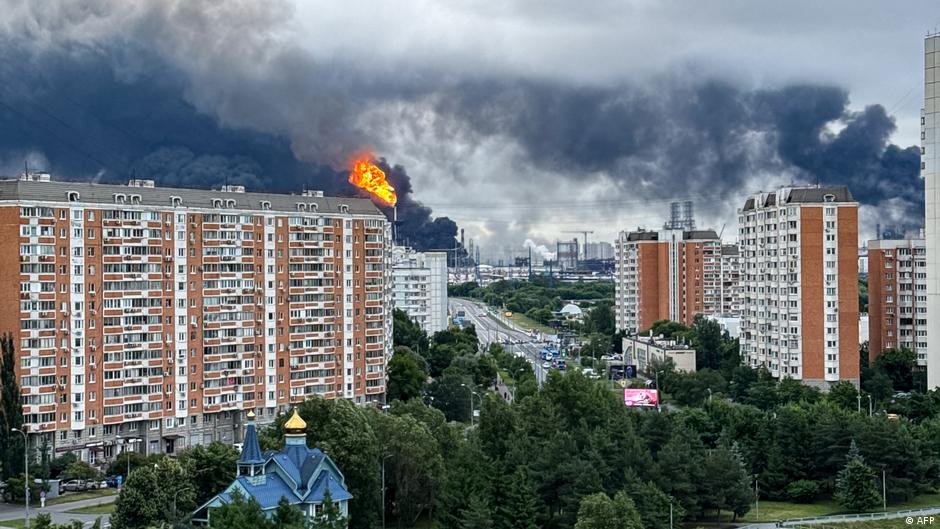
U.S. energy stocks and fuel-sensitive sectors are set to remain in focus after The Wall Street Journal reported that Ukraine had informally paused attacks on Russian oil refineries following weeks of pressure from President Donald Trump. The reported restraint could reduce one source of disruption in global refined-product markets ahead of the November 3 U.S. midterm elections.
According to the report, the pause began early last week, when relations between Kyiv and Washington were at their most strained. It is expected to last through the elections and could potentially continue for part of November. Ukraine has not officially announced a suspension, leaving investors to assess an arrangement that remains politically contingent and potentially reversible.
For Wall Street, the most direct read-through is to refiners including Valero Energy, Marathon Petroleum and Phillips 66, as well as integrated producers Exxon Mobil and Chevron and the broader Energy Select Sector SPDR Fund. Fewer attacks on Russian processing facilities could ease fears of tighter diesel and gasoline supplies. That may reduce support for refining margins while offering relief to industries exposed to fuel costs.
No stock-price changes or trading-volume figures were provided in the source report. Traders will therefore need to watch whether volume increases across refiners, integrated oil companies, airlines, transports and agricultural businesses as the market evaluates the duration and credibility of the pause.
Fuel Prices and the Midterm Election Trade
Trump has intensified pressure on Ukrainian President Volodymyr Zelensky in recent weeks, demanding an end to attacks on Russian refineries and blaming Ukraine for high global fuel prices. Energy experts cited in the report attributed elevated prices primarily to the U.S.-Israeli war against Iran.
Republican candidates were concerned that high fuel prices could damage their prospects in the November 3 elections. The report said Trump consequently eased sanctions affecting Russian diesel fuel in an attempt to reduce pressure on American farmers and other consumers.
That policy backdrop creates a possible sector-rotation trade. A decline in refined-product prices could weaken the near-term earnings outlook for refiners but improve sentiment toward airlines, freight operators, manufacturers and consumer companies whose costs are sensitive to diesel or jet fuel. Equity researchers would still need to distinguish a temporary election-related pause from a durable improvement in supply, particularly because Kyiv has retained the option to resume strikes.
Two anonymous U.S. officials said Jared Kushner, Trump’s son-in-law, joined an October 20 meeting in Oslo by video. The talks involved U.S. special envoy Steve Witkoff, Zelensky and European delegations. Kushner reportedly said that he and Witkoff were spending substantial time, energy and jet fuel negotiating with Moscow over terms for ending the war.
A 30-day pause in attacks on Russian refineries “could be a way for Ukraine to show its gratitude,” Kushner was reported as telling Zelensky.
The following day, Trump called SpaceX chief executive Elon Musk and asked him to restore Starlink satellite communications service for Ukraine. The report stressed that the Starlink issue and the refinery-strike pause were not connected.
Ukraine’s Leverage and Risks to the Market Thesis
Ukraine remains dependent on Starlink, U.S. intelligence data and interceptor missiles for Patriot air-defense systems. That reliance has left Kyiv vulnerable to U.S. pressure even after Trump, upon returning to the White House last year, ended most American military and financial assistance to Ukraine.
Heightened rhetoric between Trump and Zelensky, along with Starlink disruptions, also alarmed some of Kyiv’s most committed European supporters. One European official said European governments had advised Zelensky to halt refinery attacks until after the U.S. midterms.
In exchange for restraint, Zelensky said Kyiv wants greater protection for Ukraine’s energy infrastructure. Russia, meanwhile, continues to increase missile and drone attacks against Ukrainian energy facilities and cities, with a rising civilian death toll. That continuing escalation limits the confidence investors can place in a lasting reduction of geopolitical risk.
Two unnamed military officials said Ukrainian long-range strike units were told in mid-October that the refinery campaign was “effectively paused” once missions already under way were completed. Another source said Ukrainian Defense Minister Yevhen Khmara told Zelensky that the military had concluded it was preferable to refrain from refinery attacks because of the delicate diplomatic situation. Zelensky agreed but emphasized that forces could strike the facilities again if they considered it necessary.
Speaking to reporters in Kyiv on October 28, Zelensky said Ukrainian forces had tried to be more cautious in recent days but had received no order prohibiting refinery attacks.
For equity investors, that distinction is central. The reported pause may support short-term rotation away from refiners and toward fuel-consuming sectors, but its informal status argues against treating it as a structural change. Research desks will likely focus on refined-product margins, sanctions policy, Russian export flows and trading-volume confirmation before revising sector views.