US Lifts 50% Tariffs on Select Canadian Goods, Shifting Sector Focus
The October 30 tariff changes may redirect investor attention across packaging, forestry, coatings, appliances and consumer products.
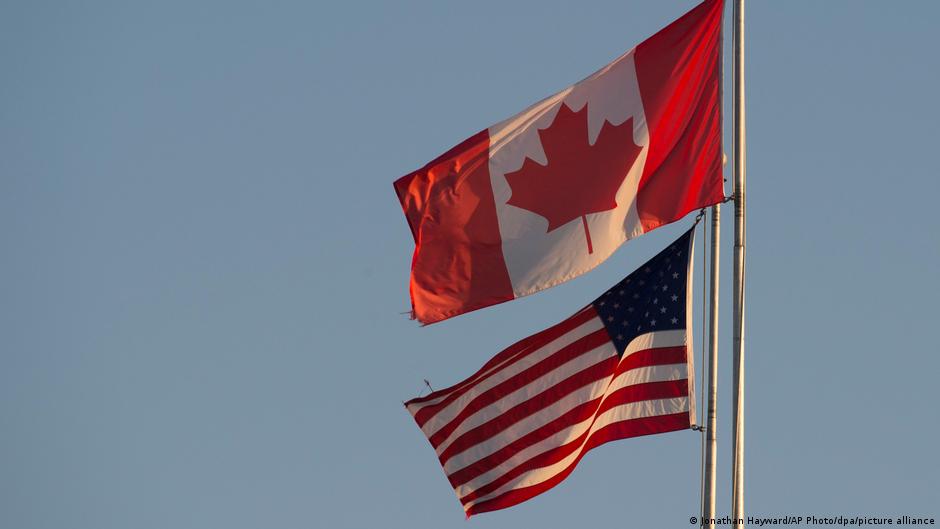
US President Donald Trump has ordered the removal of 50% customs duties on a selection of Canadian goods from October 30, while extending tariffs to other categories imported from the neighboring country. The recalibration leaves the broader US-Canada trade dispute unresolved but changes the immediate exposure of several industries followed by North American equity investors.
Trump signed the order on Friday, October 23. The products relieved of the elevated duties include plywood, certain paper products, machinery used by the pulp and paper industry, packing cases, cardboard boxes, and fresh and dried seaweed.
For Wall Street, the clearest initial read-through is for forestry, paper, packaging and industrial-equipment supply chains. Investors may examine Canadian producers such as West Fraser Timber and Canfor, alongside US packaging companies including International Paper and Packaging Corporation of America. The policy change does not establish how much any individual company imports, exports or pays in duties, so its earnings implications will depend on each business’s sourcing, product mix and contractual arrangements.
Tariff relief is offset by new product coverage
The White House simultaneously added other Canadian products to the tariff list in an effort to balance the move. Those categories include carpets, paints, shampoos, cocoa powder, wooden coffins, ice-pop sticks, air conditioners, freezers, archery goods and canoes.
That broader list creates a more mixed sector picture than the headline tariff reduction suggests. Shares of coatings producers such as Sherwin-Williams, consumer-products groups such as Procter & Gamble, and heating and cooling manufacturers such as Carrier Global and Lennox International may enter traders’ policy watchlists. However, the order alone does not indicate the companies’ direct Canadian exposure or whether additional costs can be passed through to customers.
The redistribution of tariffs could encourage short-term rotation within industrial and consumer shares rather than a uniform risk-on move. Paper and packaging businesses may be assessed for lower cross-border input costs, while companies connected to newly tariffed goods may face questions about sourcing and pricing. Homebuilding-related stocks could also draw attention because plywood and some climate-control equipment now sit on opposite sides of the tariff adjustment.
No company-level cost estimates, shipment figures or trading-volume data were provided with the announcement. As a result, unusually high turnover in exposed stocks would be more useful as a measure of investor positioning than as confirmation of a fundamental earnings change. Equity analysts will likely need customs classifications and corporate disclosures before revising forecasts.
Ottawa reviews the US decision
Canadian Intergovernmental Affairs Minister Dominic LeBlanc, who is also responsible for trade with the United States, said Ottawa was assessing Washington’s actions.
“Canada is prepared to work constructively and in good faith toward a more mutually beneficial trade relationship that takes Canadian interests into account,” LeBlanc said.
The response signals that negotiations remain possible, but it offers no timetable for a settlement or indication of whether Canada will alter its retaliatory measures. That uncertainty may keep a policy-risk discount attached to companies with substantial cross-border sales until the two governments provide greater clarity.
The dispute over the US-Canada trade arrangement and reciprocal tariffs of 50% has become one sign of worsening relations between Washington and Ottawa since Trump returned to the presidency. Trump has repeatedly spoken about the possibility of incorporating Canada into the United States as its 51st state, adding a political dimension to the commercial conflict.
Earlier restrictions keep trade risk elevated
At the end of September, the United States suspended imports of several Canadian products for an indefinite period. The affected goods included alcoholic beverages, beer, sparkling wine, whey, certain dairy products and motorcycles. Washington acted after Ottawa decided to respond in kind to higher US customs duties introduced in August.
Those earlier restrictions mean the October 30 changes should not be interpreted as a comprehensive normalization of trade. Beverage, dairy and motorcycle companies remain part of a separate layer of uncertainty, while the new tariff map spreads potential exposure across additional consumer and industrial categories.
From an equity-research perspective, the principal task is to distinguish direct customs exposure from broader sentiment. Analysts will be watching whether affected companies disclose changes to procurement, inventories, pricing or capital spending. Investors may also compare trading volumes across Canadian exporters, US domestic competitors and downstream buyers to determine whether the market views the order primarily as cost relief, protection from imports or another stage in a continuing trade confrontation.