Ukraine Talks Outlook Puts Defense and Energy Stocks in Focus
Reports of possible US-Ukraine-Russia talks in Abu Dhabi or Switzerland could sharpen Wall Street’s focus on geopolitical risk.

A possible new round of talks involving the United States, Ukraine and Russia is putting geopolitical risk back on Wall Street’s agenda, with defense, energy and other conflict-sensitive stocks likely to draw particular attention. Reuters reported that delegations could meet within weeks in Abu Dhabi, the capital of the United Arab Emirates, or in Switzerland.
The report, published Friday, Oct. 23, cited government sources who requested anonymity. The proposed discussions would address efforts to end Russia’s war against Ukraine, although it remains unclear whether representatives of Ukraine and Russia would negotiate directly or communicate through US mediation.
A Washington representative said the ultimate purpose of the possible talks would be to prepare a meeting at the highest political level. For equity investors, that distinction is important: technical negotiations may influence short-term sentiment and trading volumes, but a leaders’ summit would carry greater potential to alter expectations for defense spending, sanctions, commodity flows and European economic activity.
Defense and energy shares face headline sensitivity
Any credible movement toward a settlement could encourage a tactical rotation away from companies that have benefited from elevated defense demand and geopolitical uncertainty. Conversely, another inconclusive round could reinforce the market’s assumption that European rearmament and military procurement will remain long-term themes.
The same headline sensitivity applies to energy producers and oilfield-service companies. Traders will assess whether diplomatic progress could eventually affect sanctions or expectations for Russian energy exports. The reported meetings, however, remain preliminary, and the source article provides no indication of an agreed ceasefire, sanctions relief or changes to commodity supplies.
That makes trading volumes and intraday price moves potentially more informative than broad index performance when new details emerge. Defense contractors, European industrial companies, airlines and energy shares may react differently depending on whether investors interpret the talks as substantive diplomacy or another procedural step. Banks and construction-related companies with European exposure could also enter the rotation debate if negotiations begin to support a longer-term reconstruction scenario.
Equity research desks are therefore likely to distinguish between an event-driven sentiment shift and a change to earnings forecasts. Without a ceasefire framework or enforceable agreement, analysts would have limited grounds to revise revenue assumptions, capital-spending projections or valuation models solely because another negotiating round has been scheduled.
Kyiv describes a technical step toward leaders’ talks
Ukrainian President Volodymyr Zelensky said on Oct. 23 that an agreement had been reached to hold a trilateral meeting involving Ukraine, the United States and Russia at the level of negotiating teams. He said the meeting was planned for the first half of November and emphasized that Kyiv was prepared to meet sooner.
“We are ready to meet on any day — even tomorrow. But everything depends on the Russians,” Zelensky said by video link to the Hudson Institute, a conservative US think tank.
Zelensky characterized the negotiating-team meeting as technical and said the process needed to advance to a gathering of national leaders because the central issues could be resolved only at that level.
Shortly before his statement, the Kremlin said the trilateral discussions would take place in Abu Dhabi during the first half of November. Kremlin spokesman Dmitry Peskov said the talks would address the security of Russia and Ukraine after the war ends. According to Peskov, representatives of the European Union would not participate.
The difference between Reuters’ account, which identified Abu Dhabi or Switzerland as possible venues, and the Kremlin’s statement naming Abu Dhabi leaves some logistical uncertainty. Markets may therefore treat confirmation of the location, participants and negotiating format as the next relevant signals rather than viewing the initial reports as evidence of an imminent breakthrough.
Previous Abu Dhabi rounds produced no breakthrough
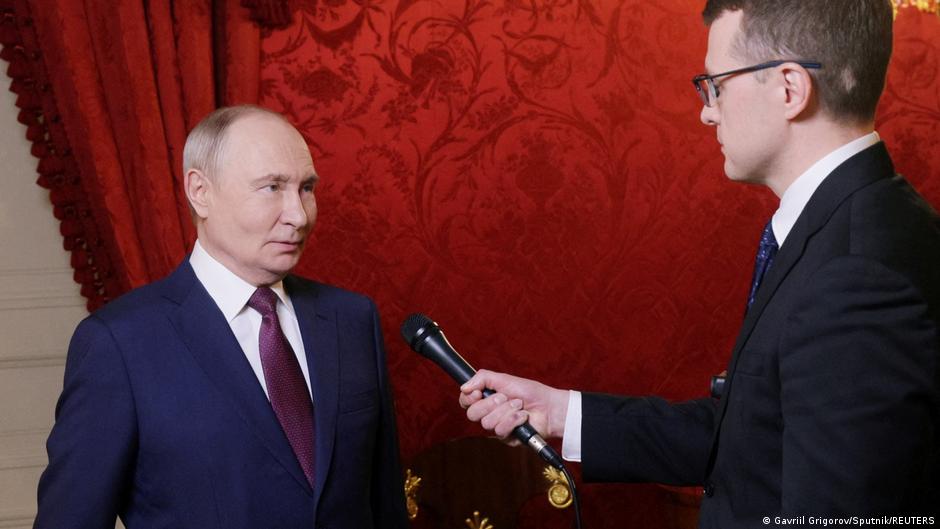
The diplomatic activity follows Russian President Vladimir Putin’s meeting in St. Petersburg with US presidential envoy Steven Witkoff two days earlier. After that meeting, Russian presidential aide Yuri Ushakov said Moscow was ready to resume trilateral talks with the United States and Ukraine.
The three countries’ delegations have already held two rounds of closed-door negotiations in Abu Dhabi. The first took place on Jan. 23-24 and the second on Feb. 4-5. Neither round produced a breakthrough toward ending the war in Ukraine.
That history supports a cautious equity-market interpretation. Portfolio managers may use fresh diplomatic headlines to adjust short-term exposure, but the lack of progress in the earlier meetings argues against immediately changing the fundamental outlook for defense orders, sanctions-sensitive businesses or energy markets.
For Wall Street, the clearest catalysts would be confirmation of direct Russia-Ukraine engagement, agreement on a leaders’ meeting, or concrete proposals covering security arrangements after the war. Until then, the talks are more likely to generate sector-level volatility and bursts of trading activity than a durable repricing of the broader US equity market.